TRENDING TAGS :
28 Crore Jan Dhan Accounts: How Women Are Changing India’s Economy
Over 28 crore Jan Dhan accounts are now held by women in India, boosting financial independence and helping millions become entrepreneurs and “Lakhpati Didis”.

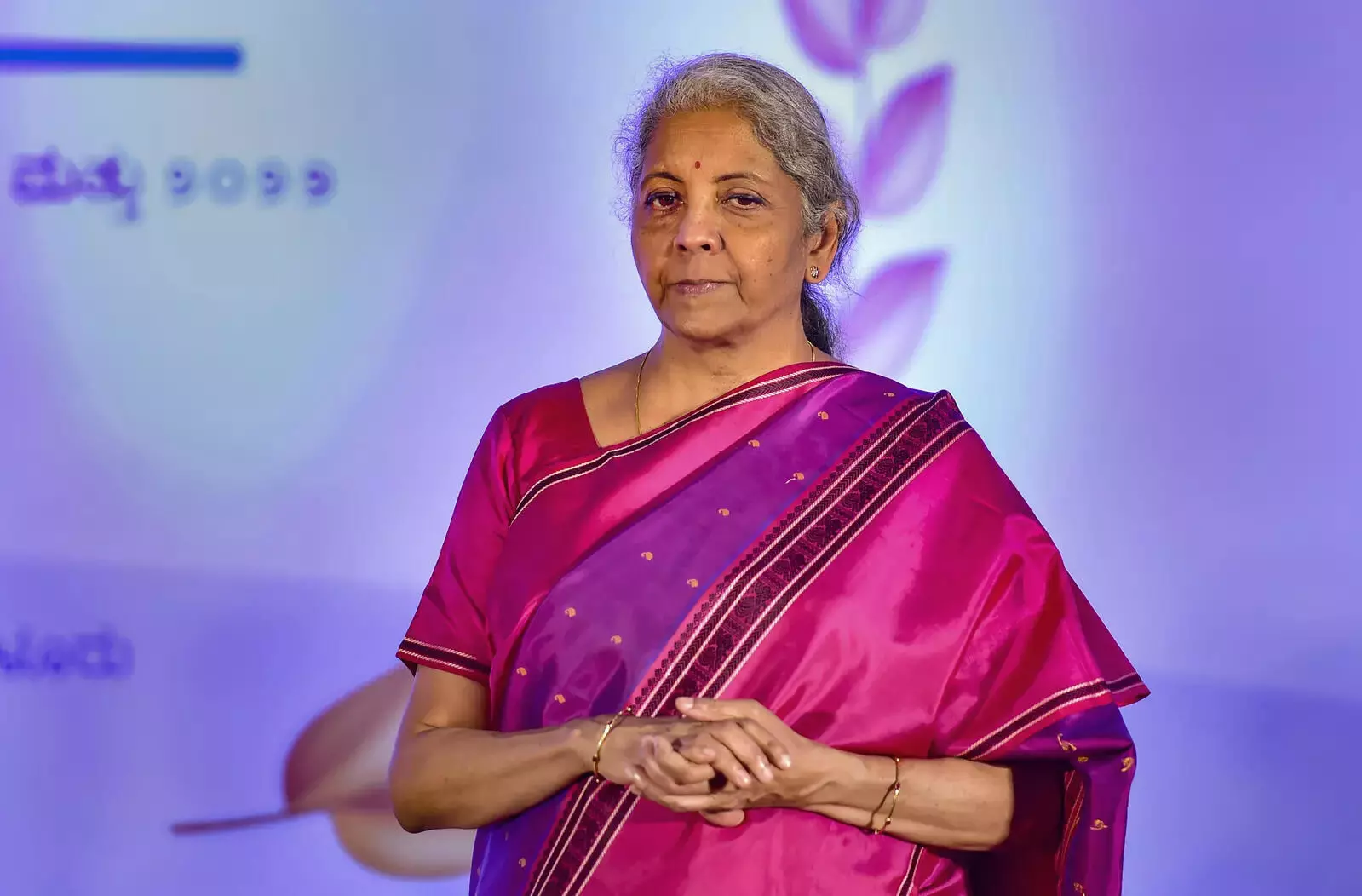
India’s financial landscape is changing fast, and women are a big reason for that shift. According to Finance Minister Nirmala Sitharaman, more than 28 crore bank accounts under the Jan Dhan scheme are now held by women. That number tells a simple story. When women get access to banking and money services, they gain real financial independence and start shaping the economy around them.
Why Jan Dhan Accounts Matter For Women
For many years, millions of women in India had no bank accounts. Money usually stayed under control of other family members. Savings existed, yes, but often it was informal or hidden at home.
Things began to change when the government launched the Pradhan Mantri Jan Dhan Yojana.
This scheme made it easy for people to open bank accounts even with very little paperwork. Zero balance accounts became possible. Suddenly, women across villages and towns started entering the formal banking system.
Today over 28 crore women hold Jan Dhan accounts.
That is not just a statistic. It means millions of women now receive benefits, savings, and payments directly into their own bank accounts.
Financial Access Means Real Independence
Finance Minister Sitharaman explained a simple truth. When women gain financial access, they gain independence.
A personal bank account may look like a small thing. But for many households it changes daily life.
Government welfare money goes straight to the woman’s account. Savings become safer. Digital payments also become easier.
It also builds confidence.
A woman who controls her own money starts making decisions. She saves more, invests carefully, and supports her children’s education better.
Small changes like this slowly transform families and communities.
Rise Of The “Lakhpati Didis”
Another powerful trend highlighted by the government is the rise of “Lakhpati Didis”.
The term refers to rural women who earn more than one lakh rupees annually through businesses or self-help group activities.
According to official data, more than three crore women have already reached this milestone.
These women are farmers, small manufacturers, food processors, tailors, artisans and small entrepreneurs. Their businesses may be small in scale but their impact is huge.
Income earned by these women improves entire households.
Children stay longer in school. Nutrition improves. Families build savings and security.
Self Help Groups Powering Rural Women
Many of these successful women belong to self help groups.
Self help groups allow women to pool savings and offer small loans to each other. The system works surprisingly well because members trust one another.
Through these groups women start micro businesses. Some sell homemade products. Others start tailoring units, dairy farming, or small shops.
With time many women scale up their work.
Crossing one lakh annual income may sound modest for big cities, but in many rural areas it marks a huge step forward.
That is how the term Lakhpati Didi became popular.
Women Becoming Wealth Creators
In her message, Sitharaman emphasised that women are not just participants in the economy anymore.
They are becoming wealth creators.
This shift is important. For decades economic discussions mostly focused on men’s employment or industries dominated by men.
But today millions of women are building businesses, managing finances, and contributing directly to economic growth.
Even small businesses run by women add strength to the local economy.
Multiply that impact across thousands of villages and the national picture changes quickly.
Government Focus On Women Empowerment
Union Minister Piyush Goyal also praised the role women are playing in building modern India.
According to him, empowering women is not just social policy. It is also economic strategy.
Under the leadership of Narendra Modi, the government has pushed several initiatives to expand opportunities for women.
These include financial inclusion programs, entrepreneurship support, and rural development schemes.
The goal is clear. Create an environment where women can grow, work, and lead.
Women Driving Change Across Sectors
Women in India today are active across almost every sector.
Entrepreneurship is one example. Thousands of women now run startups, small businesses, and cooperatives.
But their presence is visible in many other areas too.
Women are excelling in sports, science, defence services, education, and technology fields.
Rural development programs also see strong participation from women groups.
This growing visibility is slowly changing how society views women’s role in economic life.
Why Financial Inclusion Is So Powerful
Financial inclusion may sound like a technical policy term. In reality it means something very simple.
It means everyone gets access to basic financial services.
For women this access opens doors that were earlier closed.
With a bank account, women can receive loans, savings plans, insurance and government benefits. Digital payments allow them to participate in the modern economy.
More importantly, they gain financial identity.
This identity often leads to greater confidence and social respect.
A Quiet Economic Revolution
What is happening across India right now feels like a quiet revolution.
Millions of women who once had limited financial control now manage bank accounts, run businesses and support family income.
Their contribution may not always make headlines, but the impact is visible everywhere.
From villages to cities, women are steadily strengthening India’s economic future.
And when more women gain financial power, the benefits rarely stay limited to individuals.
Entire families rise together. Communities become stronger. The economy grows from the ground up.