Supreme Court Refuses Mandatory Menstrual Leave Plea: Here’s Why
The Supreme Court declined a plea seeking mandatory menstrual leave for women across India, saying such policies should be decided by the government after wider consultation.

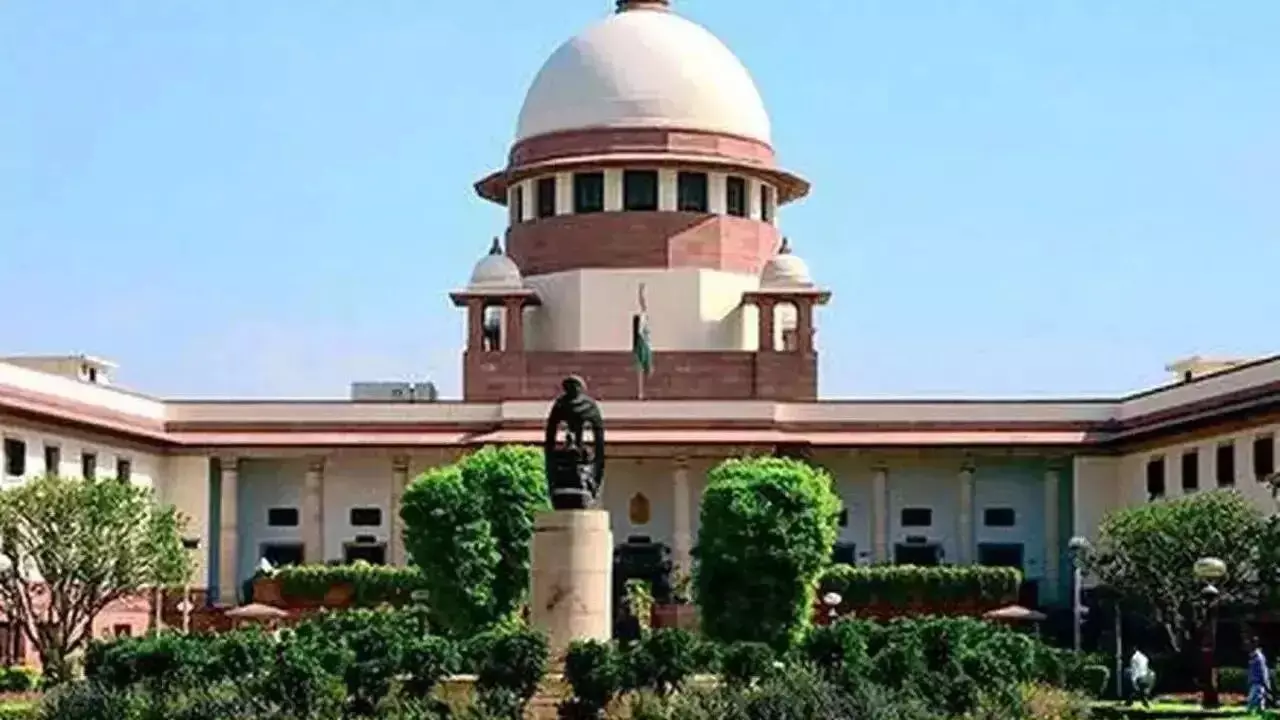
The Supreme Court of India has refused to entertain a plea seeking mandatory menstrual leave for women employees and female students across the country. The court said such a policy should be decided by the government, not the judiciary. Judges also warned that forcing companies to give menstrual leave by law might unintentionally affect women’s job opportunities.
Why the Supreme Court Declined the Petition
The case was heard by a bench led by Chief Justice of India Surya Kant along with Justice Joymalya Bagchi. The petitioner wanted the court to order the government to introduce a nationwide policy giving women at least two days of menstrual leave every month.
However, the court felt that such decisions belong to the policy domain of the government. Judges explained that government departments must study the issue carefully before making any nationwide rule.
According to the bench, courts cannot easily step in and create employment policies for the entire country. These matters require discussions with different stakeholders such as employers, employees, state governments, and health experts.
So instead of giving directions, the court suggested the government can examine the issue and decide if a policy should exist.
Concerns About Impact on Women’s Jobs
One major concern raised by the court was the possible impact on women’s employment. The judges said that if menstrual leave becomes a legal requirement, some employers might hesitate to hire women.
This hesitation could appear in both government jobs and private sectors. The court pointed out that policies meant to support women should not accidentally create barriers in their careers.
The judges also mentioned that mandatory menstrual leave might create a perception that women are physically weaker. Such a perception, they said, may not help women’s equality at workplaces.
It was an interesting point honestly. A rule meant to support women might create the opposite effect in hiring decisions.
Voluntary Policies Still Encouraged
While rejecting a mandatory rule, the Supreme Court said voluntary policies introduced by companies or institutions are welcome. If employers choose to offer menstrual leave on their own, it can be a positive step.
Several organisations in India already follow such practices. Some private companies have introduced menstrual leave for female employees as part of workplace welfare programmes.
During the hearing, the petitioner’s lawyer also mentioned that certain states and institutions have already taken steps in this direction. Kerala, for example, has allowed menstrual leave relaxation for female students in schools.
These examples show that organisations can implement such policies based on their internal decisions.
Earlier Court Observations on the Issue
This is not the first time the Supreme Court has addressed the topic. A similar petition was discussed in July 2024 as well.
At that time, a bench led by former Chief Justice D.Y. Chandrachud had also asked the central government to examine the feasibility of menstrual leave policies. The court had again stated that such issues are better handled through government policy rather than judicial orders.
The reasoning remained almost the same. Courts must be careful when making decisions that affect employment and labour systems across the country.
A Debate That Will Continue
Menstrual leave remains a topic of strong debate in India and around the world. Some people believe such leave is necessary to support women’s health and comfort. Others argue that mandatory leave policies may create unintended challenges in workplaces.
For now, the Supreme Court has made one thing clear. The matter should be decided by the government after proper consultation and research.
Whether India eventually adopts a national menstrual leave policy, well that remains to be seen. The discussion is definitely not ending anytime soon.