TRENDING TAGS :
UGC Equity Rules Trigger Student Split After Supreme Court Stay
Student groups across India are divided over the UGC 2026 equity rules as the Supreme Court stays the order, raising fresh debates on fairness, caste, and campus rights.

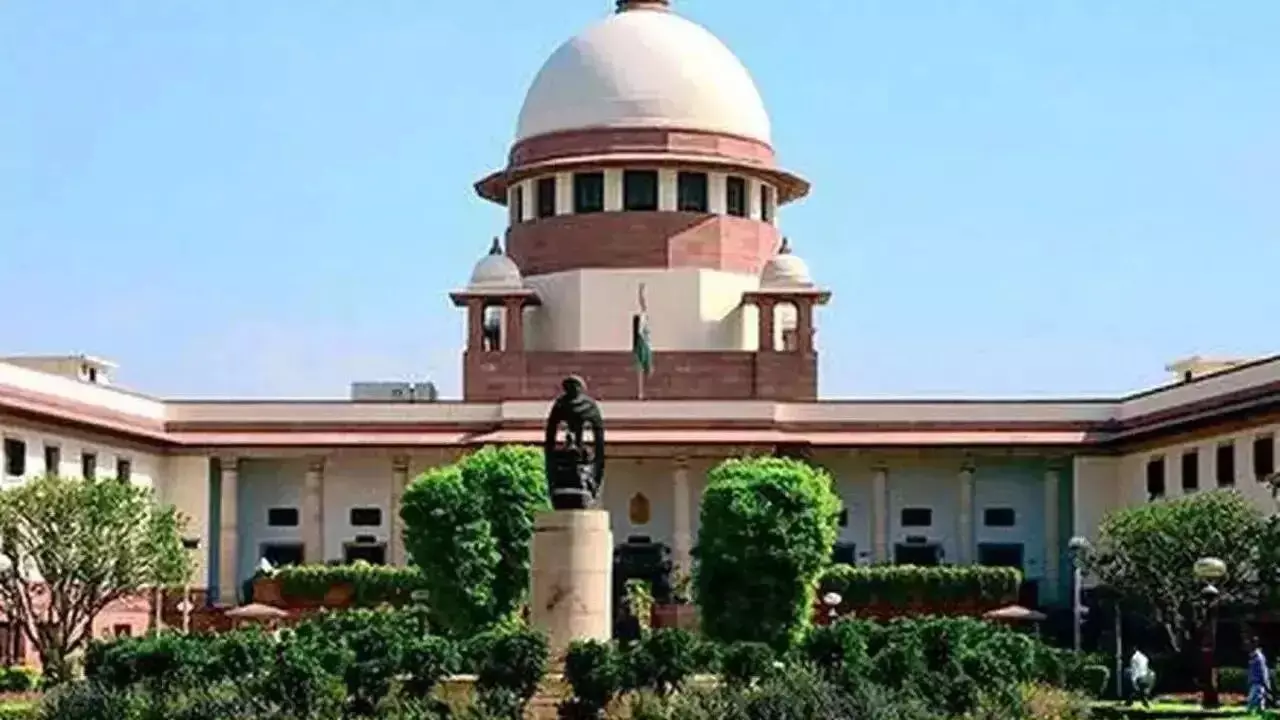
Supreme Court (PC- Social Media)
Student groups across India are split over the UGC 2026 equity rules, and the Supreme Court stay has paused them for now. Some students feel the rules protect against caste bias. Others say the rules are unfair and risky. This divide is now visible on many campuses.
The University Grants Commission introduced the Promotion of Equity in Higher Education Institutions Regulations, 2026 to stop caste-based discrimination. The aim sounded clear. But once the rules came out, reactions turned sharp. Support and anger both grew at the same time, which is rare yet telling.
Why Students Are Protesting
Many student organisations, especially in Uttar Pradesh, called the regulations a black law. Protests broke out in cities like Lucknow. Students argued the rules give too much unchecked power to committees. They fear false complaints can ruin careers without strong safeguards.
Some protesters believe the regulations may increase caste tension instead of reducing it. They say students will be seen first by category, not merit. This fear pushed groups like Chhatra Panchayat to the streets, demanding a full rollback.
Why Some Students Support the Rules
On the other side, several student bodies welcomed the regulations. They see them as long overdue. According to them, caste discrimination still exists quietly on campuses. Many cases never get reported due to fear or pressure.
Supporters feel these rules create a system where complaints are taken seriously. They believe equality cannot wait anymore. Still, even among supporters, there are doubts. Some say the rules are vague and equality committees lack proper SC, ST, OBC, and women representation.
Supreme Court Steps In
The Supreme Court stayed the 2026 regulations, calling them vague and capable of creating serious future problems. The court restored the 2012 rules for now. This decision brought relief to protesting students.
In Lucknow and other cities, students celebrated the stay as a victory. They said their concerns were finally heard. The stay does not cancel the rules forever, but it stops them until clarity improves.
Political Voices Add Fuel
Student politics quickly entered the debate. The Akhil Bharatiya Vidyarthi Parishad welcomed the stay. They asked for clearer rules that do not divide students. Other groups raised concerns about general category students being unfairly targeted.
Political backing has made the issue louder. What began as a policy discussion now feels like a campus-wide ideological fight.
What This Means Going Forward
The split shows how sensitive education reforms are in India. Equity is needed, but clarity matters too. Rules that feel rushed or unclear invite resistance.
For now, campuses return to older regulations. But the debate is far from over. Students want fairness. They also want trust. Any future policy will need both, or the divide will only grow wider.