TRENDING TAGS :
The Paparazzi Brotherhood: A World Behind the Camera Where One Click Makes a Star
Explore the hidden world of paparazzi in India their work, controversies, rising influence, challenges, and how one click shapes celebrity culture and public perception.

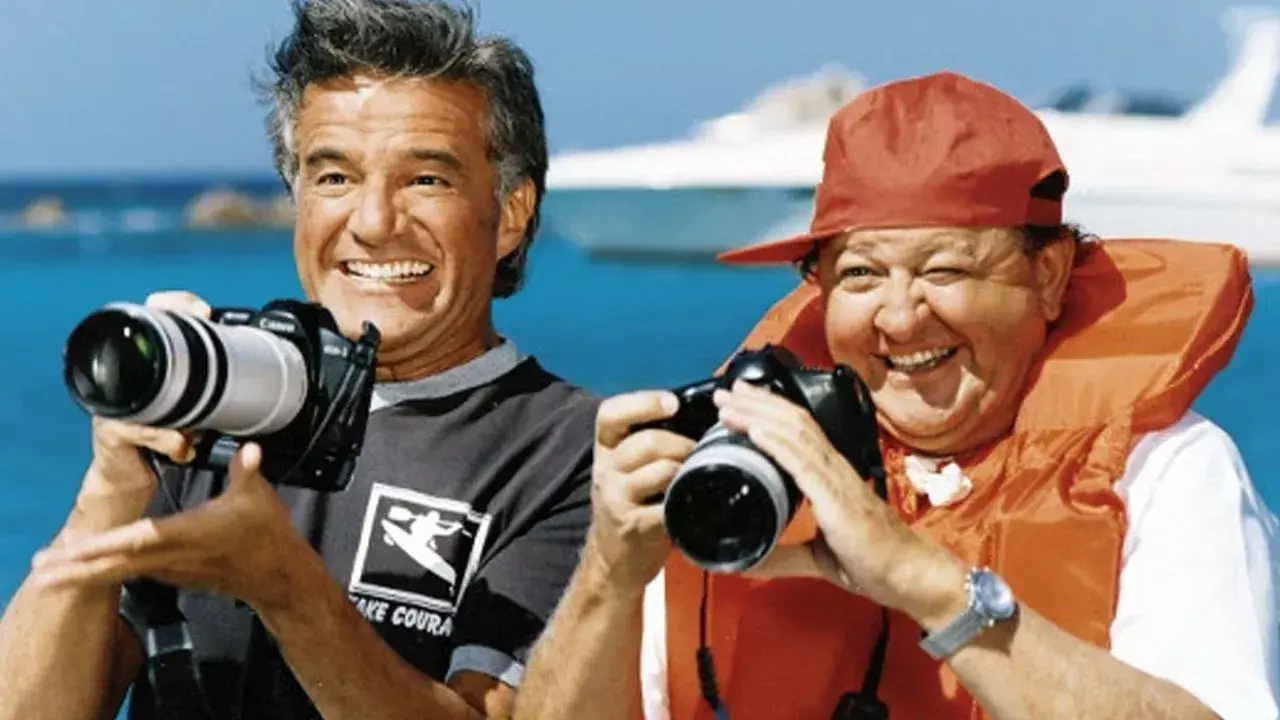
The Paparazzi Brotherhood (PC- Social Media)
Recently, Rajya Sabha MP and veteran actress Jaya Bachchan made a sharp remark about the paparazzi fraternity, saying— “They sneak in like rats, wearing dirty pants and holding mobile phones.” Her comment instantly ignited a debate across Bollywood and social media. Some saw her statement as a justified complaint about privacy intrusion, while others felt it demeaned an entire profession built on relentless hard work.
But this controversy raises a deeper and far more intriguing question— Who exactly are the paparazzi? How do they work? And why has this fraternity become such a powerful force in modern popular culture?
The glamour of the entertainment world appears dazzling on the surface, but beneath this glitter lies another world—equally fascinating, equally controversial. This is the world of the paparazzi—where a camera is not just a device but a weapon of opportunity, where every click carries a story, a struggle, a chase, and sometimes even danger.
We often see film stars more at airports, gyms, cafés, and outside studios through paparazzi lenses than on the big screen itself. These photographers offer the public an unfiltered window into a celebrity’s everyday life—sometimes accidental, sometimes intentional, and sometimes entirely orchestrated.
In essence, the paparazzi fraternity represents a world where one click can make headlines, and one frame can blur ethical boundaries.
The Fascinating Origin of the Word “Paparazzi”
The term “paparazzi” comes from the 1960 Italian film La Dolce Vita, featuring a photographer named ‘Paparazzo.’ He was fast, restless, inquisitive, and always chasing the perfect shot. This character became the archetype for real-world paparazzi— quick, alert, persistent, and forever hunting for that one exclusive moment.
The Rise of Paparazzi Culture in India
In the last decade, paparazzi culture in India has grown into a social phenomenon. Mumbai airport has virtually become a permanent red-carpet stage, where celebrities get photographed not during film events but simply while arriving or departing.
The moment a celebrity steps out of their car, a shower of camera flashes follows. Within seconds, their pictures travel across millions of screens on social media.
Interestingly, many celebrities today see paparazzi as an essential part of their publicity ecosystem. Whether a film is about to release or a brand is being launched, no promotional strategy feels complete without the paparazzi buzz.
Behind Every Photo Lies a Massive Network
Paparazzi work is not merely about taking pictures—it is powered by a full-fledged informal information network.
Their sources include: • Hotel staff • Airport employees • Gym trainers • Makeup artists • Studio managers • Café owners • Location coordinators
One small tip from any of these, and within minutes, photographers gather at the spot—ready, alert, and with their cameras set to rapid-fire mode.
Their daily job is often harder than a celebrity’s schedule— sun, rain, traffic, crowds—nothing stops them from pursuing that one perfect shot that could change their entire month.
The Price of an Exclusive Photograph
• ₹500 for a basic image • Up to ₹5,00,000 for a sensational or exclusive shot Some rare photos even get sold to international media for higher prices.
Controversies and the Debate on Privacy
As intriguing as this world is, it is also filled with controversies.
Paparazzi face frequent accusations— • invading privacy • chasing and stalking celebrities • capturing uncomfortable or sensitive moments
In Hollywood, extreme paparazzi chasing has even led to tragic accidents. In India, though the situation is less intense, debates continue:
Does the pursuit of glamour justify compromising someone’s privacy? Does being a public figure make a celebrity “public property”? Or Are paparazzi simply revealing what society itself is eager to see?
Why the Paparazzi Are Becoming Even More Important
Half of entertainment journalism thrives on paparazzi content.
Their photographs— • create hype for new films • spark social media trends • set fashion standards • boost celebrity popularity • humanize stars in the public eye
In today’s world, paparazzi images act like an unscripted reality show. Even celebrity children such as Taimur and AbRam became household names because of paparazzi cameras.
The Future of the Paparazzi Fraternity
With AI cameras, OTT platforms, vlogging culture, and social media explosion, one would assume paparazzi might become less relevant. But the opposite is happening— their role is expanding rapidly.
People want: • instant content • raw, unfiltered updates • real-life glimpses of public figures
Celebrities too are becoming increasingly paparazzi-friendly, understanding how much visibility boosts their brand value.
Paparazzi Are Not Just Photographers—They Are a Cultural Phenomenon
They represent the public’s collective curiosity— the desire to see stars up close, beyond the scripted glamour of cinema.
The paparazzi open that window for society— sometimes gently, sometimes intrusively, sometimes dramatically.
And perhaps this is why, despite constant criticism or controversy, the paparazzi world will never disappear—because as long as stars shine, someone will always be standing behind the camera.