
TRENDING TAGS :
JP Nadda Launches Indigenous Td Vaccine: Big Boost To India’s Immunisation Drive
JP Nadda launches indigenous tetanus and diphtheria (Td) vaccine at CRI Kasauli, strengthening India’s Universal Immunisation Programme and boosting Atmanirbhar Bharat in healthcare.

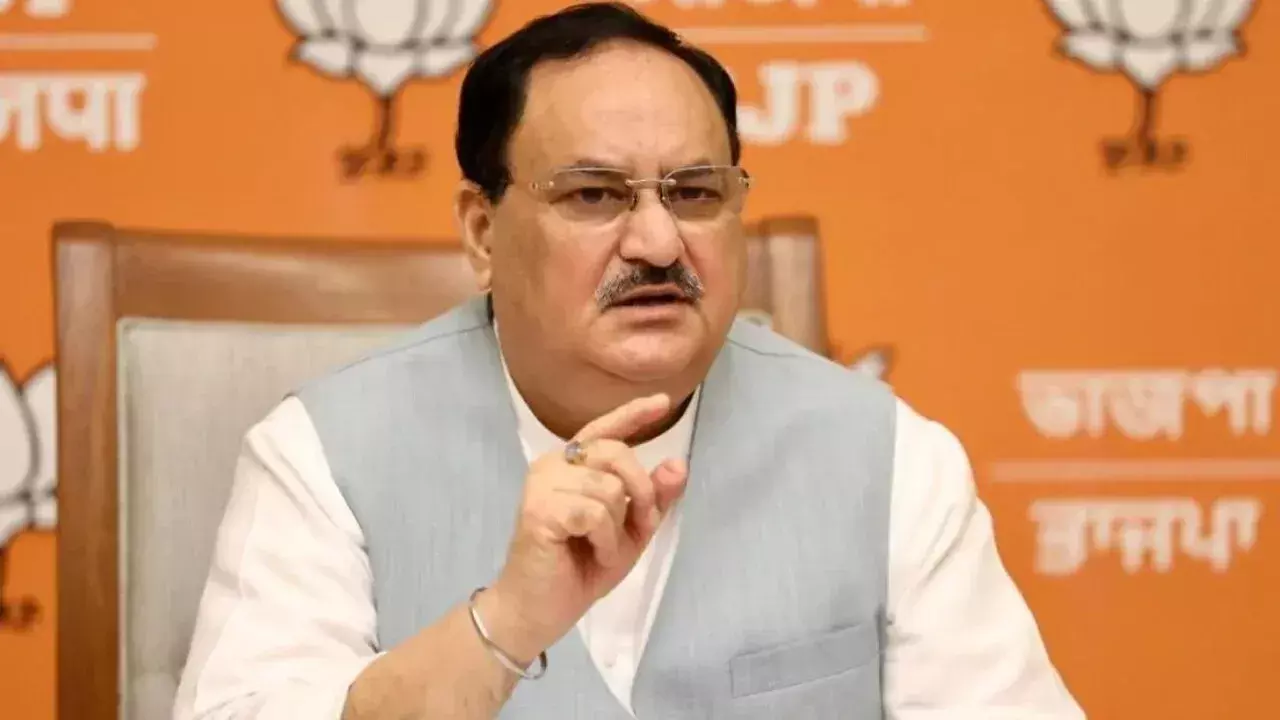
JP Nadda (PC- Social Media)
Union Health Minister JP Nadda has launched the indigenously developed tetanus and adult diphtheria (Td) vaccine at the Central Research Institute in Kasauli, Himachal Pradesh. The vaccine is now officially included under India’s Universal Immunisation Programme. CRI will supply 55 lakh doses by April, with production increasing in coming years. This move strengthens India’s public health security and pushes self-reliance in vaccine manufacturing.
Historic Launch At Kasauli
The launch took place at the Central Research Institute in Kasauli. It was described as a proud and historic moment. The Td vaccine, now made in India, will directly support the Universal Immunisation Programme.
JP Nadda congratulated scientists, technical teams, and staff at CRI. He said this achievement shows India’s growing strength in health innovation. It is not just about one vaccine. It is about national capability.
The institute will initially supply 55 lakh doses to the programme by April. Production will gradually increase. This ensures consistent availability across the country.
Strengthening Universal Immunisation Programme
India’s Universal Immunisation Programme is the largest in the world. It currently offers 11 vaccines protecting against 12 diseases. The addition of the Td vaccine makes the system stronger.
Every year, nearly 2 to 2.5 crore children are born in India. Around the same number of women become pregnant annually. Together, the annual immunisation cohort reaches close to 5 crore beneficiaries.
From pregnancy registration, mothers are tracked digitally through the U-WIN platform. The government ensures five antenatal checkups, including one specialist visit. Immunisation continues for children until they turn 16. In total, 27 doses are covered under the programme.
Due to systematic tracking, vaccine coverage has reached nearly 99 percent. That number speaks for itself.
Atmanirbhar Bharat In Healthcare
Nadda said this launch is a strong step towards Atmanirbhar Bharat in health and medicine. The goal is clear. Reduce dependency. Build local capacity. Strengthen public institutions.
India is already known as the pharmacy of the world. It ranks among the top vaccine producers globally. Achieving WHO Maturity Level 3 in regulatory systems further shows that India’s vaccine standards are robust and trusted.
Public sector institutions like CRI have played a major role. CRI is also the first government institute to manufacture vaccines under Good Manufacturing Practices standards. That reflects modernisation and quality assurance.
From Long Timelines To Rapid Innovation
Historically, vaccine development took decades. Tetanus vaccines took years globally. Tuberculosis medicines evolved over almost 30 years. Japanese Encephalitis vaccines required nearly a century of effort.
But during COVID-19, India developed two indigenous vaccines within nine months. Over 220 crore doses were administered, including boosters. Digital vaccination certificates were delivered seamlessly.
This shift proves India can respond fast when required. Systems have matured.
Vaccine Maitri And Global Role
India’s contribution did not stop at home. Under the Vaccine Maitri initiative, vaccines were supplied to nearly 100 countries. Out of these, 48 received vaccines free of cost.
This strengthened India’s global image as a responsible health partner. Institutions like CRI supported both domestic and international needs. Public sector capacity truly matters.
Why Td Vaccine Matters
Tetanus and diphtheria remain serious infections if not prevented. Adults and adolescents require Td vaccination to maintain immunity. Including it in the Universal Immunisation Programme ensures wider protection.
With large population numbers, even small gaps can create risk. This addition reduces that risk.
The launch is practical, not symbolic. It ensures stable supply. It supports public hospitals. It protects millions.
India’s health infrastructure continues to grow step by step. This is one more step. Quiet but powerful.


