TRENDING TAGS :
LPG Gas Shortage in India: Why Restaurants and Food Apps Are Struggling
LPG gas cylinder shortage in India explained. Know why LPG supply is affected, how it impacts restaurants, food delivery apps, and what the government is doing to stabilise gas supply.

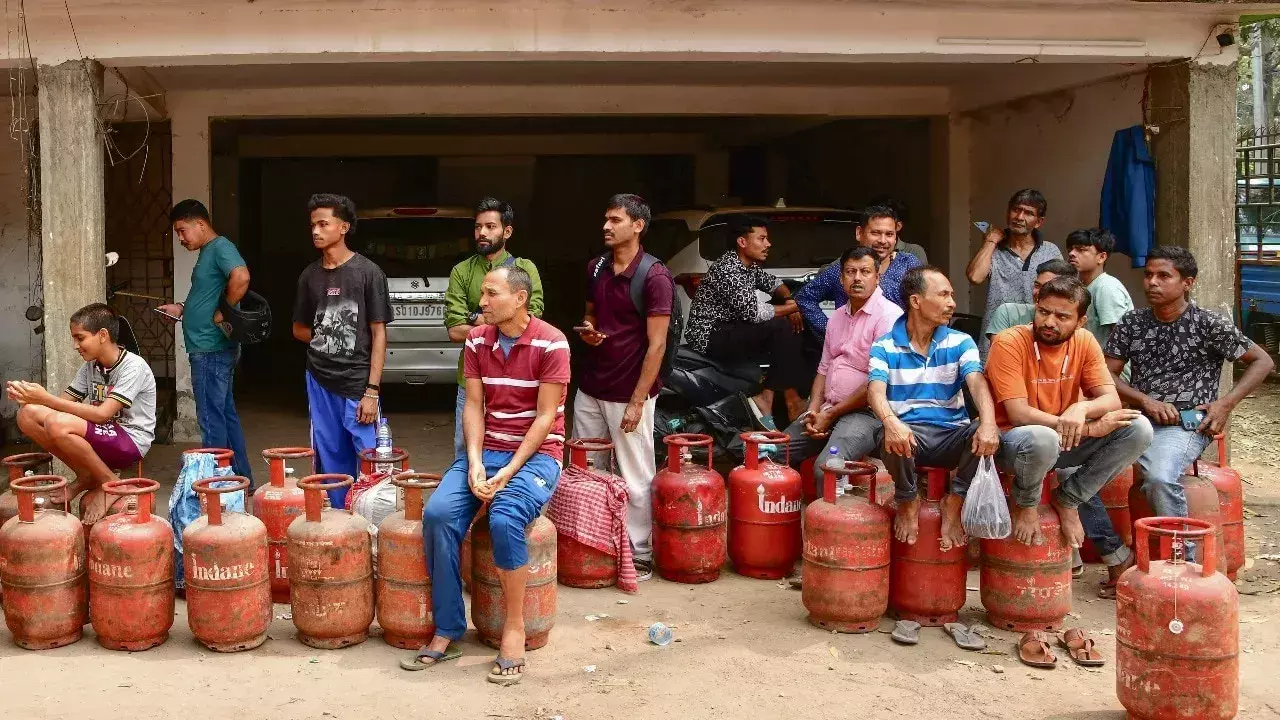
LPG gas cylinder (PC- Social Media)
India is currently facing a sudden LPG gas shortage in some cities, and it is already affecting daily life. Food delivery apps like Zomato and Swiggy are seeing around 50–60% orders getting disturbed because many restaurants don’t have enough cooking gas. The problem started after global fuel supply disruptions linked to the West Asia conflict. Government now trying hard to stabilise supply so homes don’t suffer.
Why LPG Shortage Happened Suddenly
The shortage did not come from nowhere. A lot of it connects to the global energy market. LPG supply chains depend heavily on crude oil movement across international routes. One very important route is the Strait of Hormuz. When tensions increase in West Asia, fuel shipments through this route slow down.
India imports a large part of its energy needs. So when shipments delay, the impact comes quickly inside the country. Cylinders start reaching distribution centres late. People panic little bit, and suddenly queues become longer outside gas agencies.
Some cities already reporting refill delays. Restaurants and small businesses felt the problem first because they depend on commercial LPG cylinders every day.
Food Delivery Apps Hit Hard
The LPG shortage has started affecting the online food delivery industry. Restaurants cannot cook normally if cylinders are not available. Because of this, many food outlets reduced menu items or paused orders.
Gig worker unions claim nearly half of food delivery orders are being impacted. Delivery workers depend on daily orders for income. When restaurants shut temporarily, workers also lose earnings. That is why unions have asked companies like Zomato and Swiggy to provide temporary relief to affected workers.
In some cities, eateries even thinking about shifting to induction cooking, but that change takes time and equipment.
Government Action to Control the Crisis
The central government has stepped in to avoid a bigger problem. LPG and CNG have now been placed under priority monitoring under the Essential Commodities Act. This basically means the government will watch supply carefully and stop hoarding.
Officials also increased domestic LPG production by around 25%. The extra gas being sent mainly to household consumers. The idea is simple. Homes must get cooking gas first.
Authorities also divided gas supply into priority sectors so distribution stays balanced.
Gas Supply Priority System in India
| Sector Category | Supply Allocation | Purpose |
|---|---|---|
| Household LPG, PNG homes, CNG transport | 100% supply | Essential daily use |
| Fertiliser plants | Around 70% supply | Maintain agriculture production |
| Industries connected to gas grid | Around 80% supply | Keep factories running |
| Commercial sectors like restaurants | Limited supply | Non-essential priority |
This temporary system helps protect household cooking needs while supply chains stabilise.
Restaurants and Small Businesses Feeling Pressure
Restaurants are among the worst affected sectors right now. Commercial LPG cylinders power kitchens in thousands of food businesses across India. When cylinders become hard to find, operations slow down quickly.
In Delhi, some restaurants already closed temporarily because they couldn’t get new cylinders. Restaurant owners also say piped natural gas supply has been cut by nearly 20% in some areas. That makes things even tougher.
Small eateries, tea stalls, and PG accommodations also facing issues. Some hostels have started limiting meals for residents until supply improves.
Will LPG Supply Normalise Soon
Experts say the situation may stabilise once fuel shipments resume normally and supply chains adjust. Government increasing domestic production is already helping reduce pressure.
For now, officials are asking people not to panic buy cylinders. Household supply remains the top priority. If global fuel routes stabilise, the shortage should slowly disappear over the coming weeks.
Energy markets move fast. One small disruption abroad sometimes travels all the way to someone’s kitchen. Right now India managing that shock, but things look under control if supply holds steady.