TRENDING TAGS :
Refurbished Medical Devices Policy Sparks Safety, Innovation Concerns
Manufacturers argue that the decision contradicts India’s “Make in India” mission, particularly at a time when domestic companies have invested heavily in R&D to develop indigenous, world-class medical technology.

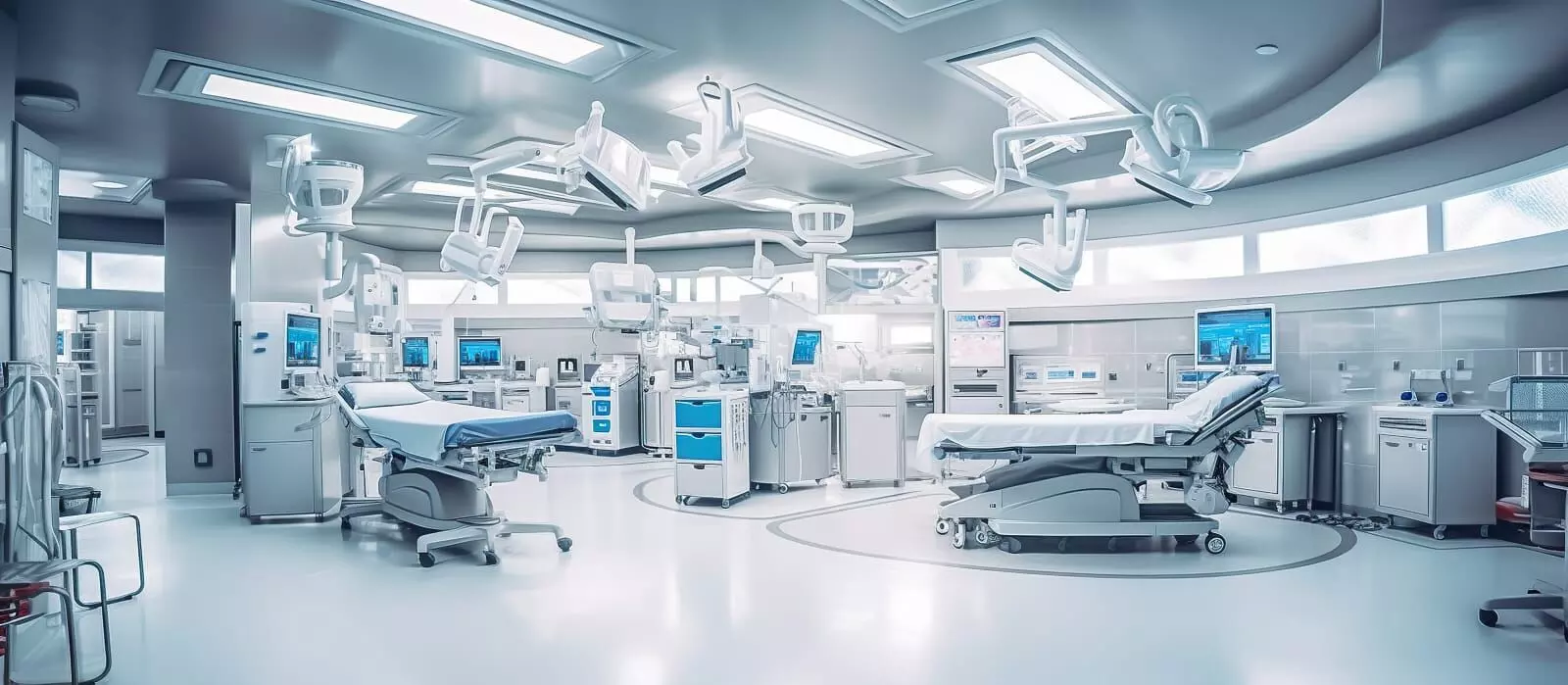
An intense debate has ignited across the country’s medical technology ecosystem. The controversy centres on the government’s recent move to allow the import of refurbished and reconditioned medical devices, an approval that stakeholders warn could undermine patient safety and India’s long-term innovation goals.
On 10 January 2025, the Central Drugs Standard Control Organisation (CDSCO) issued a formal clarification stating that refurbished medical devices are not permitted for import under the current Medical Devices Rules (MDR), 2017. The clarification reaffirmed the long-standing regulatory stance that India should rely on certified, compliant, and traceable medical equipment, preferably domestically manufactured.
However, in a surprising development, the Ministry of Environment, Forest & Climate Change (MoEFCC) has granted permissions allowing the import of refurbished and reconditioned medical equipment. The approval covers high-value categories including robotic surgical systems, MRI scanners, CT machines, cath-lab equipment, and other advanced diagnostic tools.
Legal Battle Intensifies
The Patient Safety and Access Initiative of India Foundation has filed a writ petition before the Delhi High Court, urging an immediate halt to refurbished imports. The petition argues that allowing such equipment into India creates a direct conflict with CDSCO’s regulatory framework and risks turning the country into a “dumping ground for used and obsolete medical technology.”
The case could determine how India balances environmental norms, industrial policy, and patient health concerns.
Industry Raises Red Flags
Industry bodies and domestic manufacturers have expressed alarm, stating that permitting used machines, some of which may have completed their lifecycle overseas, poses significant threats:.Refurbished devices may lack the performance consistency required for surgeries and high-precision diagnostics, Prior wear and tear reduces durability, increasing chances of failure during critical procedures, Older devices may miss essential software updates and innovative features now standard in modern systems.
Manufacturers argue that the decision contradicts India’s “Make in India” mission, particularly at a time when domestic companies have invested heavily in R&D to develop indigenous, world-class medical technology.
Environmental Concerns
The policy intended to regulate waste movement may inadvertently increase India’s exposure to medical electronic waste, critics say. Without stringent traceability and end-of-life management rules, the influx of old devices could exacerbate the country’s e-waste burden.
While tertiary hospitals with strong technical teams remain cautious, several smaller and budget-constrained healthcare centres have welcomed the possibility of more affordable equipment, arguing that refurbished devices, if properly audited, could expand access to advanced diagnostics in rural and tier-2 cities.
Call for Unified Regulatory Action
Industry leaders are urging the government to establish a clear, unified policy framework between MoEFCC and CDSCO, ensuring that all environmental decisions align with national medical device safety standards. They have also called for a centralized registry and mandatory certification process for any equipment entering India.