
TRENDING TAGS :
Scrub Typhus Is Now Spreading Inside Homes – Here’s Why
Scrub typhus is no longer just a farmer’s disease. A new CMC Vellore study shows infections are rising inside homes. Learn symptoms, risks, and prevention.

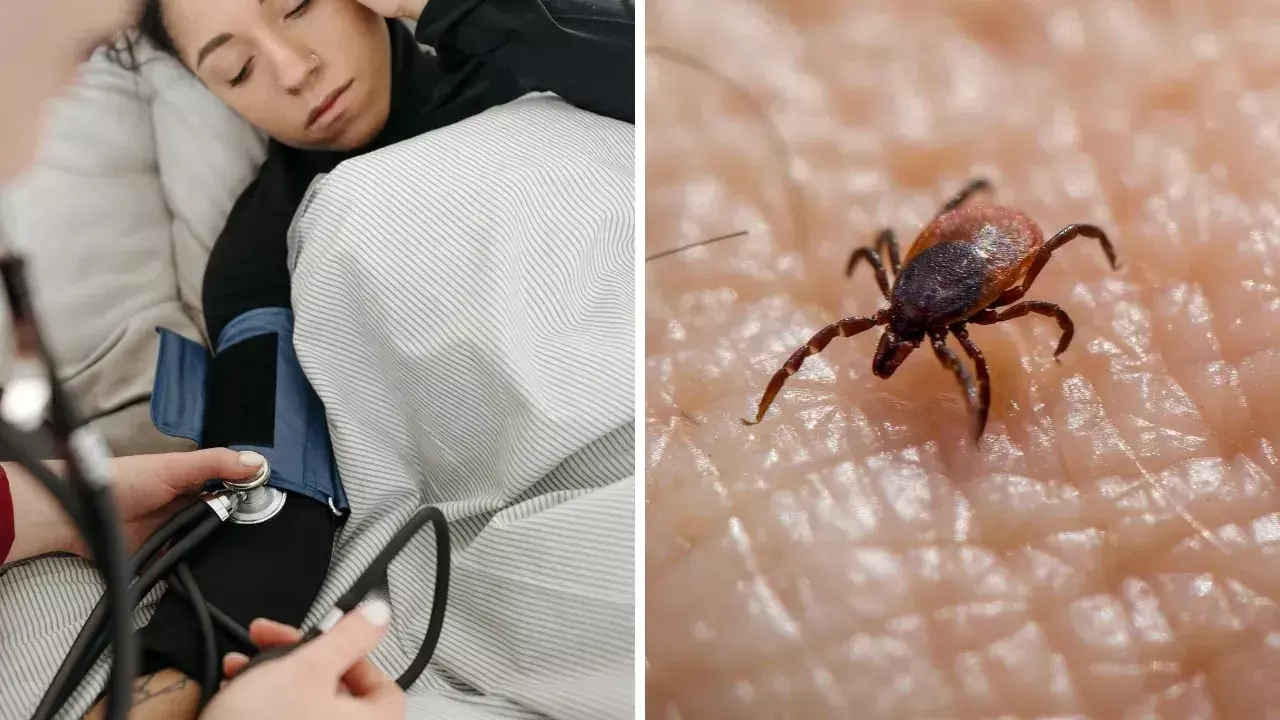
Scrub typhus (PC- Social Media)
Scrub typhus is no longer limited to farmers or forest workers. A new 2026 study by Christian Medical College Vellore shows most infections are now happening around homes, not fields. The bacteria spreads through tiny mites called chiggers. These mites are quietly living in gardens, courtyards, and damp corners near houses. That changes everything.
What Exactly Is Scrub Typhus?
Scrub typhus is a bacterial infection caused by orientia tsutsugamushi. It spreads through the bite of infected larval mites. The bite is painless. Many people never even notice it.
Symptoms begin like a simple viral fever. High temperature. Body pain. Headache. Weakness that feels strange. Because it looks like flu or dengue, many ignore it at first. That delay can turn dangerous.
Why Experts Are Alarmed
For years, this illness was linked with tall grass and paddy fields. But the CMC Vellore population study, which tracked over 32,000 people in Tamil Nadu, found something unexpected. Agricultural work showed only weak connection in high-risk areas.
Instead, people living in closely packed homes or houses with fewer rooms had higher infection rates. That means the real hotspot is now around living spaces. Untrimmed plants. Wood piles. Moist soil patches. Rodents nesting near kitchens. These are the new risk zones.
It feels uncomfortable to admit, but the danger is literally in the backyard.
Women And Elderly At Higher Risk
The pattern is shifting in another way too. Earlier, working men were thought to be most affected. Now women and people above 60 years are showing higher risk.
The reason is simple. They spend more time at home. Cleaning storage spaces. Sitting in shaded outdoor areas. Working in small kitchen gardens. These daily habits increase exposure to mites near the ground. It’s not about occupation anymore. It’s about environment.
The Financial Shock Many Families Face
Scrub typhus is treatable with doxycycline. The medicine is not expensive. But early diagnosis is the key.
The problem starts when symptoms are ignored. Many families first try local remedies or visit untrained practitioners. By the time proper treatment begins, complications may have started. Severe cases can lead to Acute Respiratory Distress Syndrome, kidney failure, or brain infection.
The CMC Vellore study revealed nearly 10 percent of affected households faced catastrophic health expenses. Some severe treatments crossed ₹1 lakh. For rural families, that is crushing.
Watch For The ‘Eschar’ Mark
One small sign can save lives. The eschar. It looks like a dark scab, almost like a cigarette burn. It forms where the mite bites.
It is often found in warm body areas. Underarms. Behind knees. Groin. Because the bite does not hurt, people rarely check. But spotting this mark early can guide doctors quickly.
How To Protect Your Home Now
Prevention must start at ground level. Keep grass trimmed around your house. Clear debris and wood piles. Do not let rodents settle nearby.
Avoid sitting directly on soil or grass. Use chairs or mats. Children playing outdoors should wear full clothes and socks.
If fever lasts more than two days, do not assume seasonal flu. Ask your doctor about scrub typhus directly. Early antibiotics can stop the disease before it turns severe.
Scrub typhus is no longer a distant rural fever. It is a domestic health threat growing silently. Awareness is the only shield right now. Look around your home carefully. That small habit may protect your entire family.


