TRENDING TAGS :
Shocking RG Kar Case: Drunk Lift Staff, No Training, Life Lost
RG Kar Hospital elevator death probe reveals shocking lapses. Drunk lift operators, no training, and serious safety failures exposed.

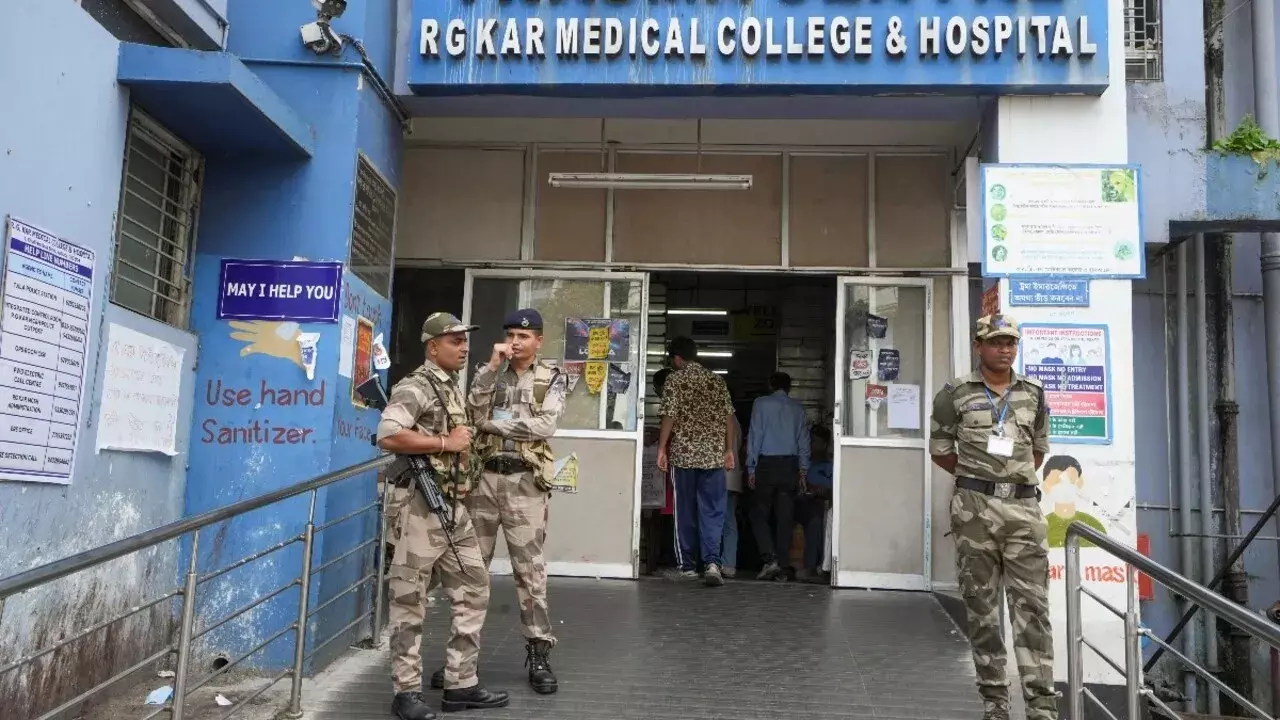
RG Kar Hospital (PC- Social Media)
The RG Kar hospital elevator death case has taken a disturbing turn. Investigations say all three lift operators on duty were drunk and had no proper training. Because of this, they failed to act in time and a life was lost. It shows a serious failure in basic safety, something that should never happen in a hospital.
What Exactly Happened That Night
The incident happened on March 20 at R. G. Kar Medical College and Hospital, inside a building with a trauma care unit. A man named Arup Bandopadhyay got trapped in an elevator during the night.
Now here is the shocking part. The lift operators who were supposed to handle such emergencies were not even in a condition to respond. They were heavily intoxicated, not alert, not present mentally.
Because of this delay and confusion, no quick rescue attempt happened. A situation that could maybe be controlled turned fatal. That’s what makes it even more painful.
Probe Reveals Disturbing Truths
During investigation, police found that all three operators were drunk while on duty. Not just slightly, but completely unable to function properly. That itself is a huge violation.
Even worse, they admitted something more serious. None of them had proper training before starting the job. They were hired just a month before the incident and sent to work without preparation.
So imagine this. A hospital, where emergencies happen every minute, and the people handling lifts don’t even know basic rescue steps. It sounds unreal, but it happened.
No Rescue Attempt Even in Crisis
One detail from the probe really stands out. When the incident happened, the operators didn’t even try basic rescue steps. They could have reached the basement and tried to open the lift from outside.
But that thought never came to them. That’s what officials said. It shows how untrained they were, and how their condition made things worse.
CCTV footage also confirmed something worrying. None of the operators were near the elevators after midnight. That means there was no monitoring at all during a critical time.
System Failure, Not Just Human Error
It’s easy to blame the workers, but the issue goes deeper. The entire system seems broken here. Lift maintenance and staffing were handled by different agencies.
The contract for lift operators had just changed recently. A new agency brought in a new team, but without proper checks or training. That gap created a dangerous situation.
This is not just one mistake. It feels like multiple small failures coming together. Poor hiring, no training, weak supervision, and no accountability.
A Bigger Problem Inside Hospitals
What’s more worrying is what came out during questioning. The operators claimed that drinking during night duty is common among some non-medical staff. That is a serious claim.
If true, it means this is not an isolated case. It points to a larger culture problem. Safety rules exist, but maybe they are not followed strictly.
Hospitals are supposed to be the safest places. But when basic systems fail like this, it raises big questions. People trust these places with their lives.
What Needs to Change Now
After such a tragedy, changes are expected. Strict training must be made compulsory for all staff handling critical systems. No shortcuts, no exceptions.
Also, monitoring needs to improve. CCTV is there, but someone must actively watch and respond. Having cameras alone doesn’t solve anything.
And most important, accountability must be clear. Agencies handling such roles should be checked properly. Otherwise, these mistakes will repeat, and that’s the real fear.
A Tragedy That Shouldn’t Be Ignored
This case is not just about one hospital or one city. It’s about how small negligence can turn into a big disaster. One wrong hiring decision, one ignored rule, and the cost becomes life.
For people reading this, it feels disturbing, and it should. Because such things shouldn’t happen, especially in places meant to save lives.
Hopefully, this incident brings real change. Not just statements, but actual action. Because safety, once ignored, doesn’t give second chances.