TRENDING TAGS :
Chandra Grahan 2026 and Holika Dahan Clash: When should you celebrate Choti Holi, March 2 or 3?
Lunar Eclipse 2026 and Choti Holi Clash: 2026 Holi celebrations face a rare celestial alignment as a total lunar eclipse (Chandra Grahan) coincides with the traditional date of Holika Dahan on March 3, 2026.

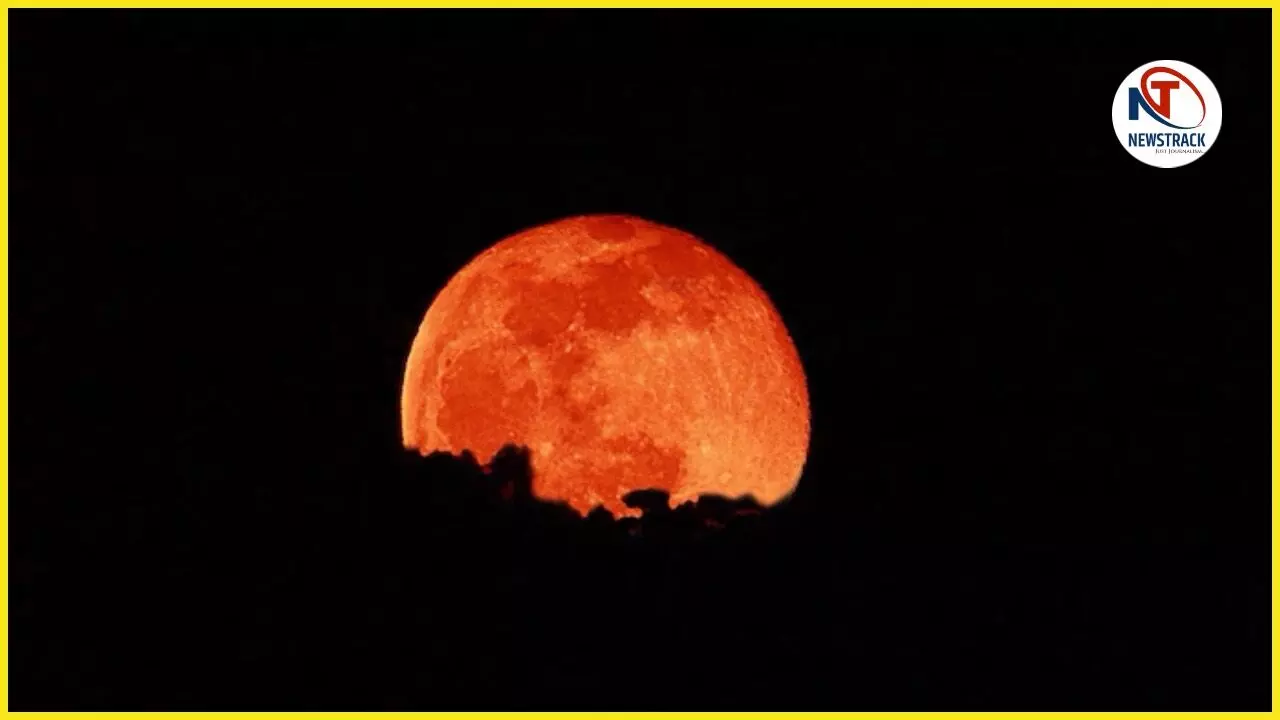
Chandra Grahan Timing Total Lunar Eclipse on 7 September 2025 Blood Moon Alert
The total lunar eclipse is scheduled for March 3, 2026, occurring on the day of Phalguna Purnima. According to Drik Panchang, the celestial event will officially begin at 3:20 PM IST, reaching its maximum intensity between 6:33 PM and 6:40 PM IST. The eclipse will conclude shortly thereafter at 6:47 PM IST. For observers in India, the moon will rise between 6:20 PM and 6:30 PM IST, meaning citizens will be able to witness only the final 20 to 25 minutes of the total eclipse as it nears completion. Visibility is expected to be clearest in the northeast region due to earlier moonrise, though major cities like Delhi, Mumbai, Chennai, and Kolkata will also see the event provided the skies are clear.
Sutak Kaal during Chandra Grahan 2026
In accordance with Hindu tradition, the Sutak Kaal for a lunar eclipse begins nine hours prior to the event's start. For this eclipse, the Sutak period commences at 6:20 AM IST on March 3 and remains in effect until the eclipse ends at 6:47 PM IST. During these hours, many religious activities are traditionally paused. Devotees are advised to avoid temple visits and specific puja rituals. Common practices during this time include chanting mantras, meditating for spiritual purification, and covering cooked food with Tulsi leaves to maintain its purity.
Holika Dahan Date: March 2 or March 3?
The primary confusion for 2026 is whether to observe Holika Dahan on March 2 or March 3. Traditional Panchangs generally list March 3 as the official date. According to the Rishikesh Panchang, the Purnima Tithi ends at 5:07 PM on March 3, and the ideal Holika Dahan Muhurat is between 6:22 PM and 8:50 PM on that same evening. Because fire rituals should be avoided during the actual eclipse hours (3:20 PM to 6:47 PM), the most auspicious time for the bonfire is immediately after the eclipse ends at 6:47 PM. However, some stricter regional traditions may choose to perform the ritual on the evening of March 2 to avoid the Sutak Kaal entirely, making it advisable for families to consult a local priest for specific community guidelines.
Lunar Eclipse 2026: Do's and Dont's during Chandra Grahan
Unlike a solar eclipse, a lunar eclipse is safe to watch with the naked eye and requires no special protective equipment. Despite this, several traditional "don’ts" are observed during the Sutak period, particularly for vulnerable groups. Pregnant women are often advised to stay indoors and avoid using sharp objects like scissors or needles. Additionally, general observers typically avoid eating or drinking during the eclipse hours, though exceptions are commonly made for children, the elderly, and the sick. Once the eclipse concludes, many practitioners choose to perform acts of charity or donate to Brahmins as a final act of purification.