TRENDING TAGS :
Delhi Pollution Turns Severe Again As Thick Smog Covers The City
Delhi air pollution turns severe as AQI crosses 460, thick smog blankets the city, health risks rise, and GRAP-4 restrictions return across Delhi-NCR.

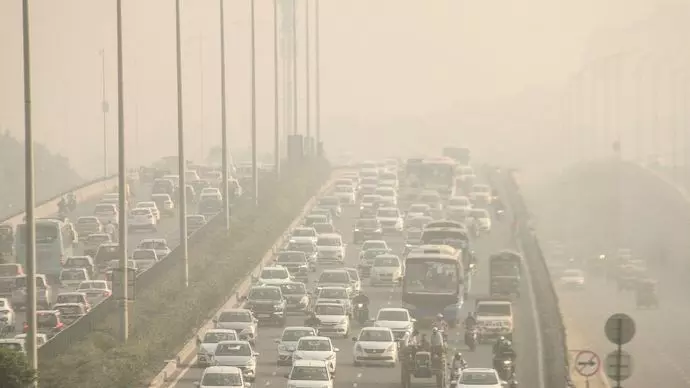
Pollution (PC- Social Media)
Delhi woke up under a heavy blanket of smog with air quality falling into the severe category and AQI touching 462 early morning. All monitoring stations across the capital reported dangerous levels, making it unsafe even for healthy people to step outside. With visibility dropping and breathing becoming difficult, Delhi once again faces a serious pollution emergency.
What Delhi Mornings Look Like During Severe AQI
Early morning visuals from different parts of Delhi showed roads covered in thick grey smog. Vehicles moved slowly with headlights on even after sunrise. Areas like Rohini, Jahangirpuri, Vivek Vihar, and Patparganj recorded AQI levels close to 500. People felt eye irritation, throat discomfort, and shortness of breath while stepping out.
For many residents, this has sadly become a winter routine. Morning walks stopped. Children stayed indoors. Elderly people avoided leaving home unless very necessary. The city looked calm but the air felt heavy and unsafe.
Understanding AQI And Why 462 Is Extremely Dangerous
The Air Quality Index is a tool that explains how polluted the air is and how it affects health. An AQI between 401 and 500 is considered severe. At this level, even people without any illness can face breathing problems. Those with asthma, heart disease, or lung issues face serious risk.
Delhi recording AQI 462 means the air is filled with fine particles like PM2.5 that go deep into the lungs. These tiny particles cannot be seen but cause maximum damage. Prolonged exposure leads to hospitalisation and long term health problems.
Why Delhi Pollution Suddenly Got Worse
Experts say weather played a major role in the sudden rise in pollution. A weak western disturbance reduced wind speed and changed wind direction. Moisture in the air increased and pollutants got trapped close to the ground. This is common during winter when air movement becomes slow.
Because of these conditions, pollution from vehicles, industries, dust, and other sources did not disperse. Instead, it stayed locked over the city forming dense smog. Even if emissions remain same, weather can turn the situation extreme very fast.
GRAP-4 Restrictions Return Across Delhi-NCR
As pollution worsened, authorities enforced GRAP-4, the strictest stage under the Graded Response Action Plan. Entry of non-essential trucks into Delhi was banned. Only vehicles carrying essential goods or running on cleaner fuels were allowed.
Construction and demolition activities were completely stopped. Diesel vehicles that do not meet newer emission standards faced restrictions. Offices were advised to allow work from home for at least half of the staff. Schools for certain classes were advised to shift to online mode to protect children.
These steps aim to reduce pollution load but they also affect daily life, work schedules, and movement across the city.
Health Impact Of Breathing Severe Pollution Air
Doctors warn that air quality at severe level is hazardous for everyone. People may feel headaches, chest tightness, coughing, and burning eyes within minutes of exposure. Long exposure can worsen heart and lung conditions.
Children are especially vulnerable because their lungs are still developing. Elderly people and pregnant women face higher risk. Doctors advise staying indoors, using masks when outside, and avoiding physical exercise in open areas during such days.
Why AQI Is Capped At 500 In India
Many people ask why AQI does not go beyond 500 even when pollution feels worse. In India, the AQI scale is capped at 500. Experts say health impacts above 400 are already extremely dangerous and higher numbers may create panic.
However, some experts argue that showing higher AQI numbers could better explain the seriousness of the situation. They believe hiding exact levels may reduce urgency in policy action and public response.
Is Delhi Pollution Only A Winter Problem
Winter makes pollution worse but it is not the only reason. Vehicle emissions, construction dust, industrial pollution, and regional factors all contribute. Crop residue burning in nearby states during certain months adds to the problem.
What winter does is trap all these pollutants due to cold air and low wind speed. This combination turns already polluted air into a severe health threat within days.
How Residents Are Coping With Smog Days
People in Delhi have slowly adapted to pollution routines. Air purifiers are used inside homes. Masks are kept ready. Parents check AQI apps before sending children outside. Morning jogs shift indoors.
But mental stress is rising. Staying indoors for long affects mood and productivity. Many residents feel frustrated that every winter brings the same situation with little long term relief.
What Needs To Change Beyond Emergency Measures
Emergency restrictions help temporarily but long term solutions are needed. Cleaner public transport, stricter vehicle emission checks, dust control at construction sites, and faster adoption of renewable energy are essential.
Regional coordination is also important. Pollution does not stop at city borders. Delhi, Haryana, Punjab, and Uttar Pradesh need joint action plans to manage air quality effectively.
Why This Pollution Crisis Feels More Serious Each Year
Every year, pollution episodes feel longer and harsher. Health awareness has increased and people now understand the risks better. What once felt like mild discomfort now feels like a serious threat to life quality.
Delhi’s pollution crisis is not just about numbers. It affects how people live, breathe, and plan their daily life. The hope remains that consistent action, not just seasonal fixes, will one day give the city clean air again.
Delhi woke up to severe smog today, but the real challenge is ensuring it does not wake up to the same air every winter.