TRENDING TAGS :
Election Code Now Active In 5 Regions — ECI Orders Strict Monitoring
Election Commission orders strict Model Code of Conduct enforcement after assembly elections announced in Assam, Kerala, Tamil Nadu, West Bengal and Puducherry.

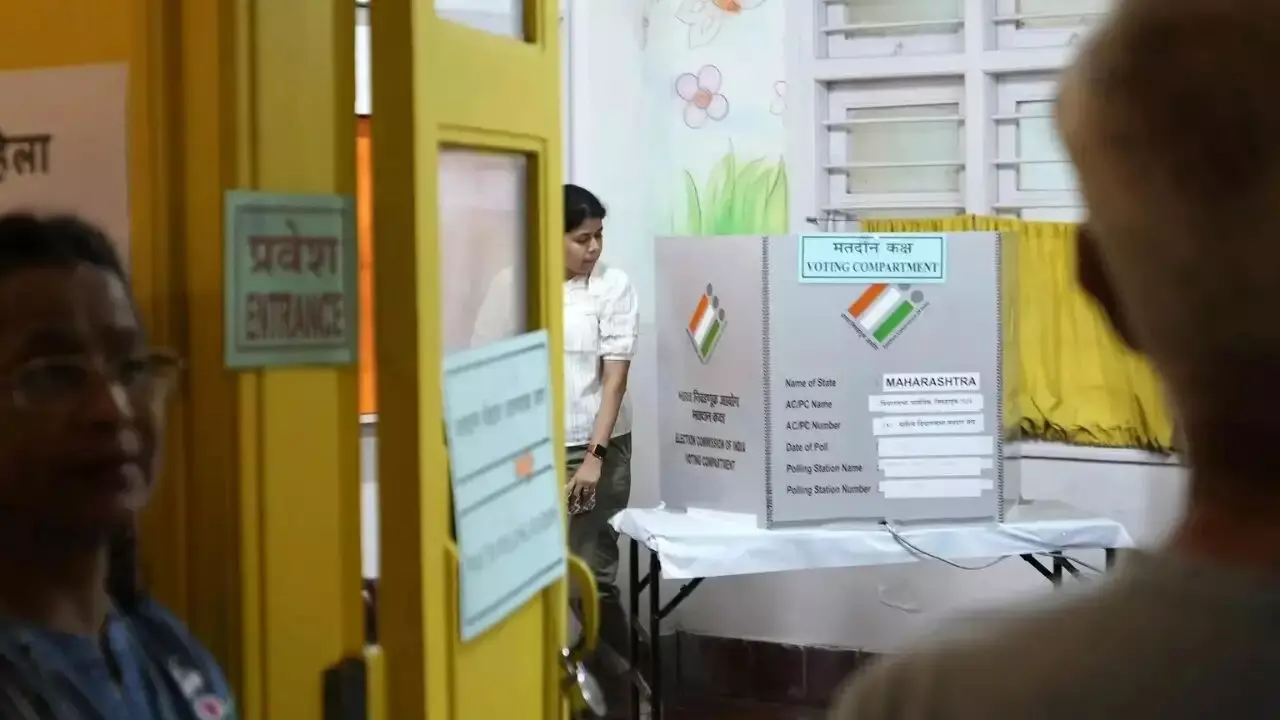
Election Commission (PC- Social Media)
The Election Commission of India has ordered strict enforcement of the Model Code of Conduct after announcing assembly elections in five regions. These include Assam, Kerala, Tamil Nadu, West Bengal and the Union Territory of Puducherry. Once the election schedule was released, the code automatically came into effect. Officials across these states were told to start implementing the rules immediately.
The Model Code of Conduct is designed to ensure that elections happen fairly. It limits how governments and political parties behave during the campaign period.
What Triggered The Model Code Activation
The Election Commission recently announced the schedule for assembly elections in the five regions. After that announcement, official notifications were published in the government gazettes of Assam, Kerala and Puducherry.
Once the election process begins formally, the Model Code of Conduct becomes active right away. This means governments, political parties and candidates must follow certain rules.
The commission sent instructions to Chief Secretaries and Chief Electoral Officers in the concerned states. They were asked to make sure the code is implemented without delay.
Interestingly, these rules also apply to the central government when it comes to decisions affecting these states during the election period.
Rules Political Parties Must Follow
The Model Code of Conduct mainly focuses on preventing misuse of power during elections. Political parties cannot use government vehicles, offices or public funds to promote their campaigns.
Another important rule deals with public property. Posters, banners or flags cannot be placed on buildings, walls or land without the owner’s permission.
The commission has also banned political advertisements paid using government money during the election period. This ensures that ruling parties do not get an unfair advantage.
Officials have also been told to remove defacement from public spaces quickly. This includes posters or graffiti placed illegally.
Citizens Can Now Report Violations Easily
To make the process transparent, the Election Commission has introduced several ways for people to report violations. Citizens who see any breach of the election code can file complaints easily.
A special election call centre has been activated with the number 1950. Anyone can call this number and report violations to the District Election Officer or the Returning Officer.
Apart from that, complaints can also be filed through the C Vigil mobile application. This app allows people to upload photos or videos of suspected violations.
Officials say this system helps authorities respond faster and take action before problems grow bigger.
Thousands Of Monitoring Teams Deployed
The Election Commission has deployed large monitoring teams to ensure the rules are followed. More than 5,173 flying squads have been positioned across the states and the Union Territory.
These teams move around different areas to check campaign activities and respond to complaints quickly. The commission expects them to act within about 100 minutes when violations are reported.
Along with these squads, over 5,200 static surveillance teams have also been deployed. These teams stay in specific locations and monitor election related activities continuously.
The goal is simple. Make sure no political party misuses power or breaks election rules.
Strict Rules For Rallies And Meetings
Political parties must now inform police authorities before organizing rallies or public meetings. This allows the administration to manage security and traffic arrangements properly.
Campaign organizers also need permission before using loudspeakers or sound systems. Authorities may restrict such activities depending on local rules.
If any prohibitory orders are in place in a particular area, political parties must respect them fully. Ignoring such restrictions could lead to penalties.
These rules exist mainly to maintain public order and ensure campaigns remain peaceful.
Digital System For Campaign Permissions
The Election Commission has also activated the SUVIDHA module on the ECINET platform. Through this system, political parties can apply online for permission to use public spaces.
Places like grounds, open fields or even helipads used for campaign visits can be booked through the portal. The allocation is done on a first come first served basis.
This digital process helps reduce confusion and ensures equal opportunity for all parties. Earlier many permissions required manual paperwork, which sometimes caused delays.
Now everything is more streamlined and transparent.
Focus On Fair And Neutral Elections
Election officials across all levels have been instructed to remain completely neutral. They must treat every political party equally during the election process.
Authorities have also been told to ensure law and order during rallies, campaigns and polling days. Maintaining trust in the election system remains the commission’s biggest priority.
India conducts some of the largest elections in the world. Because of that, strict rules like the Model Code of Conduct become essential.
For voters, these steps are meant to ensure one simple thing. When they walk into the polling booth, the process should feel fair, transparent and free from pressure.