
TRENDING TAGS :
Goa Nightclub Tragedy: Why Do Fire Incidents Keep Occurring in Nightclubs?
The deadly fire at a Goa nightclub has exposed alarming safety lapses in India’s nightlife venues. From illegal fire shows to lack of emergency exits, this report explains why nightclub fire tragedies keep occurring and what must change.

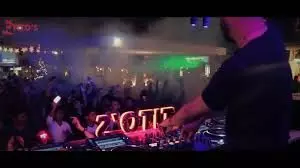
New Delhi: The horrifying fire that broke out on the night of December 6 at the “Birch by Romeo Lane” nightclub in Arpora, North Goa, has shaken the entire nation. The tragedy claimed 25 lives, including 20 employees of the club. December is usually the most vibrant month for Goa due to tourism, but what began as a festive night for holidaymakers turned within minutes into screams, chaos, panic, and death.
This devastating incident has raised serious questions about safety standards at nightclubs and nightlife venues, not just in Goa but across India. It has now emerged that the club where the fire occurred lacked basic fire-fighting equipment, fire alarm systems, and proper emergency exit routes. Following the Goa tragedy, administrations and safety agencies in several states and major cities have been put on alert, and large-scale inspections are underway.
Ban on Indoor Fireworks in Goa
After the Arpora incident, the North Goa district administration issued a major directive imposing a complete ban on the use of fireworks, sparklers, flame effects, or any equipment that generates fire or smoke inside nightclubs, hotels, and tourist venues.
Until now, fire shows, sparkler performances, and flame effects were common attractions in many clubs. However, after these performances led to multiple fatalities, authorities have enforced strict measures. The administration has made it clear that no such devices posing fire hazards will be permitted in enclosed spaces.
Investigative agencies are currently probing the incident. Preliminary reports suggest that the club did not undergo a mandatory fire audit, and several licenses were found to be either suspicious or illegal.
Club Owners Arrested in Thailand
The main accused in the Arpora case—club owners Saurabh and Gaurav Luthra—had fled India and were hiding in a hotel in Phuket, Thailand. With the assistance of Indian agencies, Thai police arrested both suspects.
India’s Ambassador Nagesh Singh confirmed that the accused will be extradited to India soon. Their passports have been suspended, and a Delhi court has rejected their anticipatory bail plea. Earlier, another accused, Ajay Gupta, was taken into custody from Delhi.
The swift arrest was made possible due to the India–Thailand Extradition Treaty signed in 2013, which enabled rapid legal cooperation between the two countries.
Fire Safety Inspections in Delhi, Mumbai, and Haryana
Following the Goa tragedy, inspections have begun across several states.
• Delhi Fire Service has ordered comprehensive fire safety checks of all clubs, hotels, and restaurants ahead of Christmas and New Year celebrations. These inspections include fire exits, alarm systems, water availability, and emergency lighting.
• In Mumbai, the Municipal Corporation has launched surprise fire safety inspections. Raids are being conducted at dozens of clubs, pubs, and restaurants. Multiple violations have been found, and warning notices have been issued. Mumbai has already witnessed a deadly incident in the Kamala Mills complex, where several people lost their lives in a fire.
• In Haryana, the situation is also considered serious. DGP OP Singh has directed all districts to conduct fire safety audits of nightclubs and ensure they are fully “fire-proof.” With nightlife expanding rapidly in districts like Gurugram, Faridabad, Bahadurgarh, Panchkula, Karnal, and Panipat, police have been placed on high alert.
Why Do Nightclub Fire Accidents Occur?
The Goa tragedy is not an isolated incident. Across India and the world, numerous clubs, bars, warehouses, and malls have fallen victim to fires due to similar negligence. Several key reasons contribute to such disasters:
• Overcrowding: Many clubs operate at two to three times their approved capacity. When a fire breaks out, people are unable to escape, panic sets in, stampedes occur, and suffocation causes deaths.
• Use of Fire Effects: Sparkler shows, flame performances, smoke effects, and fireworks are commonly used for entertainment. A single spark can engulf an entire club because of curtains, decorative items, carpets, and wooden stages, which can burn within seconds.
• Highly Flammable Decor: Thermocol, rexine, foam, fabric, and similar materials used for decoration ignite instantly.
• Regulatory Violations: Fire safety is often ignored, and enforcement agencies remain negligent. Many clubs operate without smoke alarms, fire extinguishers, sprinklers, or emergency exits. In the Goa club, not a single fire extinguisher was found in working condition.
• Faulty Electrical Wiring: High-intensity lights, DJ setups, and makeshift electrical wiring lead to overheating and short circuits.
• Untrained Staff: Club operators rarely invest in staff training. Employees often have no idea how to evacuate crowds during a fire or how to use emergency equipment.
What Happened That Night?
On the night of December 6, Birch by Romeo Lane hosted a special “fire show performance.” According to eyewitnesses, a belly dancer began the performance using sparklers. Within moments, a spark struck the decorative material on stage.
The fire spread rapidly, thick smoke filled the club, and people inside could not find a way out. The club had only one emergency exit, which was partially blocked. Many people ran toward the basement and became trapped. Most deaths were caused by suffocation due to smoke inhalation.
The Rise of Club Culture
Over the past decade, nightlife has expanded rapidly in major Indian cities. Cities like Gurugram and Mumbai have hundreds of pubs and clubs operating until 2 a.m. The nightclub industry has become a major commercial sector, yet safety conditions remain deeply alarming.
Clubs are opening in locations where quick evacuation is difficult. Soundproofing isolates people inside from outside awareness. The most dangerous trend is indoor fireworks.
To prevent such tragedies, experts stress the need for:
• Mandatory and regular fire audits
• Compulsory fire safety NOCs
• Complete ban on fireworks and fire shows indoors
• Regular staff training
• At least two to three emergency exits
• Monthly fire drills
• Use of non-flammable decorative materials
Fire safety experts warn that issuing orders alone is not enough. Strict and continuous enforcement is essential. The real test will be whether this vigilance continues months from now.
The Goa tragedy is a stark reminder that in the glittering world of nightlife, safety must never be ignored.


