TRENDING TAGS :
The Global History, Scientific Composition, Benefits, and Drawbacks of the Potato in India
A comprehensive article detailing the history, origin, global spread, nutritional composition, health benefits and risks, production, consumption, and modern research on the potato.

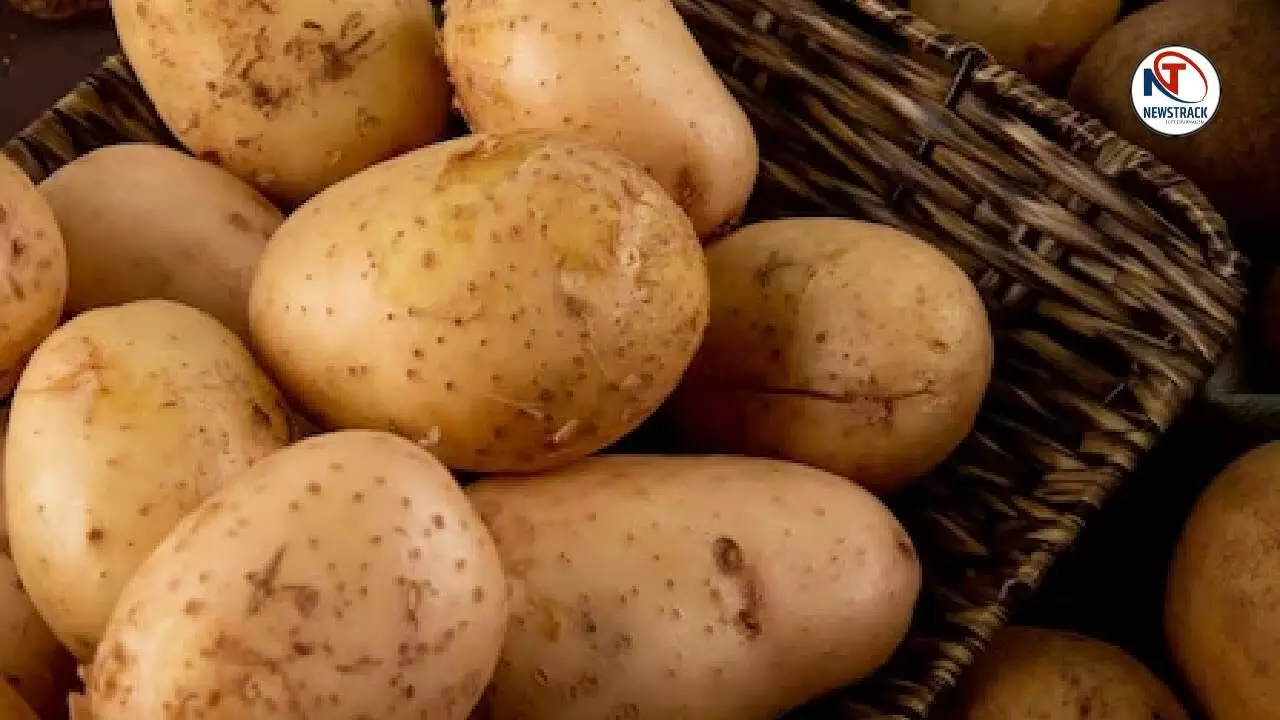
History of Potato in India
History of Potato in India: Among all the crops that have influenced human civilization, few have shaped both diet and history as profoundly as the potato. Today, it is cultivated in almost every part of the world, but its true home lies in the mountainous regions of South America’s Andes, where local tribes first began cultivating it thousands of years ago.
Origin and Early Cultivation of the Potato
Archaeological findings trace the origin of the potato between 8000 and 5000 BCE in the highlands of Peru and northwestern Bolivia. The Inca civilization was the first to cultivate it as a staple food crop, referring to it as “Papa.” For the Incas, potatoes had not only nutritional but also religious and economic significance—they were valued as essential food for soldiers and travelers alike due to their durability and nutritional richness.
The scientific name of the potato is Solanum tuberosum, belonging to the nightshade family (Solanaceae), which also includes tomatoes, eggplants, and peppers.
Spread of the Potato Across the World
When Spanish explorers reached South America in the 16th century, they carried the potato back to Europe. Historical records suggest that 1536 CE marks the year when potatoes first reached Europe.
In Spain and Italy, it was initially grown as an ornamental plant.
In Ireland and England, it became a staple food of the lower classes.
By the late 17th century, the potato had spread throughout Europe.
Ireland’s population boom was largely driven by potato cultivation. However, between 1845 and 1849, the Irish Potato Famine caused by Phytophthora infestans destroyed crops and led to millions of deaths and emigration—highlighting both the power and peril of this crop.
Arrival of the Potato in India
The potato reached India through the Portuguese, who are believed to have introduced it between 1580 and 1600 CE via Goa’s seaports.
From there, the crop gradually spread to Bengal, Bihar, Uttar Pradesh, and Punjab. By the 18th century, potato cultivation had become familiar to Indian farmers.
During the British colonial period, the crop was systematically cultivated in the northern plains. After 1830, the British introduced improved seed varieties and organized research, placing India among the world’s leading potato producers.
Nutritional Composition of the Potato
Potatoes are often called the “King of Carbohydrates.” They are rich in starch and serve as a major source of energy.
Nutritional value per 100 grams of potato:
Calories: 87 kcal
Carbohydrates: 20 g
Protein: 2 g
Fiber: 2.2 g
Fat: 0.1 g
Vitamin C: 20 mg
Potassium: 421 mg
Small amounts of Vitamin B6, Magnesium, Phosphorus, and Iron
Even the potato skin contains substantial fiber and essential minerals.
Health Benefits of Eating Potatoes
1. Excellent source of energy – The starch content provides quick energy to the body.
2. Heart-friendly potassium – Helps regulate blood pressure.
3. Rich in Vitamin C – Strengthens immunity and supports skin, bone, and muscle health.
4. Good for digestion – Boiled or baked potatoes aid bowel movement and relieve constipation.
5. Naturally gluten-free – Suitable for people allergic to wheat or barley.
6. Boosts brain function – Vitamin B6 supports neural activity and cognitive performance.
Drawbacks and Health Risks of Excessive Potato Consumption
1. Unhealthy when fried – French fries and chips are high in oil and trans fats, increasing cholesterol and obesity.
2. High Glycemic Index – Causes a rapid rise in blood sugar; diabetics should consume with caution.
3. Solanine toxin – Found in sprouted or green potatoes; may cause vomiting, diarrhea, or headaches.
4. Excess carbohydrates – Overconsumption can lead to weight gain and belly fat accumulation.
5. Acrylamide formation – Deep-fried potatoes can form carcinogenic compounds over time.
Global Status of the Potato Today
Potatoes are now produced in over 100 countries. Major producers include China, India, Russia, Ukraine, and the United States.
Largest producer: China (~90 million tons annually)
Second largest: India (~55 million tons annually)
Major exporters: The Netherlands, Germany, and France
Major importers: Indonesia, Belgium, and the United States
In India, top potato-producing states include Uttar Pradesh, West Bengal, Bihar, Punjab, Gujarat, and Madhya Pradesh. Uttar Pradesh alone contributes nearly 30% of India’s total production.
Consumption in India and the World
The global average potato consumption per capita is about 32 kg per year.
In India, the average is 25–27 kg per person per year.
In developed nations, it ranges between 40–50 kg per person per year.
In India, potatoes are used in everyday cooking, snacks, chips, fries, and even in starch industries.
Modern Research and the Future of Potato Cultivation
Several countries are investing in organic and genetically modified (GM) potato varieties to enhance productivity and disease resistance.
The International Potato Center (CIP) in Lima, Peru is the world’s leading research organization on potatoes.
In India, the Central Potato Research Institute (CPRI), located in Shimla, is dedicated to developing improved varieties and sustainable farming methods.
Additional Interesting Facts
There are more than 5,000 known potato varieties worldwide.
NASA has experimented with growing potatoes in space, recognizing their high nutritional value and sustainability.
A single potato contains more potassium than a banana.
The potato is more than a vegetable—it is a silent companion of civilization that has sustained humanity through famine, war, and poverty.
While its excessive or unhealthy forms (like chips and fries) have become culprits of modern lifestyle diseases, in moderate amounts, boiled or baked potatoes remain a rich source of nutrition, energy, and flavor.