TRENDING TAGS :
Holi Tragedy in Delhi: SC Refuses Probe, Here’s What Happens Next
Supreme Court declines court-monitored probe in Delhi Holi killing case. Know what happened, court’s stand, and what comes next.

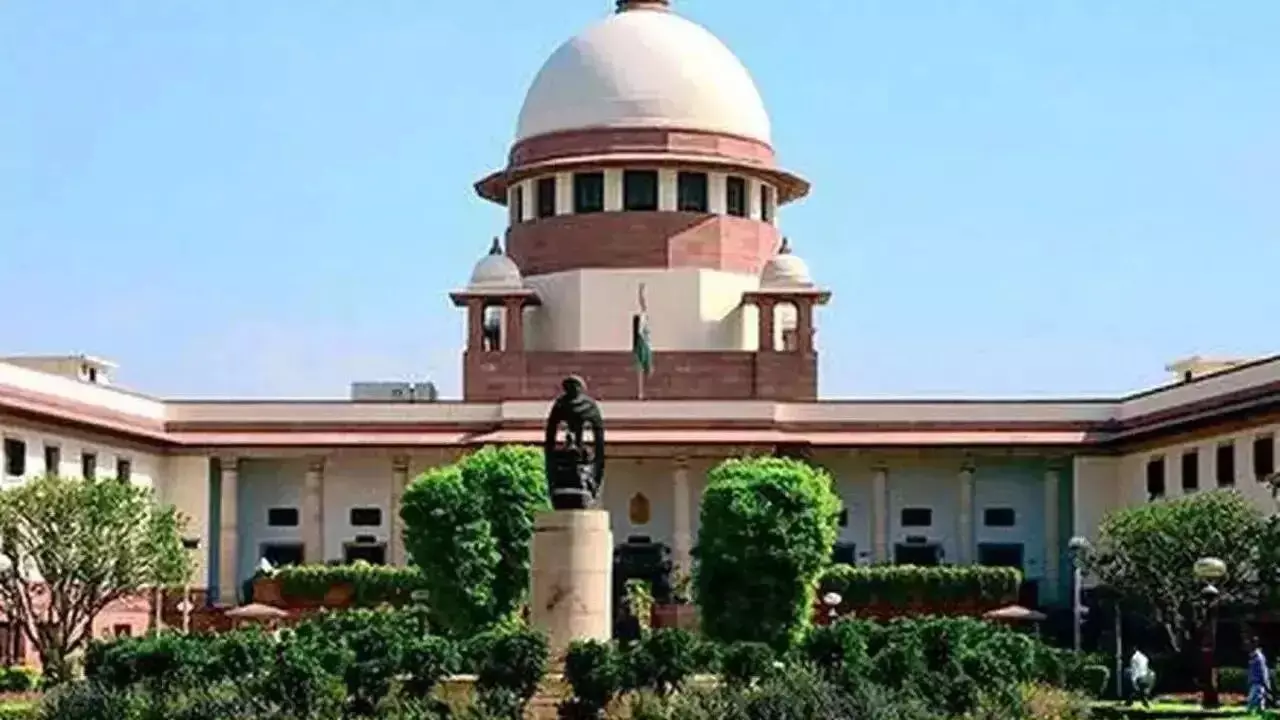
Supreme Court (PC- Social Media)
The Supreme Court has refused to order a court-monitored investigation in the Uttam Nagar Holi killing case, asking the petitioner to first approach police authorities. The court said Delhi Police should be trusted to handle the case. It also allowed the option to move the High Court later if needed, so the door is not fully closed.
What Exactly Happened That Day
The incident took place in Uttam Nagar during Holi celebrations, when a small dispute turned violent very fast. It reportedly started with something as minor as a water balloon issue. But things escalated, people called others, and the situation got out of control.
A 26-year-old man, Tarun Kumar, was attacked while returning home. He was beaten with rods, sticks, and stones. Injuries were severe, especially on the head, and sadly he died during treatment. It’s one of those cases where a small fight turned into something nobody expected.
Why Supreme Court Said No
The bench led by Surya Kant made it clear that police should be approached first. The court even said, why demoralise a professional force like Delhi Police. That line says a lot about their thinking.
They didn’t say the case is not serious. They just said there is already a system, and that should be followed first. Courts usually step in later, not at the first stage, and that’s what happened here too.
What Options Are Still Open
Even though the plea was not accepted, the petitioner still has options. The court allowed them to submit a detailed complaint to the Police Commissioner. That means investigation can still move forward properly.
If they feel nothing is happening, they can go to the Delhi High Court. So it’s not a dead end. It’s more like, follow steps in order, don’t jump directly to the top court.
Mob Lynching Angle Explained
The petition called this a mob lynching case, which makes it more serious legally. It also referred to past Supreme Court guidelines on mob violence. Those guidelines focus on fast action, victim protection, and accountability.
Police have not officially confirmed that angle fully yet. But investigation will decide how the case is treated. Labels matter here, because they affect legal sections applied later.
NHRC Also Steps In
At the same time, National Human Rights Commission has taken notice of the incident. This adds pressure for proper investigation. NHRC asked for a detailed report and preservation of evidence.
They also mentioned that if allegations are true, it could be a violation of human rights. That’s serious. It means authorities need to act carefully and not miss anything.
Family Safety And Compensation Issue
The petition also asked for protection for the victim’s family and compensation of ₹5 crore. These demands are now expected to be taken up with police and local administration first.
Threat perception will be checked by authorities. If needed, security can be given. Compensation depends on legal findings and government policies, so it may take time.
What This Case Tells Us
This case shows how quickly situations can go out of control. A festival moment turned into violence. That’s something we see often, but still don’t take seriously enough.
Also, it shows how legal system works. Not everything goes directly to Supreme Court. There are steps, and each one has its own role. Skipping them rarely works.
What Happens Next Now
Investigation will continue under Delhi Police. Evidence like CCTV, witnesses, and forensic reports will be key. NHRC will also keep watching the progress.
If things move slow or unfair, the case can go to higher courts again. So this is not the end, just a stage in the process. Final truth will come out only after full investigation.
Final Thought You Should Keep
It’s easy to react emotionally in such cases, and that’s normal. But systems are built to handle things step by step. Whether justice comes fast or slow, depends on how properly each step is followed.
For now, focus is on investigation and facts. Noise will be there, opinions will be there, but what matters is evidence. And that takes time, even if we don’t like waiting.