TRENDING TAGS :
Modi’s Israel Visit: Trade Boost and Deeper Cultural Ties Ahead
PM Modi’s two-day Israel visit aims to boost India–Israel trade, defence, agriculture and deepen civilisational ties. BJP calls it a major step for strategic partnership.

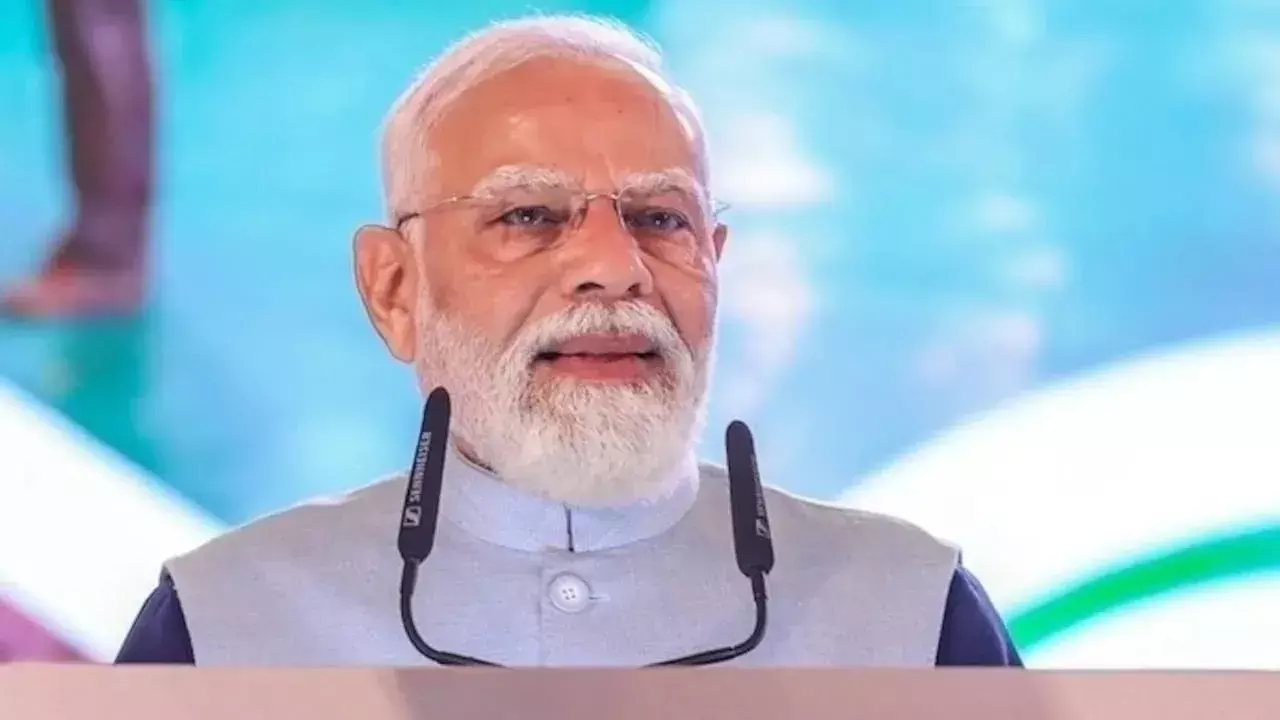
PM Modi (PC- Social Media)
Prime Minister Narendra Modi has begun a two-day visit to Israel to strengthen trade, defence, agriculture and cultural ties between the two nations. BJP leaders say the trip will deepen civilisational bonds and expand the India–Israel Strategic Partnership. The visit includes talks with Prime Minister Benjamin Netanyahu and President Isaac Herzog, along with an address to the Knesset.
The message from New Delhi is simple. This visit matters, both economically and symbolically.
Why This Visit Is Important
India and Israel share what leaders call a robust and multifaceted partnership. Over the years, cooperation has grown in defence, agriculture, water management, science and technology. Trade links too have expanded steadily.
BJP MP Praveen Khandelwal described the two nations as natural allies. He said Israel is eagerly waiting for Modi’s arrival. According to him, the visit will strengthen business ties and also build on shared cultural roots. That civilisational word keeps coming up, and not by accident.
Since Modi became Prime Minister, India’s engagement with Israel has become more visible and open. The relationship is no longer quiet diplomacy. It is public, strategic and forward-looking.
Focus on Trade and Investment
One key aim of the visit is boosting trade and investment. India sees Israel as a strong partner in technology and innovation. Israel sees India as a vast market with growth potential.
Talks are expected to cover sectors like defence manufacturing, agricultural technology, water conservation systems, cybersecurity and startups. These are not small areas. They shape long-term economic growth.
JD(U) spokesperson Neeraj Kumar said India can benefit from Israel’s traditional expertise in agriculture. Israel is known for advanced irrigation systems and desert farming solutions. For a country like India, where farming still supports millions, that knowledge matters deeply.
Strategic and Security Cooperation
Defence cooperation remains a central pillar of India–Israel ties. Over the past decade, joint projects and defence purchases have increased. Security collaboration has also expanded.
BJP spokesperson Syed Shahnawaz Hussain said Modi’s visit will send a positive message to the world. He stressed that relations between the two countries are cordial and have grown stronger in recent years.
Strategic partnerships are not built overnight. They require regular dialogue. This visit is part of that steady process.
Address to the Knesset
During the trip, Modi will meet Israeli President Isaac Herzog. He is also set to address the Israeli Parliament, the Knesset. This will be a significant moment. Parliamentary addresses often symbolise trust and shared democratic values.
In his departure statement, Modi said he looks forward to discussions aimed at strengthening cooperation across many domains. He mentioned science and technology, innovation, defence, trade, water management and people-to-people ties.
Those people-to-people ties are sometimes overlooked. Yet they build lasting connections beyond governments.
Building on the 2017 Visit
This is Modi’s second visit to Israel. His 2017 trip had opened new avenues in defence, agriculture and water management. That visit was considered historic at the time.
Now, the focus shifts to setting new goals for the Strategic Partnership. Both countries are looking at an innovative and prosperous future. The tone feels confident.
BJP MP Naresh Bansal said such foreign visits strengthen bilateral relations and create opportunities for deeper cooperation. Regular engagement, he implied, keeps partnerships alive.
The world today is shifting fast. Alliances are evolving. In that environment, India’s outreach to Israel signals continuity and clarity.
For India, the visit blends trade interests with shared values. For Israel, it reaffirms a strong partnership in Asia. When the meetings conclude, more announcements may follow. But the direction is already clear. The two nations intend to move closer, economically and culturally, in the years ahead.