
TRENDING TAGS :
PM Modi Invited To Tarique Rahman’s Oath Ceremony
PM Modi invited to Tarique Rahman’s oath ceremony on February 17 in Dhaka. Full details on India’s likely representation, guest list, timing, and what it means for India-Bangladesh relations.

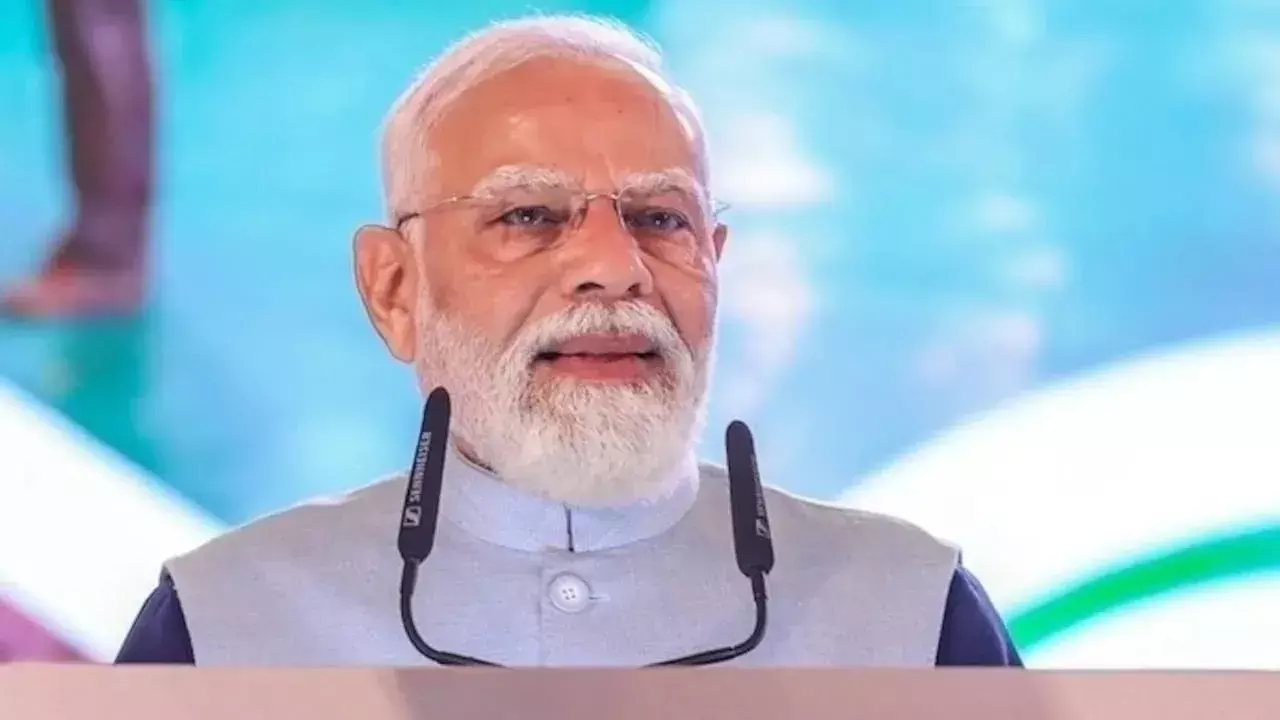
PM Modi (PC- Social Media)
Tarique Rahman will take oath as the next Prime Minister of Bangladesh on February 17 in Dhaka, and Prime Minister Narendra Modi has been formally invited. However, he is unlikely to attend due to prior commitments in Mumbai. India is expected to send a senior representative instead, making the event important for India-Bangladesh relations.
PM Modi Invited To Tarique Rahman’s Oath Ceremony
A major political moment is about to unfold in Dhaka. Tarique Rahman, Chairman of the Bangladesh Nationalist Party, will be sworn in as Prime Minister on February 17. The ceremony will take place at the Southern Plaza of the Bangladesh Parliament House.
Prime Minister Narendra Modi has received a formal invitation. Sources suggest he may not travel to Dhaka because of a scheduled event in Mumbai with French President Emmanuel Macron. Even so, India’s presence at the ceremony is almost certain, just at a different level.
This invitation shows how important India remains in Bangladesh’s diplomatic thinking.
Historic Day For Bangladesh Politics
For the Bangladesh Nationalist Party, often called BNP, February 17 is being described as historic. After a closely watched election, the party is returning to power. Supporters see this as the beginning of a new political chapter.
The day will begin with newly elected Members of Parliament taking their oath. Later, Tarique Rahman will be sworn in as Prime Minister. The oath will be administered by Chief Election Commissioner AMM Nasir Uddin, marking a formal and constitutional transfer of power.
In Dhaka, security is tight. Preparations are almost complete. There is a sense of change in the air, people say.
Who Will Represent India?
While Narendra Modi is unlikely to attend in person, India is expected to send a senior leader. External Affairs Minister Dr S Jaishankar or Vice President CP Radhakrishnan could represent the country.
India’s decision on who attends will be closely analysed. In diplomacy, even small gestures speak loudly. The level of representation matters.
India and Bangladesh share deep historical ties. From trade to connectivity, the relationship has grown steadily over the years. So this ceremony is not just symbolic, it carries real political weight.
13 Countries On The Guest List
The interim government led by Professor Muhammad Yunus has invited heads of government from 13 countries. These include China, Saudi Arabia, Pakistan, Turkey, the United Arab Emirates, Qatar, Malaysia, Brunei, Sri Lanka, Nepal, Maldives, Bhutan, and India.
That’s a powerful guest list. It shows Bangladesh wants to balance relations across the region and beyond.
South Asia will be watching closely. So will global powers with interests in the Bay of Bengal region.
India-Bangladesh Relations Under BNP
In the past, BNP governments have had complex ties with New Delhi. There were moments of tension. There were also phases of cooperation. Now, many are asking what comes next.
Recent statements from BNP leaders suggest a focus on regional stability, trade, and connectivity. They have spoken about working with neighbours. That includes India.
For New Delhi, stability in Dhaka matters. Security cooperation, border management, and economic links are all connected to this relationship.
February 17 could signal the tone for the coming years.
Why February 17 Matters Beyond Dhaka
This ceremony is not just a domestic event. It is a regional signal.
When leaders from across South Asia gather in one place, messages are sent without words. Who attends. Who skips. Who speaks. Every detail counts.
For India, sending a senior representative shows engagement. For Bangladesh, inviting India first shows priority.
The presence of countries like China and Pakistan also adds another layer. South Asia’s geopolitics is rarely simple. It moves in quiet ways.
What Happens On Oath Day
The schedule is clear. First, MPs will take their oath. Later in the day, Tarique Rahman will be sworn in along with his cabinet.
The Chief Election Commissioner will administer the oath. This formal process confirms the new government’s legitimacy.
Crowds are expected. Media from across the region will be present. Dhaka will be in focus for hours.
People in Bangladesh are hoping for economic stability and political calm. That hope is visible, even if cautious.
A New Chapter Begins
With the oath ceremony on February 17, Bangladesh enters a new phase. BNP returns to power. Regional leaders gather. India watches closely.
Prime Minister Modi’s invitation alone shows the importance of India-Bangladesh ties. Even if he does not attend, India’s participation will matter.
Sometimes, politics changes overnight. Sometimes, it shifts slowly. This moment feels somewhere in between.
One ceremony. Many signals. South Asia will remember this day.


