
TRENDING TAGS :
Another Page Turned, Let’s Write Something New
In this thought-provoking New Year reflection, Yogesh Mishra highlights the nation’s persistent social and political failures while presenting a hopeful roadmap for meaningful reform in 2025.
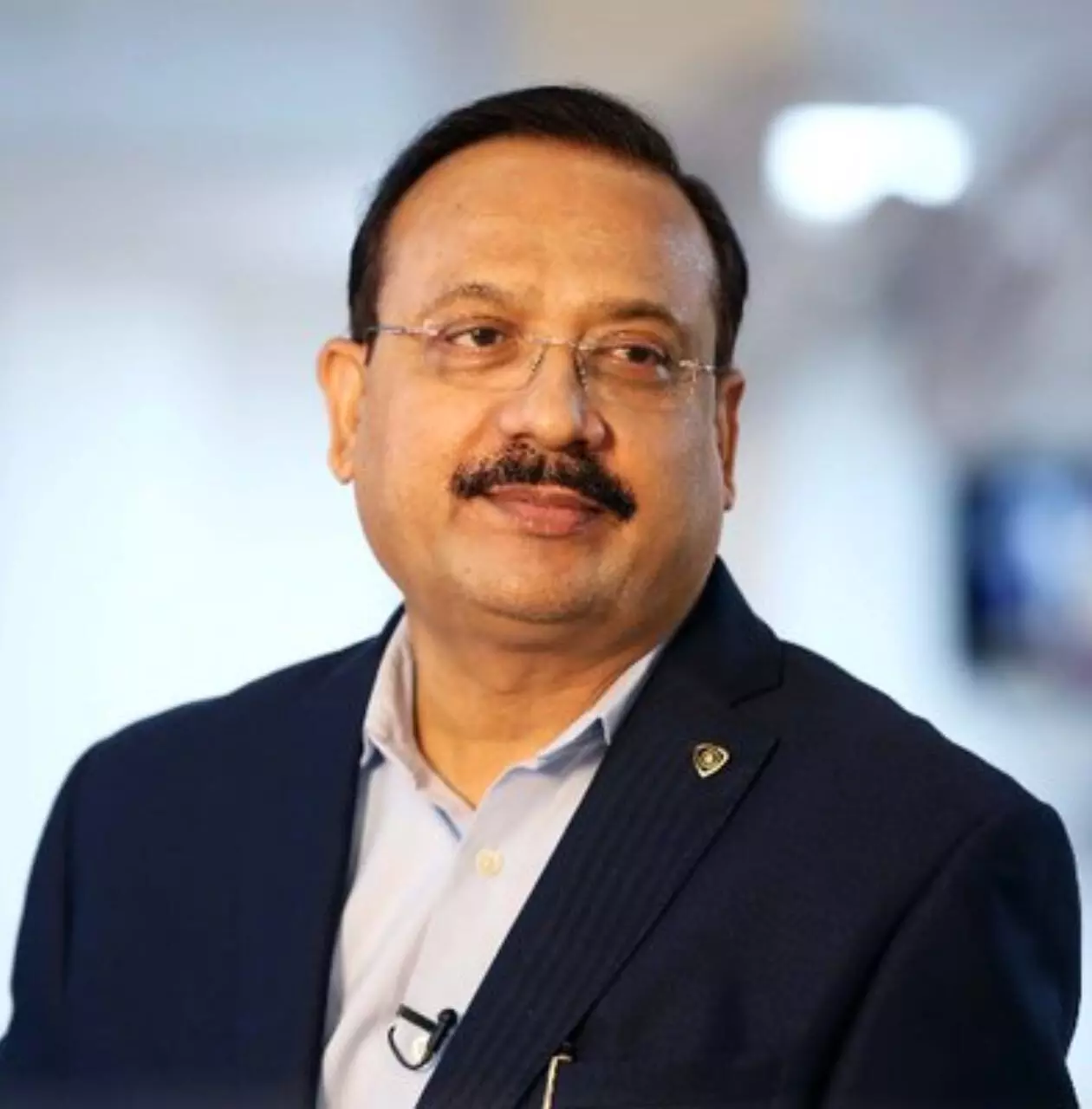

Year (PC- Social Media)
Countless New Years have come and gone in our lives. Each year has likely added something to our personal list of achievements. Though change requires just a moment, we celebrate days and years, often forgetting them as we strive for the next accomplishment. Life doesn’t pause at what’s achieved; it keeps moving forward.
Personal and National Milestones
Achievements aren’t just personal; they belong to society and the nation as well. Like personal milestones, the country should progress from one milestone to the next. The nation is eternal; humans are mortal. The country’s milestones never end. So, what are our nation’s milestones? What achievements do we anticipate in the New Year? Leaving the future aside, what milestones can we currently enumerate?
The truth is, year after year, changes from the country’s perspective are deeply disappointing. The changes that have occurred are merely superficial, affecting only faces, not the nation’s fate. There are no significant milestones.
A Familiar Line That Still Rings True
Why is it that, as a society and a nation, the line from the song “Mausam badle, na badle naseeb” (“The seasons changed, but not our fate”) still fits perfectly?
Years have passed, new ones will come and go, yet we haven’t achieved the milestone of breaking free from the shackles of caste. Instead of moving beyond the need for reservations, we’ve become more entangled in expanding them. We’ve reached the moon but haven’t humanized our police force. We’ve established the Enforcement Directorate (ED) but couldn’t prevent its officials from becoming corrupt. We’re talking about becoming one of the world’s top economies, yet we can’t separate ourselves from the compulsion of distributing free rations to 800 million people. We’ve become a model of democracy globally, but we haven’t achieved the milestone of putting an end to questions about Electronic Voting Machines (EVMs).
Unmet Aspirations of Equality and Justice
Years have passed, but we still haven’t secured equal legal treatment for every citizen, swift justice, dignified travel, local employment, clean air, clean water, equal healthcare, and safe roads.
The Weight of Historical Narratives
For centuries, we’ve been taught and have sung that Valmiki was a Dalit. It’s said that the dacoit Valmiki reformed and became the first poet. Draupadi had five husbands. The Manusmriti is considered the “sin” of Brahmins. Akbar married Jodhabai. Mahatma Gandhi is blamed for the partition of the country. Guru Dronacharya demanded Eklavya’s thumb as a fee to make his disciple Arjuna an unbeatable archer, solely because Eklavya belonged to the Nishad community. Jaichand is labeled a traitor. There are countless such narratives. We’ve neither discerned the truth from fabrication nor moved beyond these worn-out tales.
Disappointments Abound, but Hopes Remain
There are many disappointments, but hopes are infinite. We have expectations from 2025 as well. We haven’t abandoned the desire for achievements.
If Only: A Vision for True Progress
• Our leaders had the courage to review reservations every ten years, as stipulated by the Constitution.
• The creamy layer limit in OBC reservations wasn’t repeatedly increased.
• Some party or leader could specify in how many hundred years reservations would be phased out after satisfying everyone.
• Members of Parliament and Legislative Assemblies became true public servants and accepted only one term’s pension.
• Leaders were required to observe a cooling-off period before switching parties, akin to bureaucrats.
• Parties engaging in caste-based politics were banned.
• Parties and leaders invoking the Constitution refrained from creating or appointing to unconstitutional positions like Deputy Prime Minister or Deputy Chief Minister.
• No one was allowed to contest from reserved seats more than once. After winning or completing a term, they should contest from general seats.
• The term “minority,” which has become synonymous with Muslims, was no longer used, as it doesn’t represent the Constitution either.
• Village panchayat elections were abolished, and district panchayat presidents were elected directly by the people, like mayors.
• Appeasement ended. The practice of winning elections by promising freebies ceased.
• Campaigns against adulteration became a sincere part of the government’s agenda.
• At least one city in the country met all development benchmarks.
• The tradition of pitting great personalities against each other ended.
• Leaders had the courage to acknowledge that 298 others were involved in drafting the Constitution. Dr. Rajendra Prasad was the President of the Constituent Assembly. Dr. Ambedkar’s contributions include the Reserve Bank and the Power Grid.
• Leaders had big hearts and spoke thoughtfully.
• The media had the courage to work on merit beyond agendas, giving less space to absurd statements and actions.
• Children’s dependence on “Uncle Google” decreased. People used mobile phones as tools rather than becoming dependent on them.
• Cricket transformed from an industry back into a sport. Children and youth not only watched sports but also participated in them.
A Hopeful Beginning to 2025
The list of hopes is endless; the only hope is that some of these aspirations are fulfilled this year. 2025 marks the halfway point to the 50-year milestone. Half has already passed, but nothing has changed. It’s our responsibility to preserve and build the remaining half because we are the ones who empowered those who have disheartened the nation. Let’s all resolve to truly make the New Year a new beginning. Best wishes!
(The author is a journalist.)

Gobind Arora
Gobind Arora is a professional news writer and editor with proven expertise in breaking news, viral stories, and high-traffic digital journalism. With years of experience in content creation, he crafts impactful articles that generate millions of views across categories like politics, entertainment, weather, sports, and world affairs. He specializes in SEO-rich headlines, user engagement, and news formats that readers love to share. Known for delivering fast, accurate, and trend-driven news, Gobind ranks among top-performing news content creators. His editing skills ensure clarity, originality, and Google-friendly content that drives massive organic reach. Gobind’s news stories are widely read, deeply trusted, and consistently appear in top search results.


