TRENDING TAGS :
Donation for Tehran: Kashmir’s Drive Grows Amid War, Rises Legal Questions
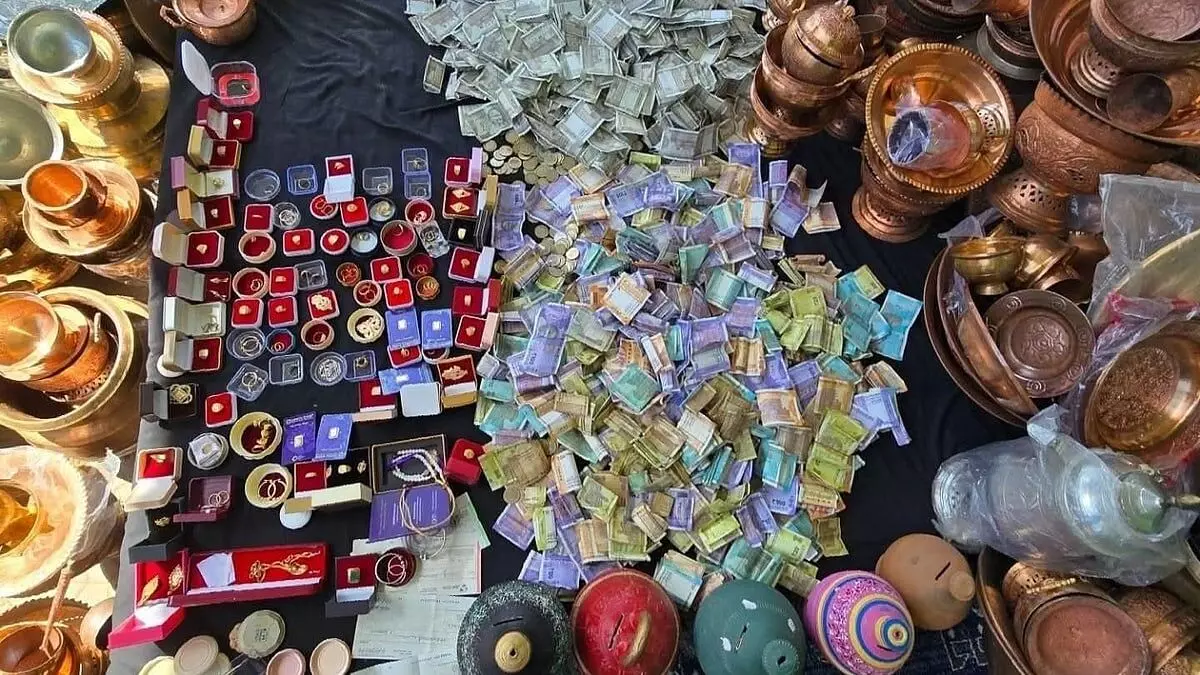
In the shadow of the West Asia conflict, an unusual movement has emerged in Kashmir, where people are reportedly donating gold jewellery, cash, copper utensils, and even livestock to support people affected by the war in Iran.
From mosques to street corners, entire neighborhoods especially in Shia majority areas like Budgam and Baramulla have mobilized, with women, children, and families contributing valuables in a show of solidarity. The donations are tied to the aftermath of the assassination of Ayatollah Ali Khamenei on 28 February 2026, during U.S.-Israel strikes.
In India, Shia communities in Jammu & Kashmir, Lucknow, Delhi and other regions held protests, marches, and mourning gatherings.
The Embassy of Iran in India publicly thanked Indians for their support and encouraged donations through official banking channels. Kashmiri leaders including, Farooq Abdullah and Mehbooba Mufti even visited the embassy to sign condolence messages.
Meanwhile, Imran Raza Ansari of the All Jammu & Kashmir Shia Association said that the community is actively contributing to Iran’s rebuilding, though he also claimed that authorities have sought details about donors and collections.
Iran-Supporting People in India
India has one of the largest Shia populations in the world and an estimated 20 to 30 million shia live in India.
However, an important distinction is that support for Iran is often religious, emotional, or symbolic, especially during crises involving Shia leadership or holy sites.
Are These Donations Allowed?
India has strict laws governing foreign donations. Donation to and from foreign entities are governed by Foreign Contribution Regulation Act. Individuals cannot freely send money abroad for political or conflict-related causes. Donations to foreign entities must go through authorized channels. Informal or unregulated collections may raise concerns about transparency and legality.
Kashmir’s donation drive reflects a powerful mix of faith, geopolitics, and humanitarian concern. But as gold and cash flow in, so do legal questions and security scrutiny.