TRENDING TAGS :
Empowering Champions at Haryana's Virender Akhara
In Virender Akhara's rings, Chahal's engagement wasn't merely symbolic, it was a clarion call, aligning local grit with national aspiration, one takedown at a time.
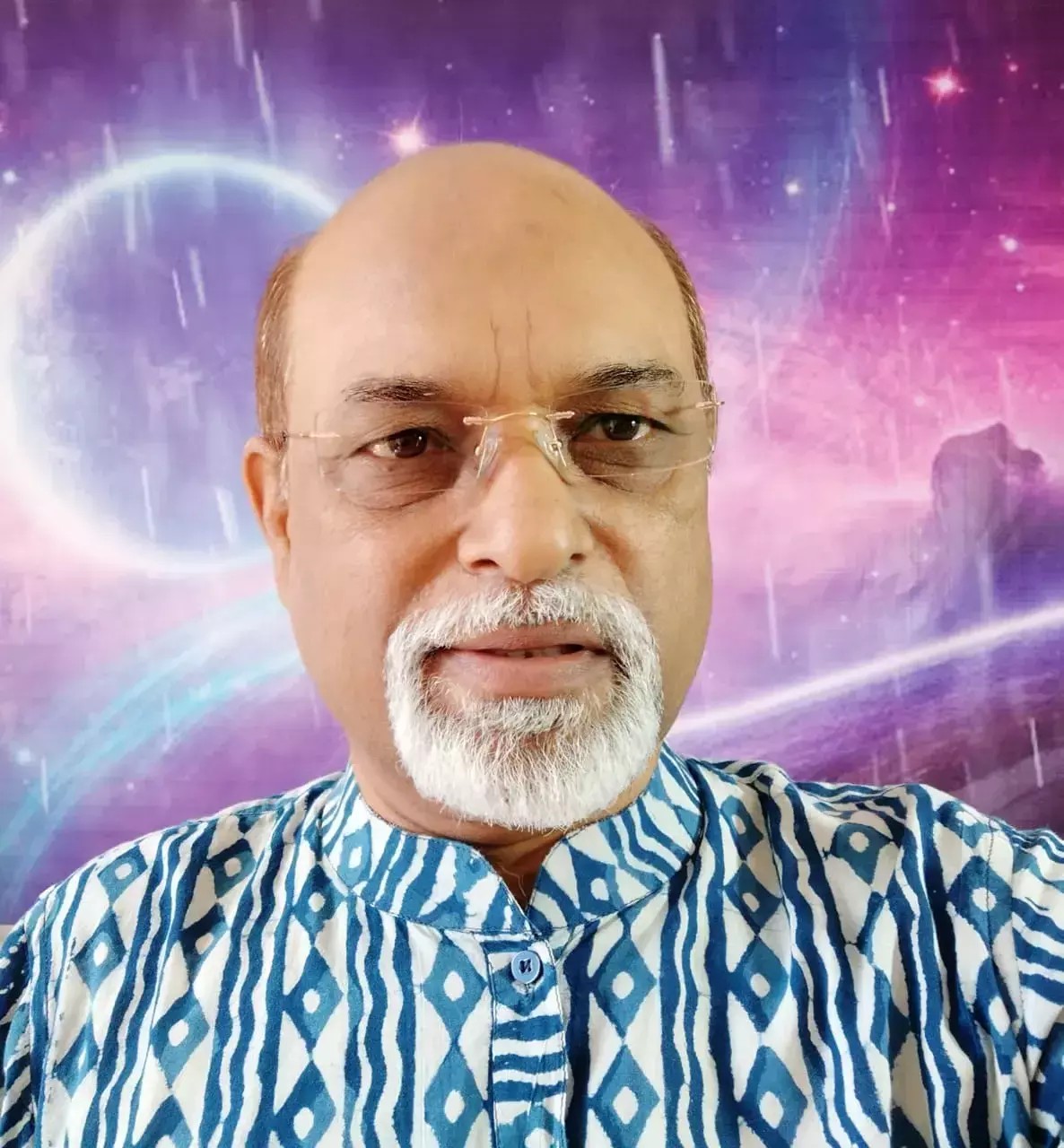
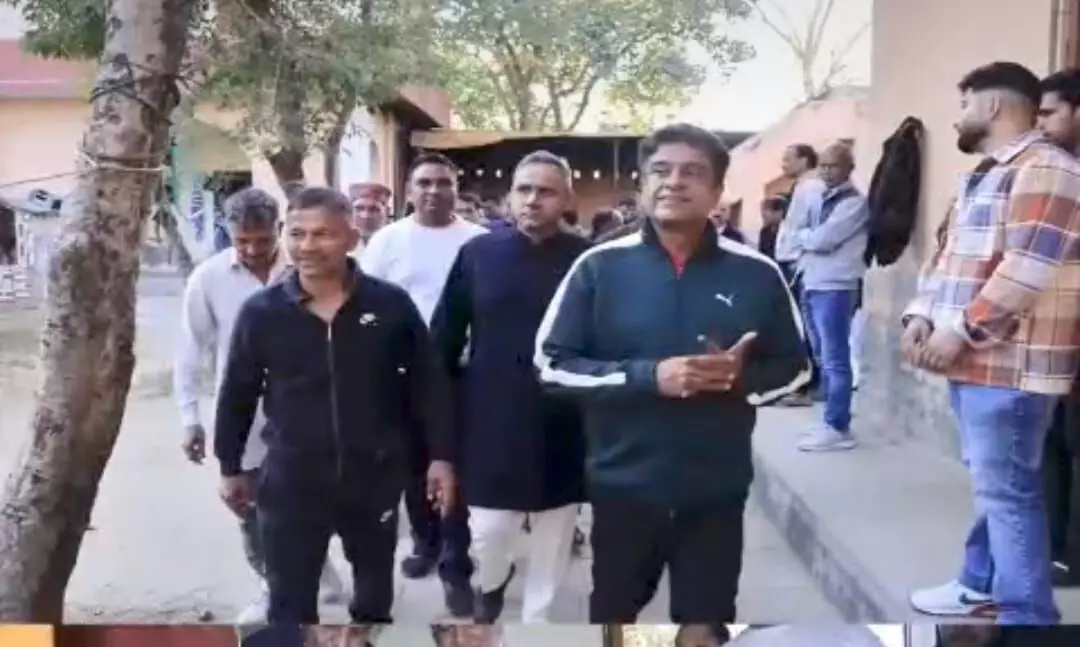
In a heartfelt nod to Prime Minister Narendra Modi's transformative sports agenda, NDMC Vice Chairman Kuljeet Singh Chahal visited the akhara of Virender Akhara in Chhara village, Jhajjar. This iconic wrestling hub, a cradle for India's budding grapplers, stands as a testament to the nation's unyielding spirit in combat sports, molding raw talent into contenders for the world's grandest arenas.
The visit unfolded amid the rhythmic thuds of practice bouts and the determined grunts of aspiring athletes, with Head Coach and Arjun Awardee Virender Dahiya, alongside Dushyant Lather, guiding a vibrant cohort of trainees. As Chahal immersed himself in the akhara's energy, young wrestlers opened up about their journeys, stories of rigorous drills forging resilience and simulated international bouts sharpening their edge for glory.
Chahal underscored how disciplines like wrestling not only sculpt physical prowess but also forge unbreakable character, instill lifelong discipline, and shield the younger generation from societal pitfalls.
Chahal huddled with several promising wrestlers, offering words of wisdom on perseverance and focus. "Dream big, train harder, and let dedication be your greatest ally," he urged, his encouragement resonating like a coach's halftime pep talk. He extended high praise to Dahiya, Lather, and the akhara's dedicated staff, lauding their role in delivering elite training environments that rival global standards.
A key highlight was Chahal's rundown of pivotal national programs breathing life into grassroots sports. He spotlighted the Fit India Movement and Khelo India initiatives, which scout hidden gems across the country, bolstering them with cutting-edge infrastructure, expert mentorship, and vital financial backing.
Haryana's storied legacy in wrestling, a powerhouse of Olympic triumphs and continental accolades, found fresh reverence in Chahal's address. Institutions like Virender Akhara, he noted, are the beating heart of this heritage, kindling the fire in countless youths to lace up and step into the ring. The center itself boasts an illustrious alumni roster, with its protégés clinching medals at the Asian Games, Commonwealth Games, and even the Olympics, etching India's name in sporting lore.
On a broader canvas, Chahal illuminated the dual thrust of central and state governments in revolutionizing sports ecosystems nationwide. From state-of-the-art stadiums in remote hamlets to urban academies equipped with sports science labs, the emphasis remains on empowering the underrepresented—youth from modest means, women breaking barriers, and talents from the margins.
As the session wrapped, Chahal expressed profound gratitude to the akhara's custodians for their tireless guardianship of wrestling's future.
In Virender Akhara's rings, Chahal's engagement wasn't merely symbolic, it was a clarion call, aligning local grit with national aspiration, one takedown at a time.
As India eyes its next medal haul, visits like this remind us: true excellence blooms where vision meets sweat. Under Modi's blueprint, the akharas of Haryana are not relics of tradition but launchpads for a sporting superpower.