TRENDING TAGS :
Traditional Indian Games Played During Holi
Discover traditional Indian games played during Holi, from Lathmar Holi to Rang Panchami fun, and learn how these vibrant activities make the festival of colors even more joyful and meaningful.

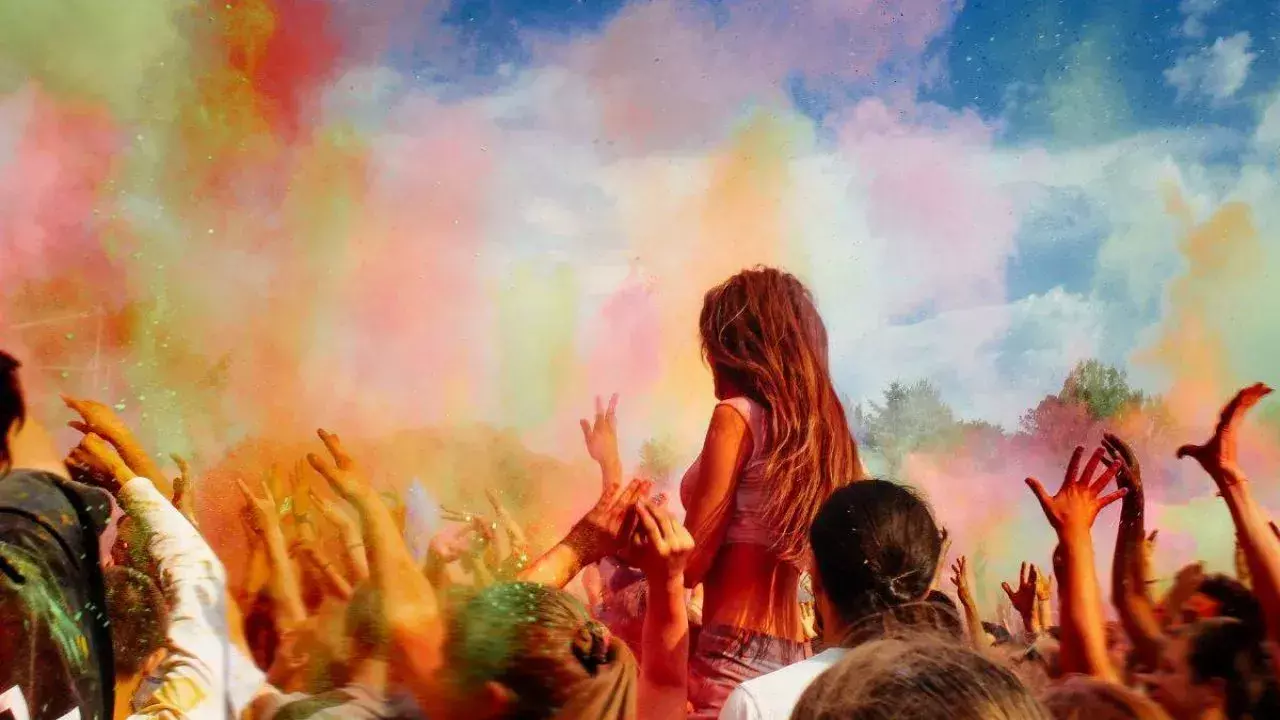
Holi (PC- Social Media)
Traditional Indian games played during Holi are not just for fun, they bring people together, break social barriers, and keep old customs alive. From Lathmar Holi in Barsana to tug of war in villages, these games mix laughter, light teasing, and community spirit. They turn Holi from a color-throwing day into a full celebration of culture. Without these playful traditions, Holi would feel incomplete.
Why Games Are a Big Part of Holi
Holi is already loud and colorful. But games add that extra spark. They create friendly competition. They make strangers talk. Sometimes they even end old fights.
In many Indian villages, Holi was the only time when everyone came out freely. No formalities. No strict rules. So games became a way to bond. People laughed more. Teased more. Forgave more.
Even today, you will see that Holi games are not planned like modern event activities. They happen naturally. Someone throws a challenge, others join, and soon the whole street is involved.
Lathmar Holi: The Most Famous Playful Battle
One of the most talked-about Holi traditions is Lathmar Holi of Barsana and Nandgaon in Uttar Pradesh. It looks serious from outside, but it is playful at heart.
According to legend, Lord Krishna visited Radha’s village and teased her friends. In response, the women chased him away with sticks. That story turned into a yearly tradition.
During Lathmar Holi, men from Nandgaon visit Barsana. Women greet them with sticks, and the men protect themselves with shields. It feels dramatic. The crowd cheers loudly. Colors fill the air.
Nobody is truly angry. It’s a symbolic game. A mix of humor, tradition, and controlled chaos.
Matki Phod: Breaking the Pot with Cheer
In some regions, especially in parts of North India and Maharashtra, Matki Phod becomes part of Holi celebrations too.
A clay pot filled with colored water or sweets is hung high. Young boys form human pyramids to break it. Water splashes everywhere. People shout and clap.
This game tests balance and teamwork. It is risky sometimes, but that thrill is what excites the crowd.
Though Matki Phod is more famous during Janmashtami, many communities include it during Holi gatherings as well, adding a sporty touch to the festival.
Tug of War: Simple Yet Powerful
In rural India, tug of war during Holi is very common. No fancy equipment needed. Just a thick rope and two teams.
Men versus men. Women versus women. Sometimes even mixed teams.
The ground gets slippery because of water and colors. People fall. They laugh. They get up again.
It may look like a small game, but it builds team spirit. It also releases energy. After all that dancing and color throwing, a physical game feels refreshing.
Rang Panchami Street Challenges
In Madhya Pradesh and parts of Maharashtra, Rang Panchami is celebrated a few days after Holi. On this day, playful street games continue.
Groups challenge each other in friendly color fights. Who can cover the other team first. Who dances longer without stopping. Who sings better folk songs.
There are no trophies. Just pride and laughter.
These small competitions keep the festive mood alive for days.
Folk Singing Duels
In Uttar Pradesh and Bihar, Holi is incomplete without Holi geet, traditional folk songs.
Sometimes, groups of men sit facing each other and sing in turns. It becomes like a musical duel. Each side tries to outdo the other with clever lyrics and strong voice.
Women have their own singing circles too. The lyrics often include playful teasing, social satire, and references to Lord Krishna.
This may not look like a game in the usual sense, but it carries the same spirit of fun competition.
Color Splash Races
In some towns, children organize small races. The twist is simple. Participants must carry colored water in small buckets and reach the finish line without spilling much.
It sounds easy. It is not.
The roads are wet. People push playfully. Someone throws color suddenly. Everyone ends up drenched anyway.
Still, these silly games create memories. And that’s what matters.
Mud Holi in Villages
In certain villages of Uttar Pradesh and Haryana, people celebrate a rustic version of Holi using mud instead of only colors.
After playing with gulal, some groups move to open fields. They splash muddy water on each other. It feels raw. Unfiltered.
Outsiders may find it strange. But for locals, it is pure joy. It connects them to the earth, to farming roots.
There is freedom in getting dirty without worry.
Dance Circles and Spontaneous Competitions
Music plays a huge role in Holi. Dhol beats echo through streets.
Often, people form dance circles. One person enters the center and shows their best moves. Then someone else replaces them.
It turns into an unplanned dance competition. No judge. No stage. Just cheers deciding who impressed more.
Old uncles, shy teenagers, small kids. Everyone participates. And nobody really loses.
Water Balloon Battles
In cities, especially among young people, water balloon fights are common.
Friends divide into teams and attack from rooftops or balconies. The goal is simple. Surprise the other team.
It sometimes creates arguments too. But most times, it ends in laughter.
Though modern in style, this game has become part of urban Holi culture.
Holi Mela Competitions
Many towns organize Holi melas. Small fairs with stalls and open grounds.
Here, traditional games like sack races, spoon races, and even kabaddi matches are held. Children eagerly join. Adults pretend they are not serious, but they are.
Winning in a mela competition during Holi brings local fame, at least for a few days.
These fairs combine festival shopping, food, and playful contests in one place.
The Spirit Behind These Games
All these games, whether old or slightly modern, share one purpose. They remove barriers.
During Holi, social status fades. You can tease your neighbor without offense. You can splash color on your boss. You can laugh loudly without someone judging.
Games make this possible. They create safe space for expression.
In many Indian homes, elders say Holi is the time when grudges should end. Playing together helps that happen naturally.
How Traditions Are Changing
Yes, things are different now. Some games are fading in big cities. Safety concerns have increased. People prefer organized events.
But in small towns and villages, traditions remain strong. Lathmar Holi still draws crowds. Folk singing still continues till late night.
Even urban communities are trying to revive traditional games during Holi society celebrations.
People are slowly realizing that festivals are not just about photos and social media posts. They are about participation.
Why These Games Matter Today
In a world where most entertainment is on screens, traditional Holi games feel refreshing.
They make people step outside. They create real human interaction.
Children learn teamwork. Adults reconnect with childhood.
And honestly, there is something healing about laughing together in open air, covered in color, without worrying how you look.
Final Thoughts
Traditional Indian games played during Holi are more than just fun distractions. They carry history. They carry stories of Krishna and Radha. They carry village memories and family bonds.
From Lathmar Holi’s playful stick fights to simple tug of war matches in muddy fields, each game adds life to the festival.
Holi without these playful traditions would feel half done. Because at its heart, Holi is not only about colors. It is about connection, laughter, and shared joy that stays long after the colors fade from skin.