TRENDING TAGS :
Claude AI Faces Pentagon Deadline: What’s Really Happening?
Claude AI maker Anthropic faces U.S. Defense Department deadline over military use. Here’s what the Pentagon ultimatum means for AI safety and national security.

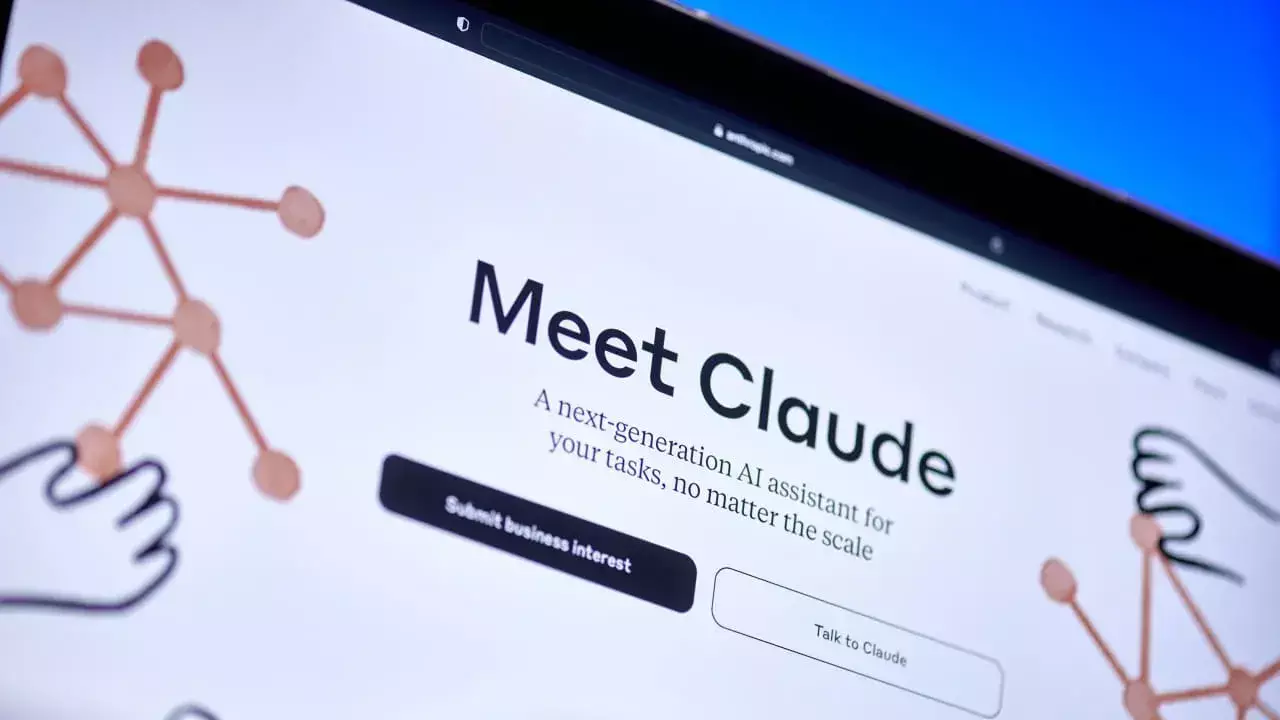
Claude AI (PC- Social Media)
The U.S. Defense Department has given Anthropic, the company behind Claude AI, a Friday deadline to allow unrestricted military use of its technology. If it refuses, the Pentagon may force compliance under the Defense Production Act. The clash is mainly about surveillance and autonomous weapons. Anthropic does not want its models used for mass surveillance of U.S. citizens or fully autonomous weapons systems.
Why The Pentagon Issued A Deadline
The deadline came after a meeting between Anthropic CEO Dario Amodei and U.S. Defense Secretary Pete Hegseth at the Pentagon. Officials later confirmed that the company must agree to unrestricted military use of its AI tools by Friday evening. If not, the government may invoke the Defense Production Act.
This law gives the federal government strong powers. It allows officials to direct private companies to prioritize national security needs. It was last widely used during the COVID-19 pandemic. Now, it could be used again, but for artificial intelligence.
What Anthropic Is Refusing
Anthropic says it wants to support national security. But it also wants limits. The company has clearly stated it will not allow Claude models to be used for mass surveillance inside the United States. It also does not want its systems powering fully autonomous weapons.
That is the core disagreement. The Pentagon believes legality is its responsibility as the end user. Anthropic believes AI developers must draw ethical lines. Both sides say they are acting responsibly. Yet the tension is real.
The Bigger AI Contract Battle
Anthropic was part of a $200 million military AI contract last year. Other companies were included too. The Pentagon has already cleared Grok, developed by Elon Musk, for classified use. Officials also signaled that OpenAI and Google are close to receiving similar approvals.
This increases pressure. If competitors move ahead, Anthropic risks losing influence and contracts. The Pentagon also warned it could label Anthropic a supply chain risk. That tag is serious. It can damage reputation and block future government work.
Why Claude AI Was Built Differently
Anthropic was founded in 2021 by former OpenAI employees. The company’s goal was clear from day one. Build advanced AI, but focus deeply on safety and alignment. That philosophy now places it in direct conflict with military demands.
Claude AI is known for cautious responses and strong usage policies. Many users trust it for that reason. But when national security enters the room, those policies are being tested hard.
National Security Vs AI Ethics
This dispute is bigger than one company. It raises tough questions. Should AI companies decide how their models are used? Or does the government have final authority in matters of defense?
There was also confirmation of discussions involving intercontinental ballistic missiles. That alone shows how sensitive the applications could be. These are not small tools. These systems may influence global security.
Some argue AI must serve national defense without restriction. Others say guardrails are necessary, especially when surveillance or autonomous weapons are involved. Both arguments carry weight. Neither side looks simple.
What Happens Next
If Anthropic agrees to the Pentagon’s terms, Claude AI could be used without the current restrictions. If it refuses, the government may act under emergency powers. Either way, this moment may shape how AI companies interact with governments in the future.
The deadline is not just about one chatbot. It is about control, responsibility, and trust. And honestly, the outcome could set a model for every major AI firm moving forward.