TRENDING TAGS :
Indian Scientists Build One Device That Captures and Stores Solar Power
Indian scientists have created a single-unit solar device that captures and stores energy together, cutting costs, reducing losses, and opening new doors for clean power in everyday and remote use.

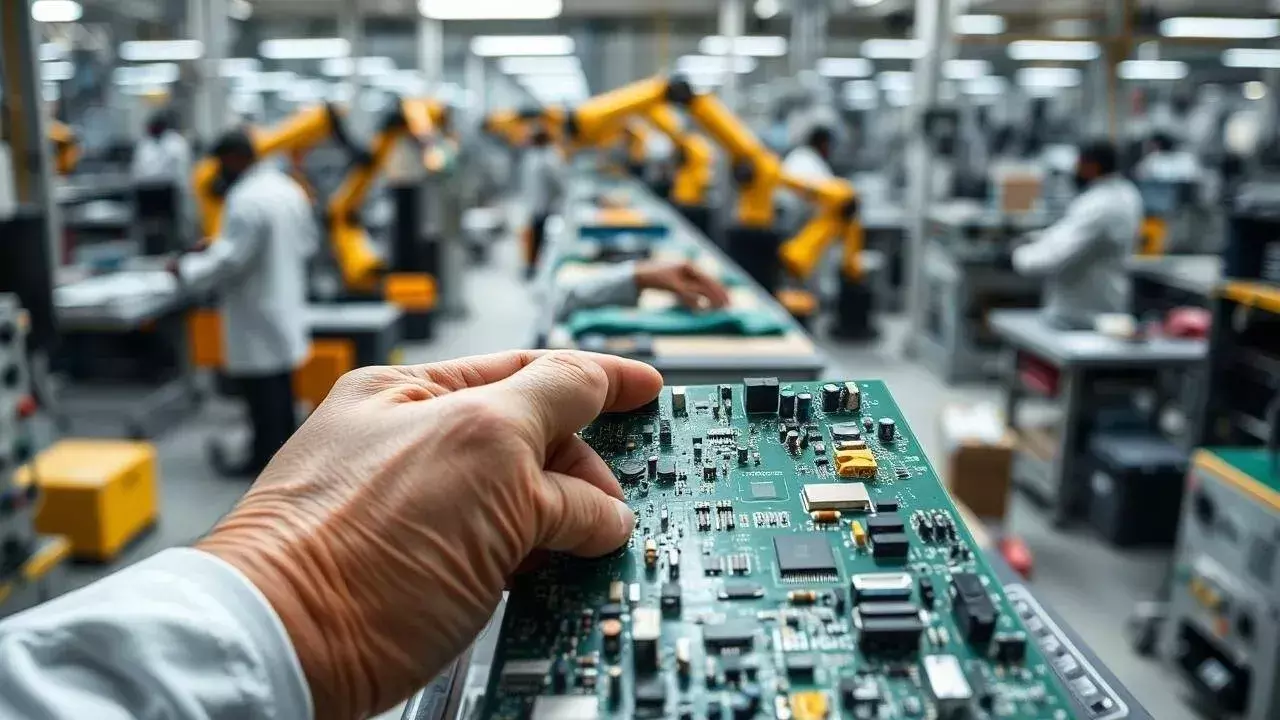
Tech (PC- Social Media)
ndian scientists have developed a single device that captures sunlight and stores energy at the same time. This new system removes the need for separate solar panels and batteries. It lowers cost, cuts energy loss, and supports clean power use even in places with no electricity access.
A Big Shift in Solar Energy Design
This new technology comes from scientists working under the Department of Science and Technology. The device is called a photo-rechargeable supercapacitor. It can harvest solar energy and store it in one compact unit. Traditional solar setups always need two different systems. One collects energy, the other stores it. That setup adds complexity and waste.
With this new approach, energy flows directly into storage. No extra conversion stages. Less loss. Fewer components. The idea is simple but powerful.
Why Older Systems Had Limits
Conventional solar systems depend on power management electronics. These parts control voltage and current differences between the panel and the battery. While useful, they increase system size and cost. They also make mini devices harder to build.
For wearables, sensors, and small gadgets, this becomes a serious problem. Bigger systems are not practical. The new device avoids this issue by combining both jobs in one material structure.
The Science Behind the Device
The research team from the Centre for Nano and Soft Matter Sciences in Bengaluru used nickel-cobalt oxide nanowires. These nanowires were grown directly on nickel foam. No binders were used, which improves performance.
Each nanowire is extremely thin, only a few nanometres wide. Yet they are several micrometres long. Together, they form a porous three-dimensional network. This structure absorbs sunlight efficiently and stores electric charge at the same time.
Because of this design, the same material works as a solar collector and a supercapacitor electrode. That is the real breakthrough here.
Strong Performance in Real Conditions
When tested, the device produced a stable voltage of 1.2 volts. It retained 88 percent of its energy storage ability even after 1,000 photo-charging cycles. This shows strong durability.
The device also worked under different light levels. It performed well in low indoor light and under strong sunlight. That flexibility matters for daily use. It means the system does not depend only on perfect weather.
The nanowire network handled mechanical and chemical stress without major damage. That suggests long life and reliability.
Why This Matters for Everyday Life
This technology can power small electronics without batteries. Think wearable devices, portable sensors, and smart tools. It is also ideal for remote areas where grid power does not exist.
A self-charging system reduces reliance on fossil fuels. It also cuts battery waste, which is a growing environmental issue. For villages, disaster zones, and field research, this kind of device could be very useful.
A Step Toward Cleaner Energy Future
India is pushing strongly toward renewable energy. Innovations like this support that goal. A low-cost, eco-friendly energy storage solution helps scale clean power faster.
This single-unit solar device shows how advanced materials and smart design can solve real problems. It may not replace large solar plants yet, but for small, independent systems, it changes the rules.
The future of solar energy is not just about collecting sunlight. It is about using it smartly, storing it cleanly, and making it available anywhere. This new device moves one step closer to that future.