TRENDING TAGS :
India’s Solar Power Boom: Capacity Touches 136 GW Milestone
India’s solar capacity reaches nearly 136 GW, almost half of the country’s renewable energy power. Here is how solar growth is reshaping India’s clean energy future.

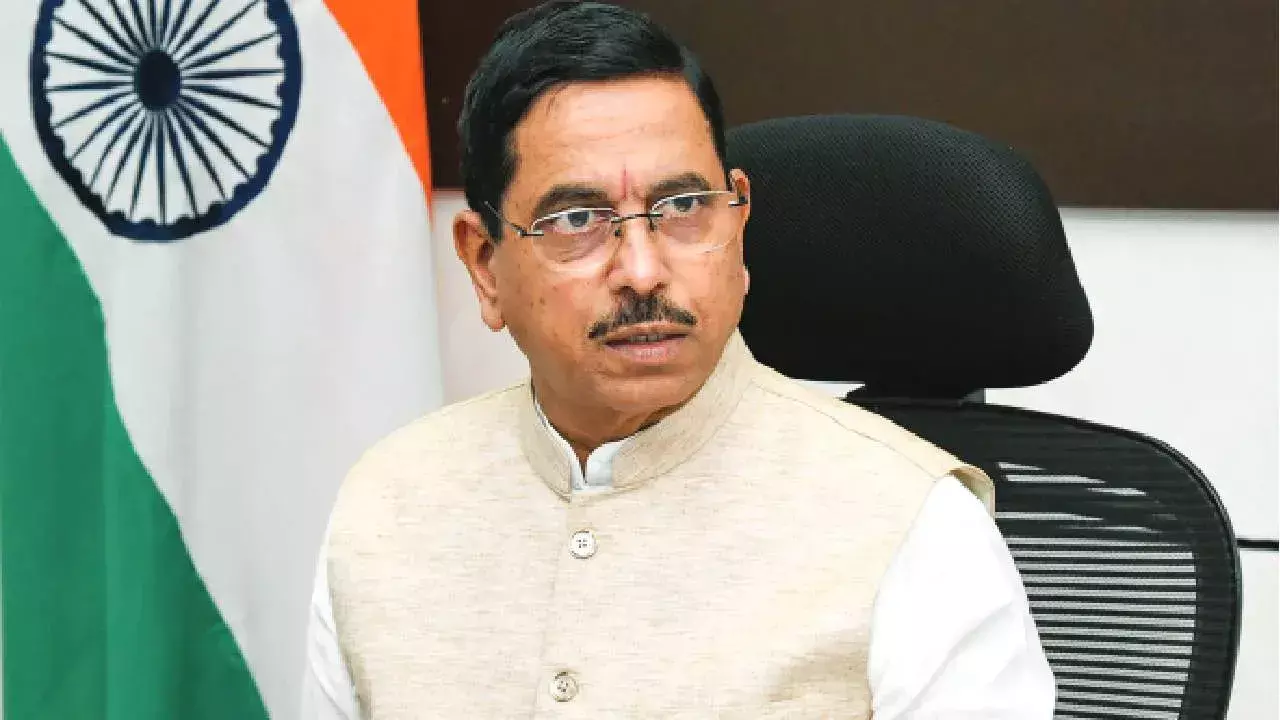
Pralhad Joshi (PC- Social Media)
India’s installed solar power capacity has reached nearly 136 gigawatts, and that alone makes up almost half of the country’s total renewable energy capacity. The announcement came from Union Minister Pralhad Joshi while speaking at the International Solar Alliance Foundation Day event in New Delhi. The milestone shows how quickly solar energy is expanding in India, and also why the country is becoming one of the biggest clean energy players in the world.
Solar power, once seen as a slow alternative, is now becoming a major part of India’s electricity mix. Government schemes, global partnerships and falling solar panel costs all played a role in this growth.
India’s Solar Capacity Growth Over the Years
The solar journey in India has been quite interesting. Ten or fifteen years ago, solar electricity in the country was still in early stages. Projects were small, adoption was slower, and technology costs were high.
But things changed steadily. Government policy support and rising climate concerns pushed investment into renewable energy. Solar plants started appearing across states like Rajasthan, Gujarat and Tamil Nadu.
A quick look at solar capacity growth shows how fast things moved.
| Year | Installed Solar Capacity |
|---|---|
| 2014 | Around 3 GW |
| 2018 | Around 26 GW |
| 2022 | Around 60 GW |
| 2024 | Around 90 GW |
| 2026 | Nearly 136 GW |
This rise is quite dramatic actually. In a little more than a decade, solar power jumped from just a few gigawatts to well over hundred.
Why Solar Energy Is Growing So Fast
Solar energy is attractive for many reasons. India receives sunlight for most months of the year. That natural advantage helps in building large solar parks and rooftop systems.
Another factor is technology cost. Solar panels today cost much less than before. Energy produced through solar farms is now cheaper than several conventional power sources.
The government also pushed several schemes. These programmes made solar electricity more accessible for households, farmers and industries.
| Key Drivers | Impact |
|---|---|
| Government solar schemes | Increased installations |
| Lower solar panel cost | Cheaper electricity generation |
| Global climate goals | More clean energy investments |
| Private sector participation | Faster project development |
All these pieces together slowly created a solar boom across the country.
Government Schemes Powering Solar Expansion
Two major government initiatives have played a big role in taking solar power directly to people.
One of them is PM Surya Ghar Muft Bijli Yojana. Under this programme, households install rooftop solar panels and generate their own electricity. Families can reduce their electricity bills and sometimes even supply extra power to the grid.
Another key initiative is PM-KUSUM scheme. This scheme focuses mainly on farmers. Solar-powered irrigation pumps help farmers reduce diesel usage and save money on electricity as well.
| Scheme | Main Benefit |
|---|---|
| PM Surya Ghar Muft Bijli Yojana | Rooftop solar electricity for homes |
| PM-KUSUM | Solar irrigation for farmers |
These programs are not just about energy. They help households lower expenses and make farming more sustainable.
Role Of International Solar Alliance
The International Solar Alliance, often called ISA, is another important part of the story. The alliance was launched in 2015 during the climate conference in Paris by India and France.
Today more than 120 countries are part of this initiative. The aim is simple, but powerful. Expand solar power across the world, especially in developing nations where energy demand is rising fast.
Through partnerships, funding and technology sharing, the alliance helps countries adopt solar solutions faster.
Solar energy used to be limited mainly to wealthy countries. But now developing regions in Asia, Africa and Latin America are becoming major solar adopters.
Global Solar Growth Is Speeding Up
Energy experts often point to an interesting fact. It took almost twenty five years for the world to install the first 1,000 gigawatts of solar capacity.
The next 1,000 gigawatts is expected to arrive much faster. Solar installations are increasing every year because governments and companies are pushing clean energy targets.
India is likely to remain one of the key countries driving this expansion. With rising electricity demand and strong sunlight availability, the opportunity is huge.
For many communities, solar power already changed daily life. Villages that once struggled with electricity now run schools, homes and irrigation pumps using sunlight. That shift is small maybe, but powerful. And it keeps growing every year.