
TRENDING TAGS :
Musk Slams Anthropic As Pentagon Tensions Explode
Elon Musk attacks Anthropic as Pentagon calls CEO Dario Amodei over Claude AI military use. Here’s what happened and why it matters.

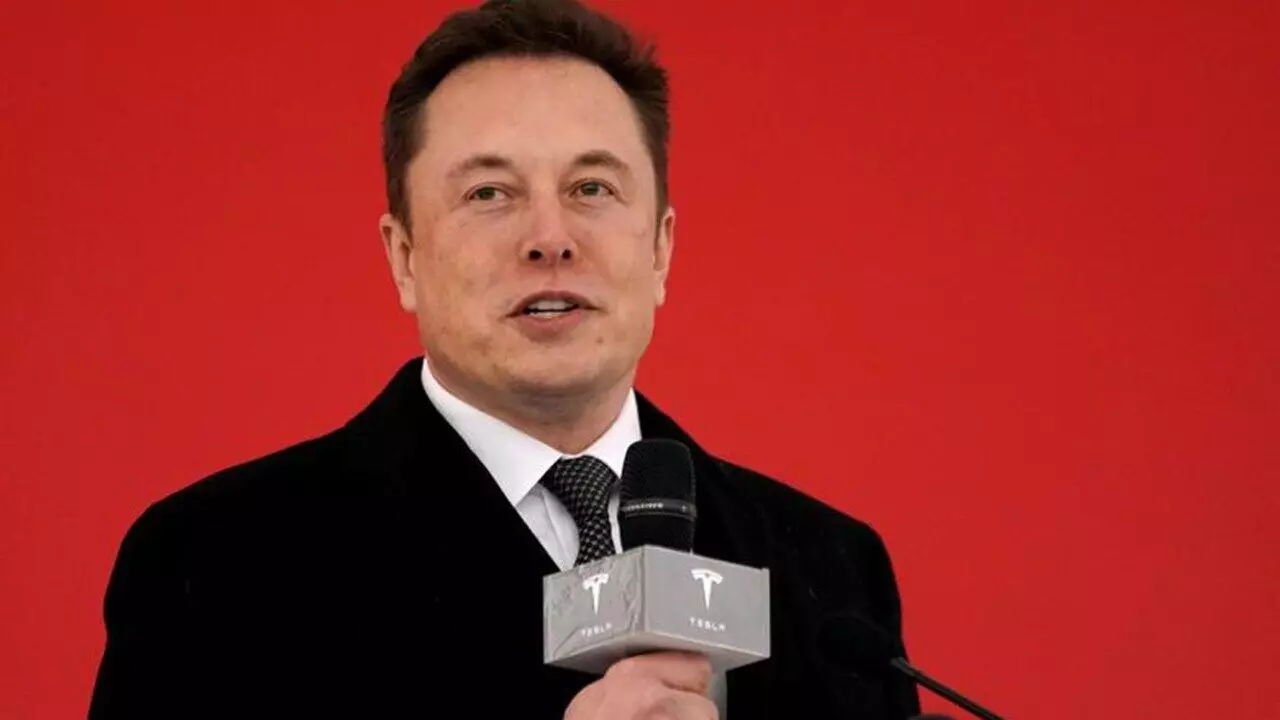
Elon Musk (PC- Social Media)
Elon Musk publicly attacked Anthropic just as the Pentagon reportedly called its CEO Dario Amodei for a tense meeting over military use of Claude AI. The US Defence Secretary pushed the company to loosen restrictions on its AI model, but Anthropic refused. At the same time, Musk accused the firm of stealing training data on a massive scale. The clash now puts one of the biggest AI defense contracts under pressure.
Why The Pentagon Called Anthropic’s CEO
According to reports, US Defence Secretary Pete Hegseth summoned Anthropic CEO Dario Amodei to the Pentagon for what officials described as a high-stakes meeting. It was not friendly, insiders claimed. The reason was simple but serious.
Claude, Anthropic’s AI system, is currently the only AI model operating inside classified US defence networks. The deal is worth around 200 million dollars under a pilot contract signed last year. That is not small money. That is serious national security territory.
In January, Hegseth reportedly asked AI firms to renegotiate contracts and remove certain restrictions. The Pentagon wants fewer guardrails. Faster deployment. Broader capability.
Anthropic did not agree.
What Claude AI Refused To Change
Claude has built-in safeguards. These include limits on mass surveillance of Americans and restrictions on building fully autonomous weapons. Anthropic chose not to lift these protections, even under Pentagon pressure.
This refusal reportedly frustrated defence officials. Some even warned the company could be labelled a supply chain risk. That label could cancel contracts and block other Pentagon partners from using Claude.
Still, replacing Anthropic would not be easy. Claude is deeply integrated into defence systems already. Swapping it out is complex and risky.
So the tension grows.
Musk Enters The Fight
While this Pentagon drama was unfolding, Elon Musk jumped into the debate. On X, he accused Anthropic of stealing training data at massive scale. He claimed the company had paid multi-billion dollar settlements for what he described as theft.
He even mocked the company by calling it MisAnthropic.
Strong words. Very public.
Musk’s own AI company, xAI, has signed agreements with the Pentagon. Reports also suggest Google is close to finalising a deal to supply its Gemini AI model for defence use. That increases competitive pressure on Anthropic.
This is not just ethics. It is business. Big business.
The Bigger AI Power Struggle
Behind this conflict is a much larger battle. Who controls military AI in the United States? Who sets the ethical boundaries? And how far should AI go in warfare?
Anthropic positions Claude as a safe, secure, and responsible AI assistant. It can automate legal reviews, compliance checks, financial reconciliation, sales planning, and more. In defence networks, those tools matter. Speed matters. Accuracy matters.
But once AI enters military systems, the questions become heavier. Surveillance. Autonomous weapons. Decision-making power. Those are not small topics.
The Pentagon appears to want more flexibility. Anthropic wants to keep limits in place. Musk, meanwhile, is challenging the company’s credibility entirely.
Why This Matters Right Now
AI is no longer just about chatbots helping with homework. It is embedded in defence networks. It influences national security. Contracts are worth hundreds of millions. Maybe billions later.
If Anthropic is pushed out, competitors like xAI or Google could step in. If safeguards are weakened, debates over AI ethics will intensify. If Musk’s accusations gain traction, trust in AI firms could shift fast.
This moment shows how quickly technology, politics, and power collide. One tense meeting at the Pentagon. One viral post on X. And suddenly, the future of military AI looks uncertain.
The real question is not who wins this argument. It is who defines the rules of AI in warfare before it moves too far ahead.


