
TRENDING TAGS :
Welcome to Lucknow, the ‘Creative City of Gastronomy’
Lucknow, the City of Nawabs, has been honoured by UNESCO as a Creative City of Gastronomy. Discover the story behind its rich Awadhi culinary heritage, from royal kitchens to street delicacies that continue to define its timeless flavour.

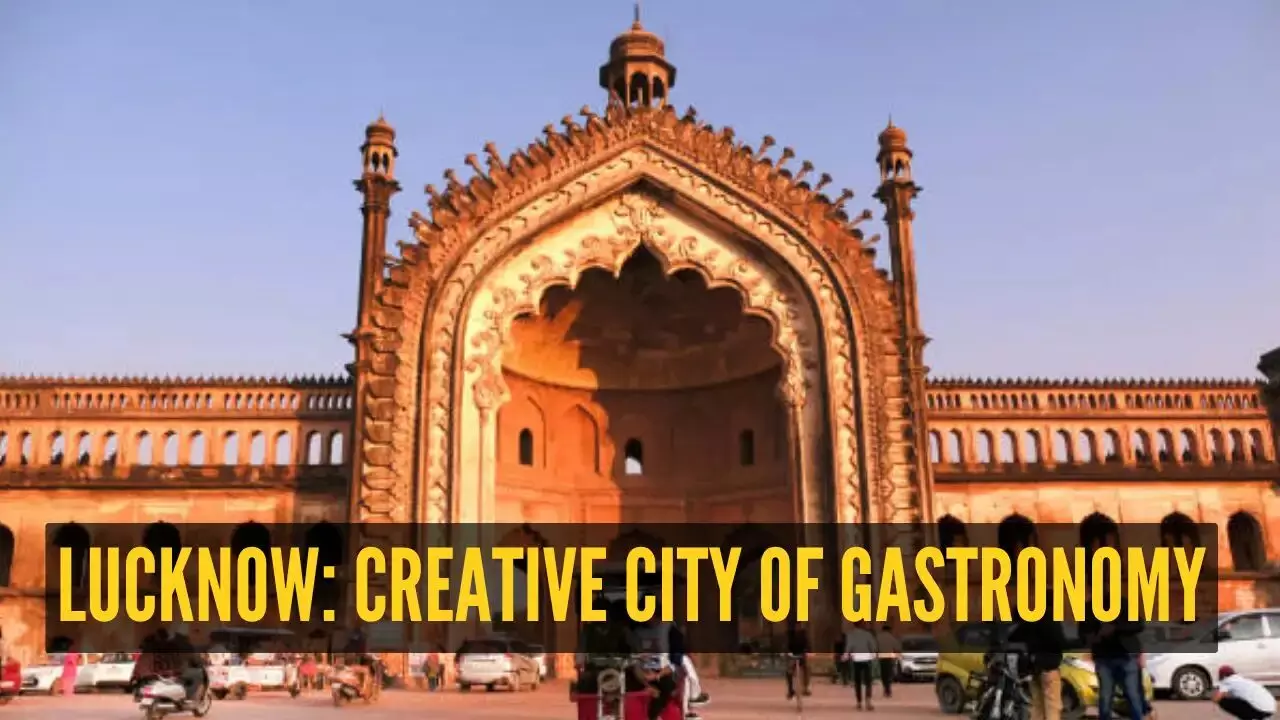
Lucknow, the ‘Creative City of Gastronomy’ (PC- Social Media)
Lucknow, the city of Nawabs has added another feather to its cap. UNESCO has officially designated Lucknow as a Creative City of Gastronomy, recognising its rich and diverse culinary heritage rooted in the centuries-old Awadhi tradition. The UNESCO made this announcement on World Cities Day, placing Lucknow alongside global food capitals such as Chengdu, Parma, and Puebla.
Lucknow becomes only the second city in India to receive this tag. The first being Hyderabad. This tag comes under UNESCO’s Creative Cities Network (UCCN).
Lucknow’s Cuisine
Lucknow’s cuisine has been a hallmark of sophistication for centuries. From the legendary Kababs to the fragrant dum biryanis, the city’s food represents the delicate fusion of Mughlai, Persian, and local influences. Non vegetarian cuisines are a culinary delight for people all over the world.
Plans are already underway to organise annual food festivals, heritage food walks, and culinary training programmes for local chefs and vendors. With this recognition, there is greater attention for preserving traditional food knowledge, heritage restaurants, old kitchen techniques, recipe archives.
A Brief History
Lucknow’s cuisine, better known worldwide as Awadhi cuisine, basically evolved under the patronage of the Nawabs of Awadh during the 18th and 19th centuries. When the Mughal Empire began to decline, many artisans, poets, and royal cooks migrated east to Lucknow, then a flourishing cultural hub under Nawab Asaf-ud-Daula. The Nawabs, known for their refined tastes and leisurely lifestyles, turned dining into an art form. Their royal kitchens became centres of experimentation where Persian, Mughlai, and local North Indian flavours merged to create a distinct culinary identity. Dishes like kebabs, kormas, nihari, sheermal, and biryani became the hallmarks of Awadhi cuisine. Over time, this royal cuisine filtered down to the streets and homes of ordinary citizens. Street food, such as chaat, kulcha, khasta, kachauri, samosa, biryani and malai makhan became regular indulgences. Each area developed its own specialties.


