TRENDING TAGS :
Final Blow Plan: U.S. Prepares Decisive Crushing Strike on Iran

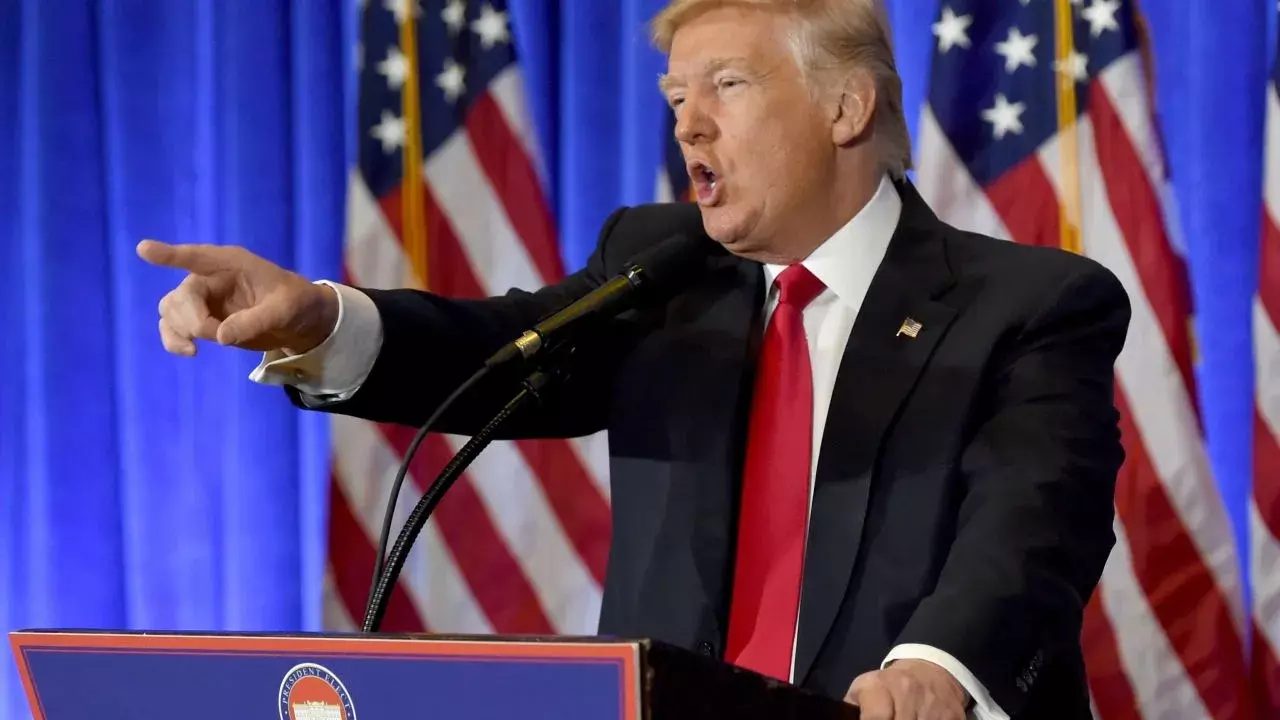
Trump (PC- Social Media)
The confrontation between the United States and Iran is rapidly approaching a decisive moment, with new reports revealing that the Pentagon is actively drafting military scenarios for a potential “final blow” against Iran that could ignite one of the most dangerous escalations in decades.
Ground Forces Possible
According to multiple sources cited by Axios, U.S. defense planners are weighing an aggressive spectrum of actions, ranging from a sweeping bombing campaign to the possible deployment of American ground forces inside Iran. The plans reflect growing frustration in Washington over stalled diplomacy and mounting concern that the window for a negotiated settlement may be closing fast.
At the center of the crisis is the strategic Strait of Hormuz, a narrow but vital artery through which a significant portion of the world’s oil supply flows. Any prolonged disruption there has already rattled global markets and U.S. officials now appear willing to consider direct military control of key chokepoints.
Eye on Kharg Island
Additional plans include capturing Abu Musa and nearby islands which are controlled by Iran but long disputed by the United Arab Emirates. This move could trigger not only Iranian retaliation but also wider regional fallout. U.S. naval forces are also reportedly examining the feasibility of intercepting or seizing Iranian oil shipments, effectively imposing a de facto maritime embargo.
Even more alarming are contingency plans for operations deep inside Iranian territory. According to the report, the Pentagon has mapped out potential ground missions aimed at securing highly enriched uranium stored at nuclear facilities, an extraordinarily high-risk undertaking that could draw the U.S. into a prolonged land war. As an alternative, officials are considering massive airstrikes designed to obliterate these sites from above, though experts warn such attacks could fail to fully eliminate the nuclear material while guaranteeing escalation.
President Donald Trump has not yet authorized any of these actions, and the White House insists that ground invasion scenarios remain hypothetical. But the rhetoric coming out of Washington is intensifying sharply. Press Secretary Karoline Leavitt delivered one of the administration’s most forceful warnings to date, declaring that the president is prepared to strike “harder than ever before” if Tehran refuses to reach an agreement.
Behind the scenes, officials believe that an overwhelming display of military force could either coerce Iran back to the negotiating table on U.S. terms or allow Washington to claim a decisive strategic victory. Critics, however, warn that such thinking underestimates Iran’s capacity for asymmetric retaliation, including missile strikes, proxy warfare, cyberattacks, and the potential closure of critical shipping lanes.
Iran has already signaled that attacks on its energy infrastructure would trigger sweeping retaliation across the Gulf, potentially dragging multiple countries into the conflict. Regional bases hosting U.S. troops, as well as allied energy installations, could become immediate targets.
The broader international response remains fractured. Countries like Turkey, Qatar, and India continue to push for urgent de-escalation, fearing catastrophic economic fallout. Meanwhile, Gulf states are quietly reinforcing defenses, bracing for the possibility that diplomacy may collapse altogether.
Despite the aggressive posturing, U.S. officials acknowledge a critical reality: Iran will ultimately play a decisive role in shaping how this conflict ends. Many of the options now under consideration, far from delivering a quick resolution, could instead ignite a broader and more sustained war across the region.