TRENDING TAGS :
Gulf Gas Field Bombings Impacts Global Energy Supply, India on Alert

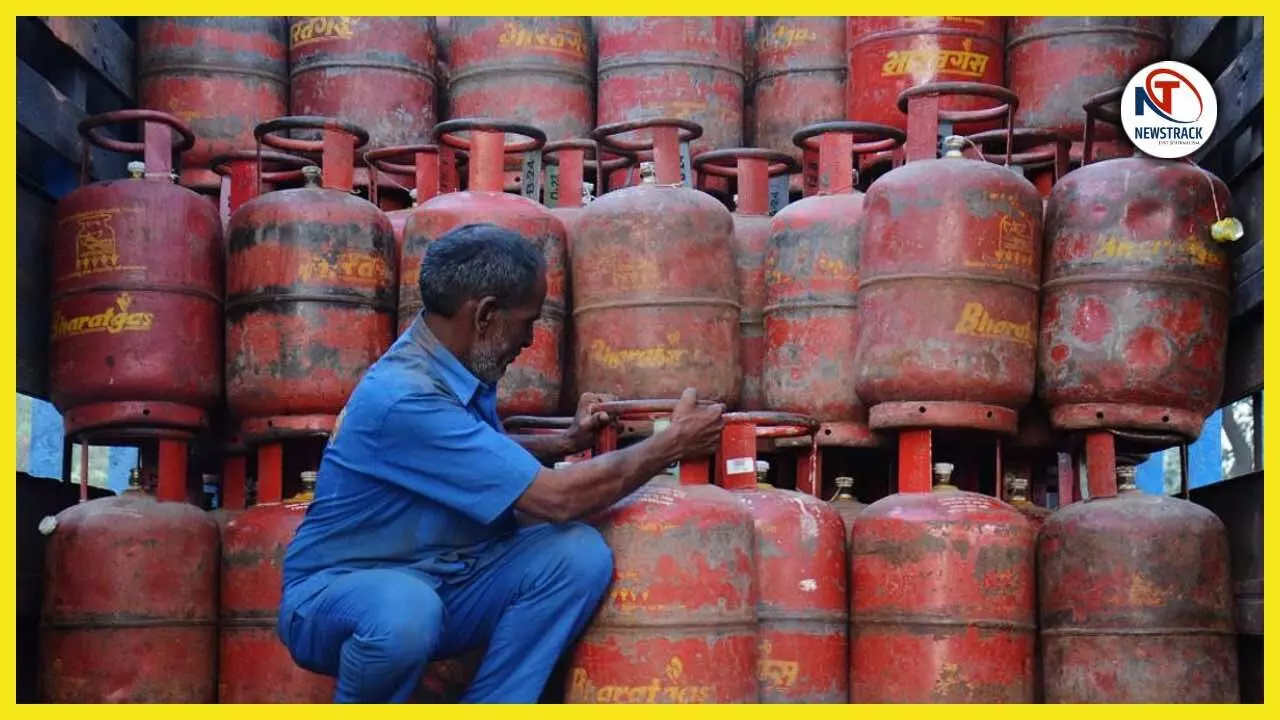
Fuel Relief Plan Government to Compensate OMCs for LPG Losses
Gulf Gas Field Bombings Impacts Global Energy Supply, India on Alert
Neel Mani Lal
Iran and Israel strikes and retaliatory attacks on some of the world’s most critical natural gas infrastructure in Iran and Qatar is now raising serious concerns for India’s LPG and LNG supplies.
The crisis began when Israeli and U.S.-backed strikes targeted Iran’s South Pars gas field the world’s largest natural gas reserve damaging key facilities and halting part of production.
In retaliation, Iran launched missile and drone attacks across the Gulf, including a direct hit on Qatar’s Ras Laffan Industrial City, the world’s largest LNG export hub. Qatar has halted LNG production, risking nearly 20% of global LNG supply.
Global Energy Impact
The attacks have disrupted not just production but also shipping routes. The Strait of Hormuz, through which about 20% of global oil and significant LNG flows, is under threat, with tanker traffic collapsing. Analysts warn of a prolonged global energy crisis if infrastructure attacks continue.
Impact on India
India, one of the world’s largest energy importers, faces immediate and medium-term risks as India imports about 20% of its natural gas from Qatar. LNG accounts for about 50% of India’s gas consumption. Indian companies have received force majeure notices due to halted Qatari supplies.
Rising global prices could lead to higher LPG cylinder prices, increased PNG/CNG rates and ostlier electricity and fertilizers.
The authorities have indicated diversification of LNG imports toward the U.S. and Australia to reduce reliance on Qatar. Plans are afoot to procure spot LNG cargoes, though at significantly higher prices.
Experts warn that if attacks continue then g lobal LNG supply could remain constrained for months resulting to energy inflation may rise sharply worldwide. The situation remains highly volatile, with fears that further escalation could deepen the crisis into one of the worst global energy disruptions since the 1970s.