TRENDING TAGS :
Hitler Propoganda Posters Spreading in Iranian Cities Spark Outrage

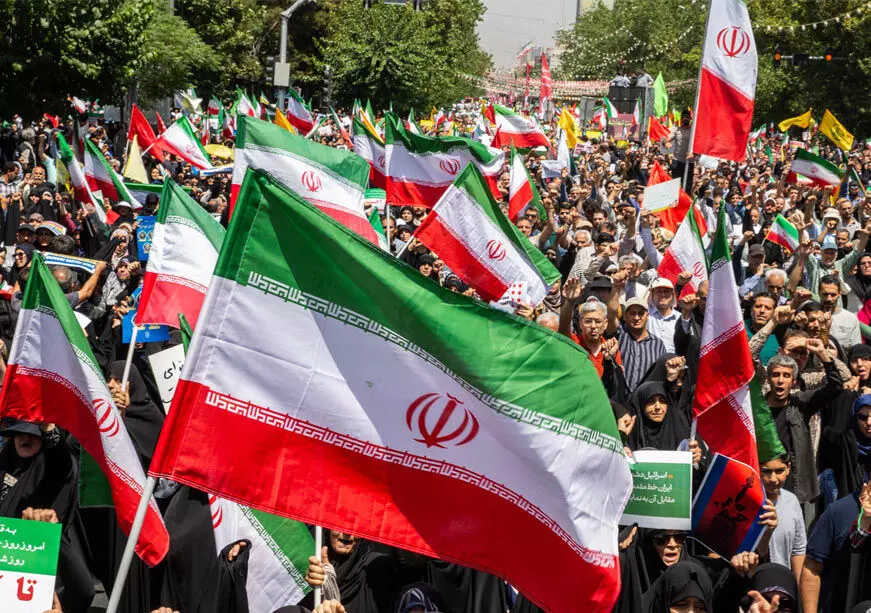
Images rapidly spreading across social media appear to show propaganda posters featuring Adolf Hitler displayed in multiple Iranian cities, igniting fierce backlash and raising questions about the Islamic Republic’s escalating internal crackdown.
According to posts shared online, the posters were allegedly photographed in cities including Babolsar and Kermanshah. They feature a Persian-language quote attributed to Hitler condemning citizens who cooperate with foreign powers, language widely interpreted as a warning to Iranians accused of espionage or dissent.
What is the message
The message in the poster reads: “The worst human beings are those who cooperated with me in the occupation of their country by a foreigner… Anyone who is happy about the occupation of his country is like someone who is happy about the violation of his mother.”
However, historians and social media users were quick to point out that there is no verified record of Hitler ever making such a statement, suggesting the quote may be fabricated for propaganda purposes.
The emergence of such imagery comes as Iran intensifies a sweeping internal security campaign, targeting individuals suspected of collaborating with foreign intelligence services. In recent months, authorities have reportedly increased arrests, surveillance, and public messaging aimed at deterring dissent.
Psychological tactic
Analysts say the use of Hitler’s image may be a calculated psychological tactic. By invoking a universally hated figure to deliver a message about “traitors,” authorities could be attempting to amplify fear and social stigma against perceived collaborators.
“This is less about historical accuracy and more about emotional impact,” one regional observer noted. “It weaponizes symbolism to frame dissent as betrayal at the most extreme level.”
The reaction online has been swift and largely critical. Many users condemned the apparent normalization of extremist imagery, while others questioned the authenticity of the posters altogether, raising the possibility of digital manipulation or disinformation.
Still, one widely circulated image has drawn particular attention: the Hitler poster appears positioned directly beneath a much larger public display of Mojtaba Khamenei, widely believed to have assumed a central leadership role in Iran’s power structure. The juxtaposition has fueled speculation about messaging coordination or about the symbolic optics of authority and intimidation.
Information War
Whether authentic or staged, the images underscore a broader reality: Iran’s internal conflict is no longer confined to arrests and courtrooms, it is also being fought in the information space. Social media has become both a battleground and a verification challenge, where propaganda, satire, and misinformation often blur.
Experts warn that in times of crisis, such imagery can spread rapidly and shape public perception regardless of its origin. “Even if these posters are fake, their virality reflects real anxieties inside Iran,” a media analyst said. “And if they are real, it signals a troubling escalation in state messaging.”