TRENDING TAGS :
Hormuz Crisis Explodes: US Tells Allies Step Up Before It’s Too Late
US urges allies to act on Hormuz crisis as global shipping faces threats. Know what it means for oil, security, and world tension.

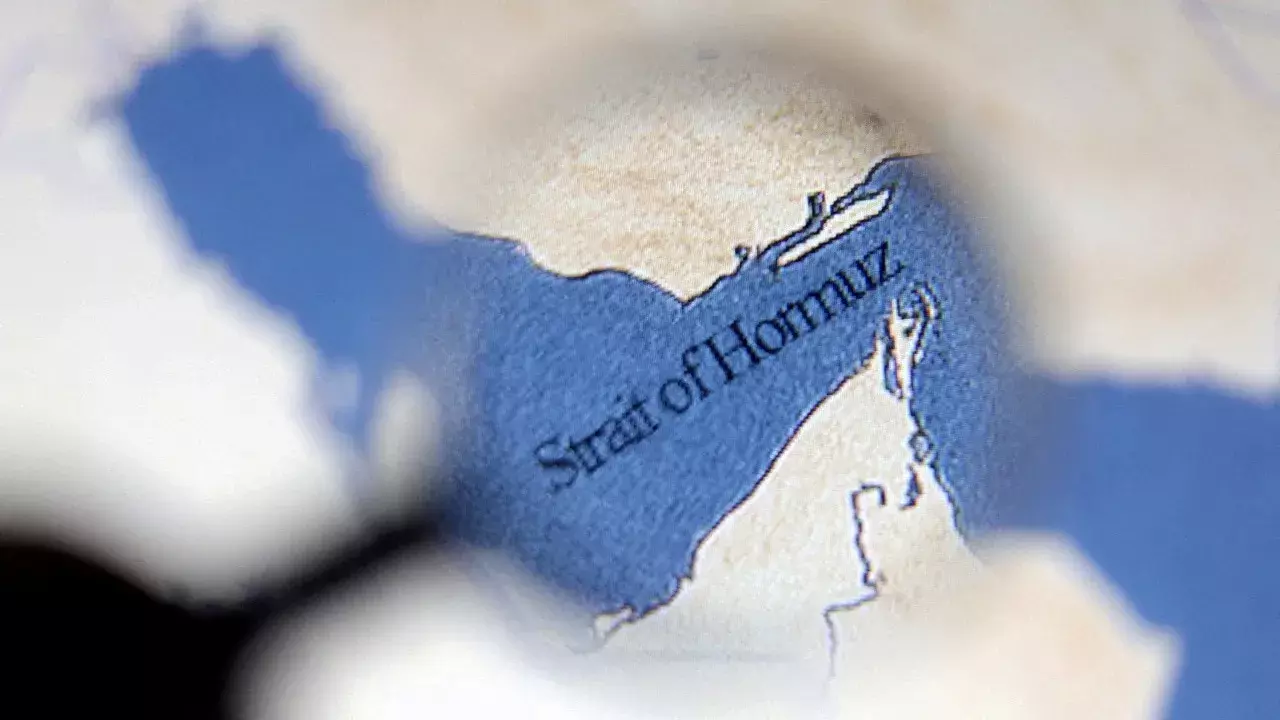
Hormuz Crisis (PC- Social Media)
The US is now pushing its allies to act fast on the Hormuz crisis, saying threats to ships in the Strait of Hormuz are serious and affect the whole world. The message is clear, this is not just America’s problem, it’s global. Oil flow, trade, and energy security all depend on this route, and any disruption can hit many countries hard.
Why the US is asking others to step in
Marco Rubio made it very clear that the burden should not fall only on the United States. According to him, many countries depend more on this route than the US itself.
He said global partners, including G7 nations, need to act because their fuel supply depends heavily on it. The idea is simple, if you benefit from the route, you should help protect it too.
This shift in tone shows a bigger change. The US is now expecting shared responsibility instead of handling everything alone, which is a big signal in global politics.
Why Strait of Hormuz matters so much
The Strait of Hormuz is one of the most important oil routes in the world. A large portion of global oil passes through this narrow stretch.
If ships face threats here, oil supply slows down. And when supply slows, prices go up everywhere, even in countries far away.
So this is not just a regional issue. It connects directly to fuel prices, transport costs, and even daily life across many nations, including India.
What exactly is the current tension
The main concern is threats to shipping. The US says such actions violate international law and create risk for global trade.
Rubio hinted that the situation could improve quickly if Iran changes its approach. That suggests the tension is still flexible, not fully out of control yet.
At the same time, there are ongoing indirect talks between the US and Iran. Messages are being passed through other countries, which shows diplomacy is still active behind the scenes.
Signs of small improvement but not stable yet
There are some early signs that oil flow is picking up again. Rubio mentioned that more energy is moving through the route now compared to before.
But he also made it clear that the situation is still unstable. Things can change quickly, and nothing is final yet.
That’s why there is caution in his tone. He didn’t want to promise anything or say the problem is solved. It’s still ongoing, still uncertain.
Global politics and pressure building up
This issue is not happening alone. It connects with other global tensions too, including the Russia-Ukraine conflict. Even though Russia is focused elsewhere, the global situation remains tense.
Rubio also spoke about Europe and how the US has been carrying a larger share in global conflicts. This again points to the idea of shared responsibility.
So overall, pressure is building on multiple sides. Countries are being pushed to act, not just watch.
What this means for everyday people
For normal people, this may sound far away, but the impact is very real. If oil supply is affected, fuel prices can rise quickly.
That means higher transport costs, expensive goods, and more pressure on daily expenses. It connects directly to inflation and economy.
So even if the crisis is happening in one region, its effects travel fast. That’s why governments are reacting seriously, because the impact spreads everywhere, not just locally.