TRENDING TAGS :
Iran War: Turkey, Pakistan Emerge as Key Players in Shadow Diplomacy
Iran War: Turkey, Pakistan Emerge as Key Players in Shadow Diplomacy

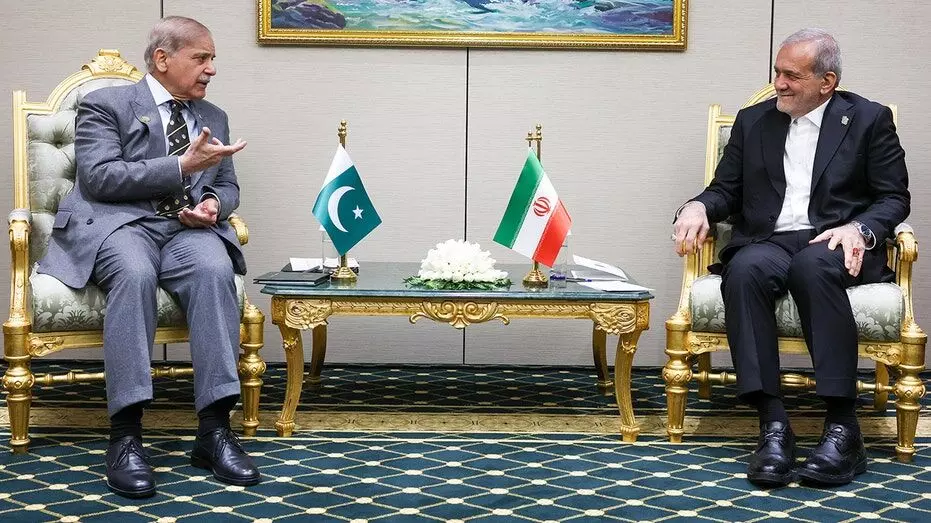
One month after coordinated airstrikes by the United States and Israel on Iran, many players have emerged to broker peace and to find a place in post war Iran.
While the initial phase of the conflict was marked by precision strikes on Iranian military and nuclear-linked infrastructure, recent weeks have seen a shift toward indirect confrontation. Iran has reportedly relied on allied militias and proxy networks across Iraq and Syria, alongside cyber operations and drone deployments, to respond without provoking full-scale war.
Diplomatic Efforts
Pakistan, Turkey, Egypt, Qatar, and India have intensified diplomatic efforts to ease tensions. These nations are not only advocating restraint but are also preparing for a potential reshaping of regional power structures.
Behind closed doors, backchannel talks are believed to be underway in Doha and Ankara, focusing on limited de-escalation measures such as maritime security guarantees in the Strait of Hormuz and informal understandings on drone activity. India, meanwhile, has increased naval vigilance in the Arabian Sea to protect vital shipping lanes, reflecting growing concern over disruptions to global trade and energy supplies.
Energy markets have already begun to react. Oil prices have shown volatility amid fears of supply disruptions, particularly if tensions spill into key transit routes. Gulf economies, heavily dependent on stable exports, are watching closely while also investing in air defense and counter-drone systems.
The United Arab Emirates has emerged as one of the more vocal actors warning about the long-term implications of Iran’s military tactics. Officials have emphasized that even a negotiated settlement may fail to address the growing use of drones and non-state actors, which could redefine conflict dynamics in the region for years to come.
At the same time, global powers beyond the immediate region, including European states and China,have quietly urged restraint, concerned about the ripple effects on global markets and supply chains. However, their involvement remains cautious and largely diplomatic.
The question of which countries might prefer the conflict to continue remains murky. Much of the discourse is driven by leaks and speculative reporting. For example, Saudi Arabia is often cited in conflicting narratives, some suggesting tacit support for sustained pressure on Iran, others pointing to its recent diplomatic thaw with Tehran as evidence of a more cautious approach. Analysts widely agree that such claims are difficult to verify and often reflect competing political agendas.