TRENDING TAGS :
Iran–US War 2026: Escalation, Global Impact and Uncertain Path to Peace

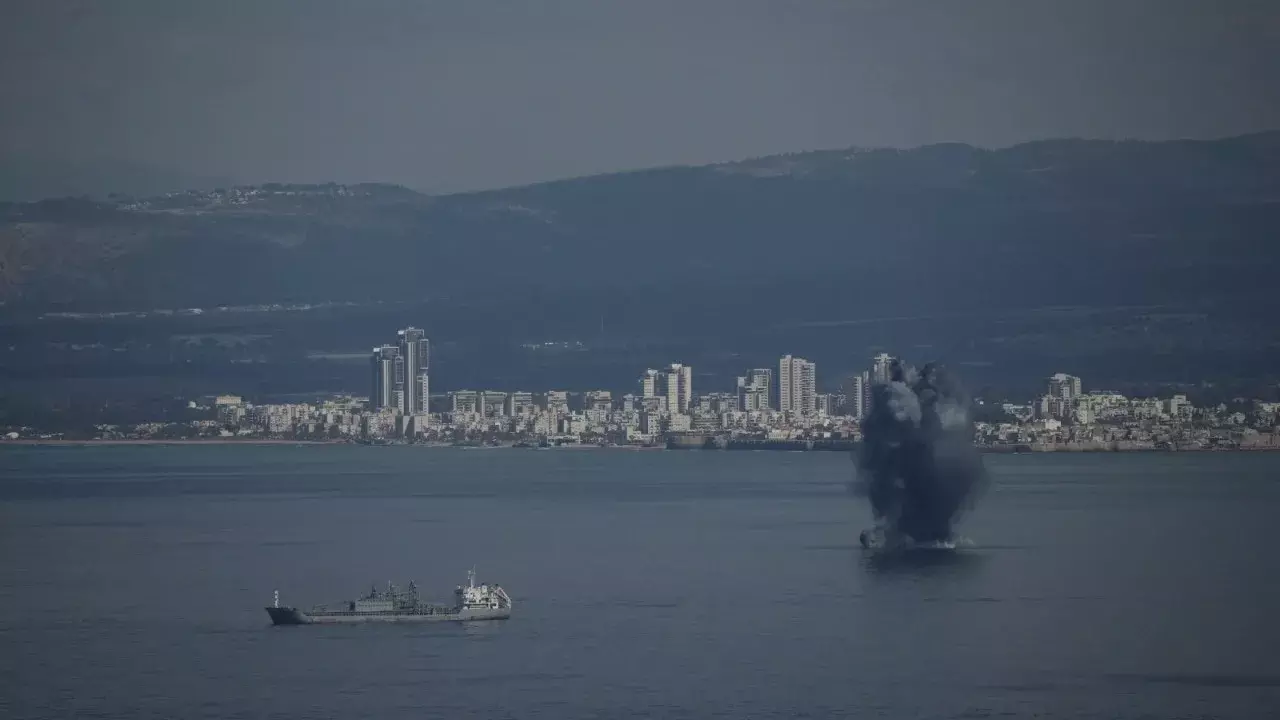
Iran water war threat (PC- Social Media)
The ongoing Iran–United States war of 2026 has entered a critical and volatile phase, with intensified military operations, rising geopolitical tensions, and growing global economic consequences. Now in its fifth week, the conflict has expanded beyond direct confrontation, drawing in regional powers and threatening global stability.
Background: How the War Began
The conflict began on February 28, 2026, when the United States, in coordination with Israel, launched large-scale airstrikes on Iranian military and nuclear-linked facilities. The strikes reportedly killed several top Iranian officials, including Supreme Leader Ali Khamenei, triggering immediate retaliation from Tehran.
Iran responded with ballistic missiles and drone attacks targeting Israel, U.S. military bases, and allied countries across the Middle East, escalating the situation into a full-scale regional conflict.
Current Situation: War Intensifies
Recent reports indicate that the U.S. and its allies have significantly degraded Iran’s military capabilities, including missile production sites and launch bases. However, Iran still retains a substantial arsenal and continues to launch attacks.
The Pentagon is now preparing for potential ground operations, signaling a possible escalation beyond air and naval warfare.
At the same time:
Iran has warned of fierce retaliation if U.S. troops enter its territory
Regional militias, including Yemen’s Houthis, have joined the conflict
Diplomatic efforts are underway, with countries like Pakistan, Saudi Arabia, and Turkey pushing for peace talks
Strategic Flashpoint: Strait of Hormuz
A key focal point of the war is the Strait of Hormuz, one of the world’s most critical oil transit routes. Iran’s actions have effectively disrupted shipping in the region, raising fears of a prolonged energy crisis.
The International Energy Agency has warned that the crisis could rival the 1970s oil shocks, with severe implications for global fuel prices and supply chains.
Global Impact
The war is already having far-reaching consequences:
Oil prices surging worldwide
Supply chain disruptions in energy and petrochemicals
Increased military deployments across the Middle East
Rising political pressure within the United States
In the U.S., the conflict is influencing domestic politics, with declining approval ratings for President Donald Trump and debates over the duration and scope of the war.