TRENDING TAGS :
Oil Prices Crash 7%: Big Relief Coming or Just a Short Break?
Crude oil prices crash up to 7% amid ceasefire hopes. What it means for India’s inflation, petrol prices, and economy explained simply.

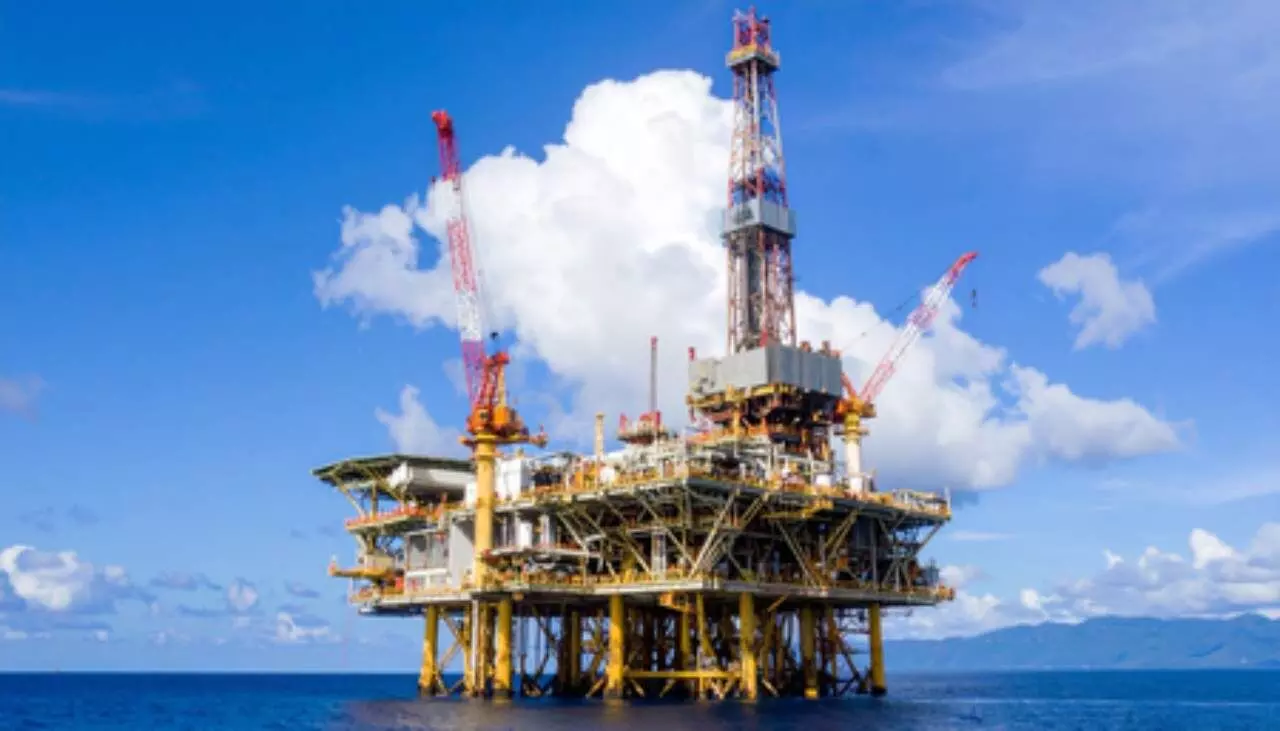
Oil prices dropped sharply, almost 7%, because people are hoping peace might come in West Asia. This fall can help India by lowering inflation and reducing pressure on fuel costs, but it may not last long. Experts still see uncertainty, so it’s relief for now, not a full solution. Things can change quick, honestly.
Why Did Oil Prices Suddenly Fall?
The biggest reason is simple. Hope of a ceasefire. When tensions reduce in oil-producing regions, supply fears also go down. And once fear drops, prices also cool off, it happens many times.
Brent crude went down to around $97 per barrel, while US oil dropped near $86. That’s quite a fall in just a short time. Markets react fast, sometimes too fast also, and this looks like one of those moments.
Earlier, oil was touching near $101. So this fall is not small. It shows how sensitive global markets are to news, especially political ones.
What It Means for India Right Now
For India, cheaper oil is always good news. We import a big chunk of our oil, so when prices fall, we save money. Simple math, less cost means less pressure on economy.
This drop can help control inflation. Petrol and diesel prices may not fall instantly, but pressure reduces. Government gets some breathing space, which is important.
Experts say every $10 change in oil can affect inflation and the current account deficit. That’s why even small changes matter a lot more than people think.
Will Petrol and Diesel Get Cheaper?
This is what everyone really wants to know. The answer is not that simple, honestly. Prices don’t fall immediately just because global oil drops.
There are taxes, transport costs, and other factors. Still, if prices stay low for some time, then yes, some relief might come. It depends how long this trend continues.
Sometimes companies wait and watch. If oil goes up again, they don’t want to reduce prices quickly. So patience is needed here.
Impact on Inflation and Daily Life
Lower oil prices can slowly bring down inflation. Transport becomes cheaper, which affects everything from vegetables to online deliveries.
You may not notice it in one day, but over time it helps. Prices stabilize. That itself is a big relief for common people.
Also, businesses feel less pressure. When fuel cost drops, operations become cheaper. That can help growth, even if small.
What Experts Are Saying Right Now
Analysts are cautious. They are not celebrating too early. Because oil markets are known for sudden reversals, nothing stays calm for long.
They say key levels matter. If oil stays above $92–$94, prices can go up again. But if it falls below $85, it can drop even more.
So basically, we are in a wait-and-watch zone. Markets are reacting to news, not long-term certainty yet.
Is This Drop Temporary or Long-Term?
Right now, it looks temporary. Because it is based on hope, not actual confirmed peace. If things change, prices can jump again quickly.
Also, global demand is still strong. Countries need oil. That demand keeps prices supported even when they fall.
So this drop feels like a short pause, not a full trend reversal. But yes, it gives some breathing time, which is important.
How It Affects Rupee and Economy
When oil prices fall, India’s import bill reduces. That helps the rupee stay stable. Less dollars go out, so currency pressure reduces.
It also helps reduce the current account deficit. That’s a big economic factor, even if people don’t talk about it much.
But again, if oil rises later, all this benefit can reverse. So stability matters more than just a temporary drop.
Global Market Reaction Is Mixed
Interestingly, US markets went down slightly, even after oil drop. That shows investors are still cautious about global risks.
But Asian markets reacted positively. Japan, South Korea, and Hong Kong saw strong gains. Markets don’t always move the same way, depends on local factors too.
Oil affects everything, but not in the same direction always. That’s what makes markets confusing sometimes.
Should You Care About Oil Prices?
Yes, more than you think. Oil affects almost everything. From food prices to travel costs to business growth.
Even if you don’t track markets daily, oil is something that directly impacts your life. Quietly, but strongly.
So when you hear oil prices falling, it’s not just news. It’s something that can slowly change your expenses too.
What Could Happen Next
If ceasefire talks turn into real peace, oil may stay low or fall further. That would be great for importing countries like India.
But if tensions rise again, prices can shoot up fast. Oil markets are very sensitive, almost unpredictable at times.
Experts still suggest a “buy on dips” view. That means they expect prices to bounce back eventually. So this calm may not last too long.
Final Thoughts That Actually Matter
Right now, oil price drop is good news. It gives relief to India’s economy, helps inflation, and supports the rupee. But it’s not permanent, not yet.
Everything depends on what happens next in global politics. That’s the real driver here, not just demand or supply.
So enjoy the relief, but don’t expect miracles. Oil markets rarely stay quiet for long, they always move again.