TRENDING TAGS :
Saudi & UAE Bypassing Hormuz, Pipelines Pumping Oil towards Red Sea

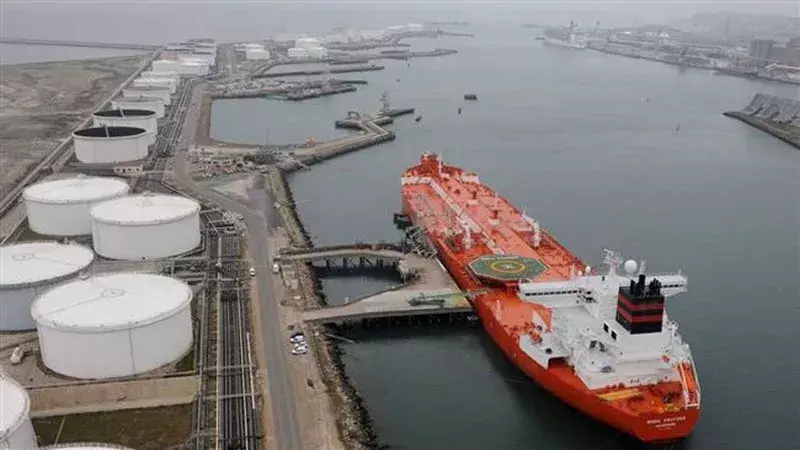
Iran Crisis Is South Korea Ready for an Oil Shock (PC- Social Media)
As Iran tightens its grip on the Strait of Hormuz, Saudi Arabia and the United Arab Emirates are executing a rapid, high stakes workaround, rerouting oil flows and directly undercutting Tehran’s attempt to weaponize the world’s most critical energy corridor. Saudi Arabia has activated its strategic backup plan, pushing massive volumes of crude through its East-West pipeline to the Red Sea. Exports from the port of Yanbu have surged dramatically, climbing to 5.9 million barrels per day, according to the International Energy Agency. Officials expect the system to reach its full 7 million barrel capacity within days.This is a strategic countermeasure. By bypassing Hormuz entirely, Saudi Arabia is proving it can keep oil moving even as the region’s primary shipping lane is threatened.
The United Arab Emirates is also moving just as aggressively. Its Habshan-Fujairah pipeline, linking inland oil fields directly to the port of Fujairah, is now operating at full capacity. Flows have reached 1.8 million barrels per day, nearly double pre-crisis levels. Fujairah, located outside the Strait of Hormuz, has quickly become a vital export hub, allowing the UAE to maintain shipments without relying on the vulnerable chokepoint.
Hormuz Losing Its Grip
For decades, the Strait of Hormuz has been the ultimate pressure point in global energy politics. This crisis is beginning to challenge that dominance. Now - Saudi Arabia is redirecting millions of barrels westward, UAE is exporting oil eastward outside the chokepoint and alternative infrastructure is being pushed to maximum capacity and the result is, Iran’s blockade is losing its value. However, these alternatives have limits. Even at full capacity, the pipelines cannot fully replace the enormous volume that normally flows through Hormuz. Supply remains tight, and markets are highly sensitive to further escalation, especially if pipeline infrastructure becomes a target.
Iran Quietly Keeps Oil Moving
Even as it restricts other nations, Iran has managed to keep its own oil flowing with surprising consistency. Exports remain steady at roughly 1.1 to 1.5 million barrels per day, close to normal levels, despite strikes and regional instability. This resilience is driven by a combination of tactics: operating tankers within Iranian-controlled waters to reduce interception risks, rapidly loading shipments at hubs like Kharg Island, and relying on a network of sanctioned or “dark fleet” vessels that continue delivering crude, primarily to China. Iran has also selectively allowed certain ships to pass through Hormuz while restricting others, effectively controlling access rather than fully shutting it down. In parallel, it is building up export flexibility by shifting some oil toward terminals outside the Iran mainland, ensuring flows continue even if the chokepoint tightens further.