TRENDING TAGS :
South Korea’s Martial Law Probe Result Is About to Shake Politics Again
South Korea’s special counsel is set to reveal findings on ex-President Yoon’s martial law bid, a case that shook politics, power and democracy.
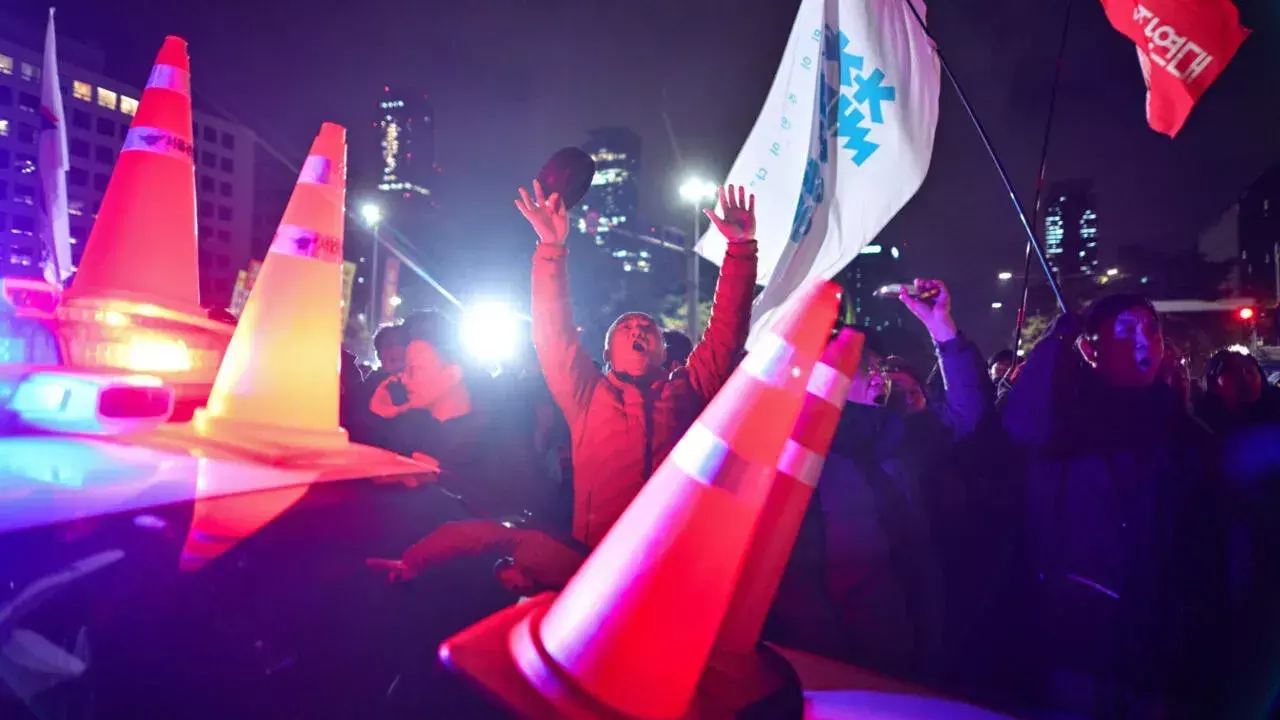
South Korea (PC- Social Media)
South Korea is about to hear the final truth behind former President Yoon Suk Yeol’s failed martial law attempt, as a special counsel prepares to announce probe results this week. The six month investigation has already led to arrests, indictments and deep questions about power misuse. What comes next could reshape trust in leadership for years. This is not just a legal update, it is a test of democracy itself.
Why This Investigation Matters More Than It Seems
When martial law was briefly imposed in December 2024, many South Koreans were stunned. The move felt sudden and extreme. Over time, it began to look planned, not reactive. The special counsel team spent months digging into who knew what, and who ordered what. Twenty three people, including top officials, were indicted. This alone shows the scale of the issue, and why the final report matters so much.
What The Special Counsel Found Over Six Long Months
The probe team worked closely with military prosecutors. They pushed for arrest warrants in eleven cases. Courts approved five. Former Defence Minister Kim Yong-hyun was indicted within days of the probe starting. Yoon himself was taken into custody in July. These steps made it clear that investigators were confident about evidence, not guessing or rushing.
The Most Serious Charges Against Yoon Suk Yeol
Yoon was already facing insurrection charges. But the special counsel added more weight. He was accused of aiding the enemy, linked to orders for drone dispatches to North Korea months before martial law. Investigators believe this was meant to trigger retaliation. That retaliation could then justify emergency rule. Abuse of power charges followed, making the case even heavier.
Other Powerful Names Caught In The Case
This case did not stop at one man. Former Interior and Safety Minister Lee Sang-min was indicted for allegedly ordering power and water cuts to media houses. The former intelligence chief Cho Tae-yong was arrested for breaking intelligence laws. These arrests shocked many, because such officials are rarely touched so directly.
Why Some Arrest Warrants Were Rejected
Not everyone accused was arrested. Courts rejected warrants for a former prime minister, a ruling party leader and a former justice minister. This shows the legal system is weighing evidence carefully, not blindly approving everything. It also keeps public debate alive, because questions remain around accountability at the top.
What Happens After The Announcement
Special counsel Cho Eun-seok will make his first public briefing since June. South Koreans are watching closely. The findings could influence trials, future reforms, and even how emergency powers are defined. For many citizens, this moment is about restoring faith, not revenge.
A Turning Point For South Korea’s Democracy
This case is bigger than one presidency. It highlights how fragile power can become if checks fail. The final report will not close the chapter instantly. But it may mark the point where South Korea decides how strongly it protects democratic values, even when leaders cross lines.