TRENDING TAGS :
Trump’s 48-Hour Ultimatum to Iran: What Happens If They Don’t Open Hormuz?
Trump warns Iran to reopen Strait of Hormuz in 48 hours or face strikes. Know what it means for global oil, war, and world tensions.

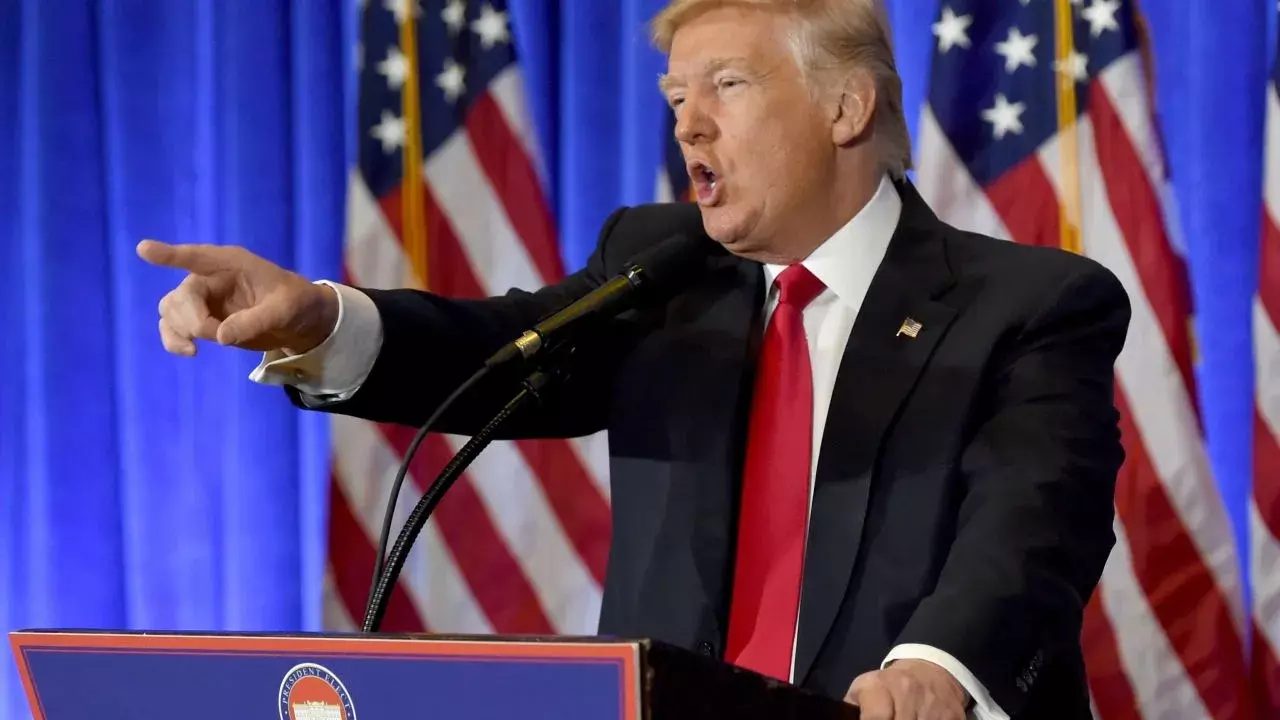
Trump (PC- Social Media)
The situation is very serious right now. Donald Trump has warned Iran to reopen the Strait of Hormuz within 48 hours or the US may attack power plants. This is not just a small warning, it can impact oil supply, global economy, and even lead to bigger conflict. The world is watching closely, because one wrong move here can change everything fast.
Why Strait Of Hormuz Matters So Much
The Strait of Hormuz is not just a water route, it is like the heart of global oil supply. A huge amount of the world’s oil passes through this narrow path every single day. If it gets blocked, fuel prices everywhere can shoot up very quickly.
Countries like Japan, China, and many European nations depend on this route heavily. Even India gets a big portion of oil through this path. So when something happens here, it is not just a regional issue, it becomes global problem instantly.
That’s why Trump’s warning is making headlines everywhere. Because reopening this route is not optional, it is almost necessary for world stability.
What Exactly Trump Said
Donald Trump made a very direct statement on his social platform. He said if Iran does not fully reopen the Strait within 48 hours, the US will strike Iranian power plants. He even mentioned starting with the biggest one first, which shows how serious the tone was.
He also made it clear that the US is not looking for a ceasefire right now. That line surprised many people. Usually, leaders talk about peace during conflict, but here the message felt different.
Trump also pushed other countries to step in. He said the US does not depend much on the Strait, but others do, so they should take responsibility too.
Why Iran Closed Or Restricted The Route
The tension did not start suddenly. It is part of a bigger conflict happening in the Middle East. Iran has been involved in rising tensions, and blocking or restricting shipping routes is often used as pressure tactic.
By controlling the Strait, Iran gets a strong position. It can influence global oil prices and put pressure on countries that rely on that supply. This is why the situation becomes complicated very fast.
Also, military actions and responses have increased recently. So the move around Hormuz is seen as part of that larger strategy, not just a random decision.
What Could Happen Next
If Iran does not reopen the Strait, things may escalate quickly. The US has already hinted at military action. And targeting power plants means hitting critical infrastructure, which can worsen the situation.
If that happens, oil supply can get disturbed badly. Prices can rise globally. Transport costs go up, and everything becomes expensive slowly. You may feel it even while filling petrol in your city.
There is also a risk of wider conflict. Other countries might get involved, especially those who depend on this route. That can make things even more tense.
Global Reaction And Pressure
Many countries are already feeling the pressure. Europe, Japan, and South Korea are being asked to step up. Even Australia and Indo-Pacific nations were mentioned in discussions.
At the same time, there are calls for de-escalation. Many leaders want talks instead of strikes. Because once military action starts, controlling it becomes very hard.
NATO was also mentioned by Trump, saying they have not acted strongly yet. That adds another layer to the situation, as alliances may start shifting based on decisions taken now.
Impact On Common People
You might think this is all political, but it actually affects daily life too. If oil supply is hit, fuel prices go up. That increases transport cost, which then increases price of goods.
So groceries, travel, everything becomes expensive slowly. It may not happen in one day, but the effect builds up. This is why such global events matter even if they feel far away.
Also, uncertainty in global markets can affect jobs, businesses, and investments. So yeah, it reaches people in ways they don’t expect.
Is There Still A Chance To Avoid Conflict
Yes, there is still a chance. These situations often look very close to conflict, but talks can still happen. Countries usually try to avoid full-scale war because the cost is too high.
Iran may respond in its own way, or negotiations might begin quietly. Sometimes what is said publicly is very strong, but behind the scenes, discussions continue.
The next 48 hours are very important. Decisions taken in this time can decide whether things calm down or move towards something bigger.
Why Everyone Is Watching This Closely
This is not just about two countries. It is about global balance. Oil, economy, military, alliances, everything is connected here.
When something happens in the Strait of Hormuz, the whole world feels it. That’s why this warning is not being taken lightly anywhere.
Right now, it feels like a tense pause. Everyone waiting, watching, thinking what comes next. And honestly, nobody really wants it to go wrong, but it still might if things don’t change fast.