
TRENDING TAGS :
U.S. City Rejects Data Center: Blow to Big Tech Expansion

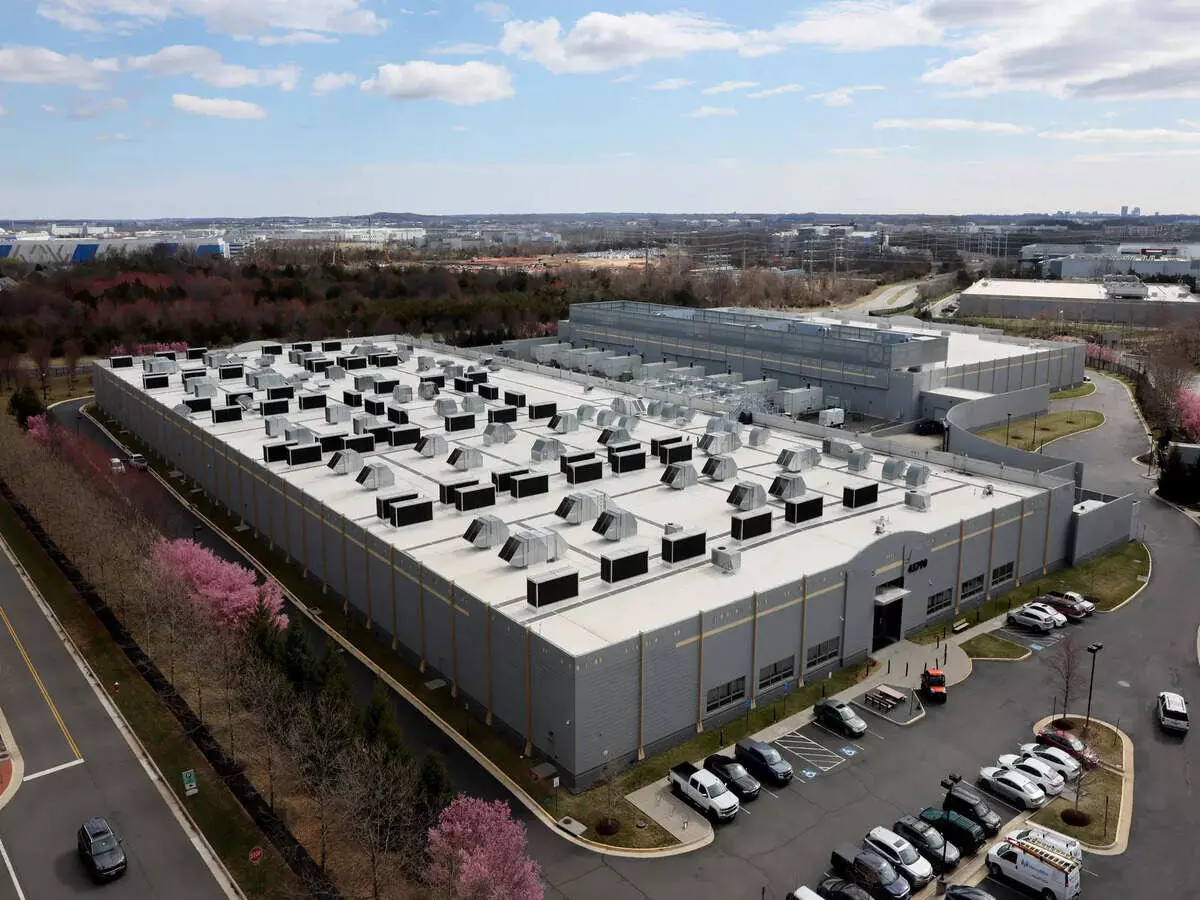
In a decision that underscores growing local resistance to the rapid expansion of digital infrastructure, a city in the United States voted to block the construction of a proposed data center and instead require a public park on the 22-acre redevelopment site.This happened in the New Brunswick City Council of the New Jersey.
The vote removes data centers as a permitted use on the parcel, located along Jersey Avenue between Sandford Street and Mitchell Avenue, a move hailed by environmental advocates as a landmark community victory. The rejected proposal called for a 27,000-square-foot facility. While modest compared with hyperscale campuses built by tech giants, the plan triggered fierce pushback from residents concerned about energy consumption, water use, noise and long-term environmental impact.
Why Communities Are Pushing Back
Data centers are the warehouse type facilities that power cloud computing, AI systems, streaming services and financial markets. They have become essential infrastructure in the digital economy. Yet across the United States, they are increasingly meeting resistance.
Critics argue that data centers: consume enormous electricity thus straining local grids, use significant water resources for cooling, generate constant mechanical noise from cooling systems, offer limited permanent jobs compared to the land they occupy and often receive generous tax incentives.
In densely populated areas like the New York state region, land is especially valuable. Residents in New Brunswick argued that dedicating a prime redevelopment tract to digital infrastructure would displace opportunities for public green space, housing or mixed-use development. Environmental advocacy group Climate Revolution NJ helped coordinate opposition. A video of the council’s decision posted by the group surpassed 300,000 likes within 24 hours.
More than a Dozen Proposals Rejected
Across the U.S., local governments are reassessing data center proposals. In 2024 and 2025, several counties in northern Virginia which is the nation’s largest data center hub, delayed or denied rezoning requests amid power and land-use concerns. Municipalities in Arizona and Colorado have imposed new restrictions or moratoriums over water usage fears. In parts of rural Georgia and Indiana, proposed facilities have been scaled back or withdrawn following community opposition. According to tracking by regional planning boards and media reports, more than a dozen significant data center proposals nationwide have been rejected, delayed, or materially altered since 2023.
The New York tri-state area remains one of the most concentrated data center markets in the country due to proximity to financial institutions and subsea cable landing points. But that growth is increasingly colliding with local zoning politics.
Part of the tension stems from the explosive rise of artificial intelligence and cloud computing. Analysts estimate that data center electricity demand in the U.S. could double within the next five years, driven largely by AI workloads. New Jersey, which has aggressive clean energy targets, faces pressure to expand renewable generation while managing rising grid demand. Residents in New Brunswick raised concerns about whether a new facility would increase fossil fuel reliance or delay local decarbonization goals.Utility infrastructure upgrades often necessary for new data centers can also shift costs to ratepayers, another flashpoint in public hearings.
Symbolic Vote in the AI Era
The decision comes as tech companies accelerate construction of AI-ready facilities nationwide. Investors and private equity firms have poured billions into digital infrastructure, betting on surging data demand. Yet the New Brunswick vote highlights a shift: digital growth no longer guarantees automatic local approval.
The amended redevelopment plan now requires the construction of a park on the Jersey-Sandford site. City officials have not yet released a timeline or design proposal. Developers could return with alternative plans for other parcels, but Wednesday’s vote sends a clear message: in some communities, the future of land use will be decided as much by environmental values and public space as by the demands of the digital economy. As AI drives unprecedented demand for computing power, cities across America may soon face similar choices between parks and processors, green space and gigawatts.


