TRENDING TAGS :
US-Israel-Iran War Escalates: Oil Crisis Fears and Middle East Tensions Rise
US-Israel-Iran war has entered a dangerous third week in March 2026. Missile strikes, oil supply fears, and rising tensions in the Middle East are pushing the world toward uncertainty.

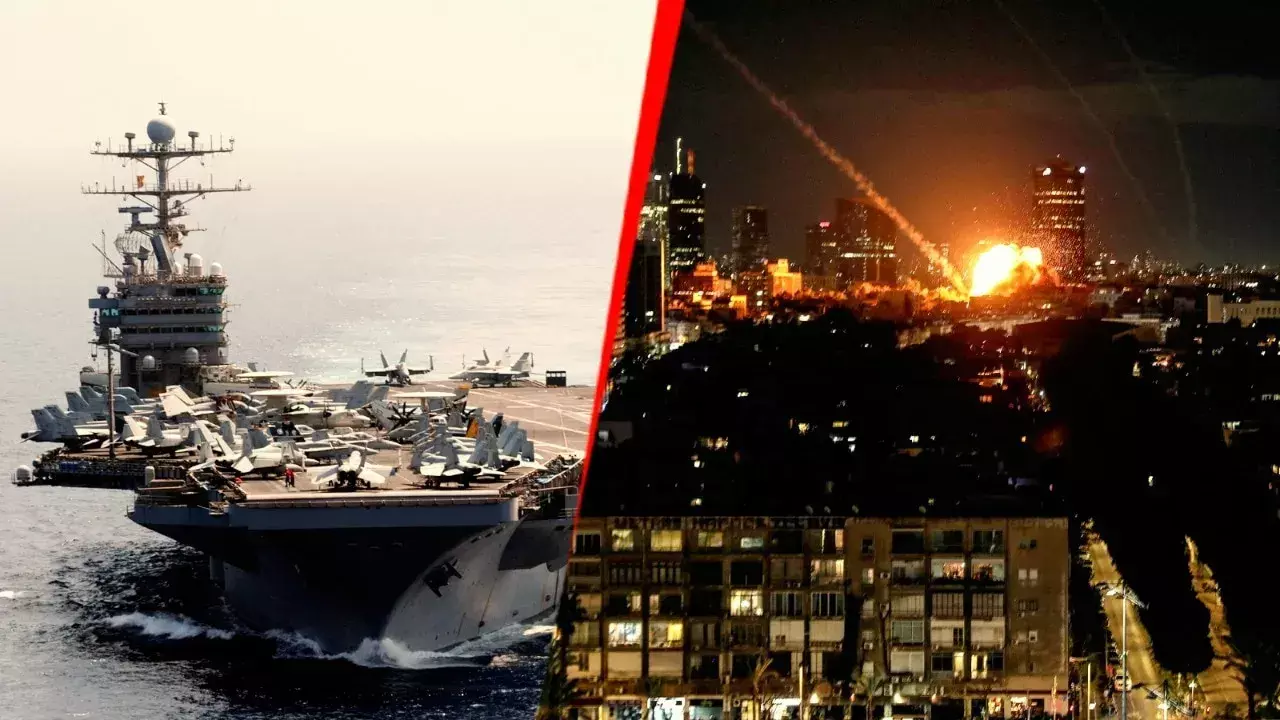
US-Israel Strike Iran (PC- Social Media)
The conflict between the United States, Israel, and Iran has now entered its third week, and things are getting more serious each day. Military strikes, threats around oil routes, and attacks near diplomatic areas are raising global tension fast. The war is not only about weapons now, it is also about energy supply, trade routes, and political control in the Middle East.
Many experts are worried because the fighting is happening close to one of the world’s most important oil routes. If that route gets blocked, fuel prices across the world could shoot up very quickly.
What Triggered The Latest Escalation
The latest spike in tension came after the United States carried out strikes on Kharg Island, which is Iran’s main oil export terminal. According to statements from US officials, military storage areas and missile bunkers were targeted during the operation.
The announcement came from US President Donald Trump, who said American forces had destroyed important military sites connected with Iran’s oil infrastructure. At the same time, he claimed that certain energy facilities were not attacked intentionally.
Iran, however, responded strongly. Iranian officials said their oil operations are still functioning and warned that any attempt to interfere with their control over the Strait of Hormuz could trigger a wider conflict.
Why The Strait Of Hormuz Matters So Much
The Strait of Hormuz is one of the most important energy routes in the world. Nearly one-fifth of global oil passes through this narrow sea lane every single day. If it gets disrupted even for a few days, the impact on oil markets could be huge.
Right now shipping traffic has already slowed down in some areas due to security fears. Energy analysts say this is exactly why global markets are watching the conflict very closely.
Many countries depend heavily on oil coming from the Gulf region. Any military tension near this route makes governments nervous because fuel prices can jump overnight.
Missile Strike Near US Embassy In Baghdad
Another worrying incident happened in Iraq’s capital, Baghdad. A missile struck a helipad inside the large US Embassy compound. No casualties were reported immediately, but the attack increased fears that the conflict is spreading beyond Iran’s borders.
American officials believe groups aligned with Iran might be responsible for the strike. While no group officially claimed it yet, Washington has blamed Iran-linked militias operating in the region.
Security across diplomatic zones in the Middle East has now been tightened. Governments are trying to prevent further attacks on foreign missions.
Drone Debris Hits Oil Facility In UAE
In another development, debris from an intercepted Iranian drone struck an oil facility in the United Arab Emirates. Smoke was seen rising from the site after the incident, although the damage appears limited so far.
This event has made regional governments extremely cautious. The UAE is an important energy hub and any damage to oil facilities there could disrupt global supply chains.
Iran has also issued warnings to certain Gulf ports, accusing them of allowing military operations from their territory. That statement alone has added new uncertainty to the already tense situation.
Massive Military Build-Up In The Region
The United States has increased its military presence in the Middle East. Thousands of additional Marines are being deployed, and a major amphibious assault ship is also heading toward the region.
Military analysts say this is one of the largest American naval deployments in years. The goal is to secure key shipping routes and protect allied countries in the Gulf.
At the same time, Israeli airstrikes targeting Hezbollah positions in Lebanon are continuing. These attacks have already displaced hundreds of thousands of people, making the humanitarian situation more complicated.
Global Concerns Over Oil And Stability
The biggest worry for many countries right now is oil supply. Markets react quickly whenever fighting happens in the Gulf region. Even small disruptions can create price shocks across the world.
Governments are also concerned about trade routes, shipping safety, and diplomatic stability. If the conflict expands further, it could affect not just the Middle East but global economic conditions too.
For now, the world is watching carefully. Diplomatic talks are still being discussed quietly, but there is no clear sign yet that the fighting will stop soon. The situation remains tense, unpredictable, and moving very fast.