TRENDING TAGS :
US Slashes Tariffs on Bangladesh Textiles: Big Relief for Garment Exports
The US cuts tariffs on Bangladesh textile exports to 19%, offers zero-duty access on select garments, boosting trade, jobs, and export growth.

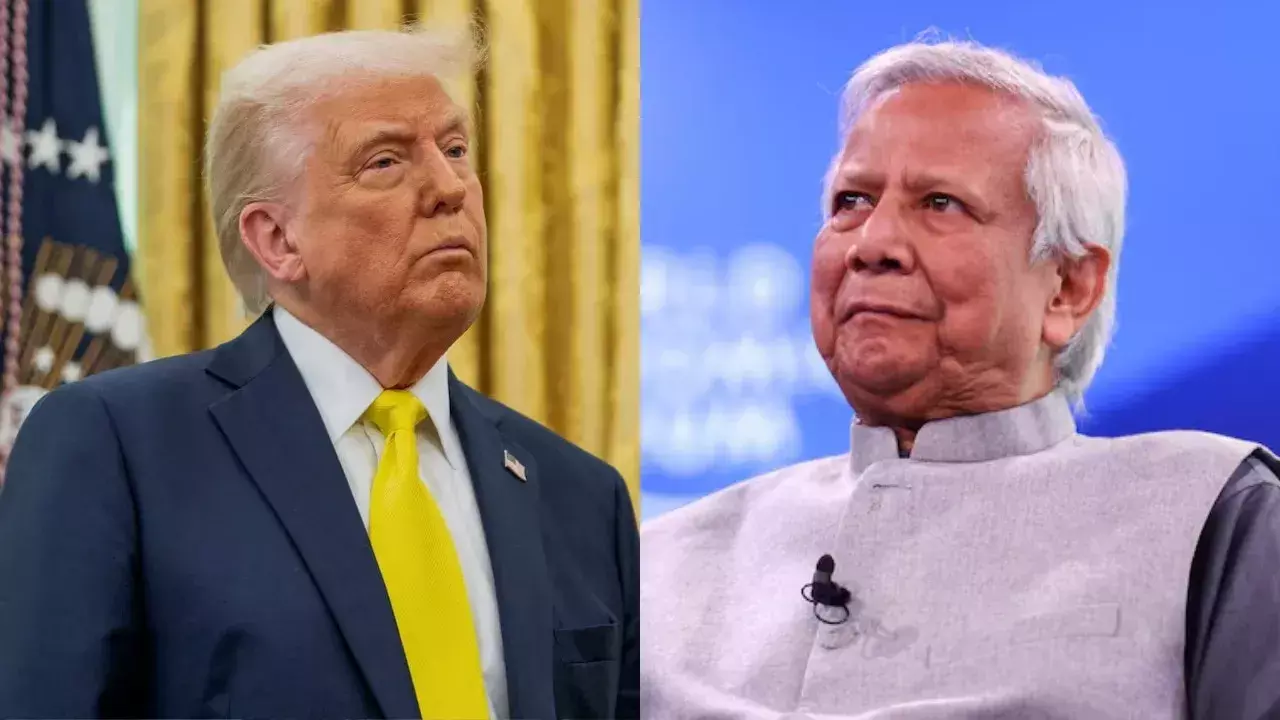
US Slashes Tariffs on Bangladesh Textiles (PC- Social Media)
The US has reduced tariffs on Bangladeshi textile and garment exports to 19 percent and allowed zero-duty access for selected products, giving major relief to Bangladesh’s export-driven economy. The decision cuts earlier high tariffs, improves global competitiveness, and strengthens US–Bangladesh trade ties. This move is especially crucial for the ready-made garment sector, which drives jobs and foreign earnings.
What the Tariff Cut Really Means
The new tariff rate of 19 percent replaces the earlier 37 percent that once put heavy pressure on Bangladeshi exporters. That rate had already been lowered to 20 percent in August 2025, and now it comes down further. For exporters, even a one percent drop matters, margins in garments are thin and buyers are sensitive.
More importantly, some textile and apparel goods made using US cotton and man-made fibre will now enter the US market with zero reciprocal duty. This is the real game changer. It directly rewards sourcing from the US and lowers costs for manufacturers.
Why the US Took This Step
After nine months of negotiations, Washington and Dhaka reached common ground. The US wants stronger supply chain links and higher exports of its raw materials. Bangladesh wants stable market access for its garments. The deal balances both goals, and timing also played a role.
The US remains Bangladesh’s largest export market. Cutting tariffs keeps Bangladeshi factories competitive against Vietnam, Pakistan, Cambodia, and Indonesia, many of which now face similar or higher tariff levels.
Boost for Bangladesh’s Garment Industry
Ready-made garments are the backbone of Bangladesh’s economy. Cotton and synthetic apparel bring in most export dollars and employ millions. With zero-duty access on select products, buyers may shift more orders to Bangladesh.
Lower tariffs also mean factories can offer better prices without squeezing workers or quality. That matters at a time when global apparel demand remains cautious and brands are cost-focused.
What Bangladesh Offered in Return
Trade works both ways. Bangladesh agreed to import US wheat, soybean, and LNG at zero tariff. This helps diversify energy and food imports while keeping costs stable.
The country has also agreed to purchase 25 Boeing aircraft, a deal estimated between Tk 30,000 to 35,000 crore. These moves were clearly part of easing trade pressure and building trust with Washington.
Political Timing Adds Weight
The tariff cut comes just days before Bangladesh’s national elections on February 12. The interim government led by Muhammad Yunus has been under pressure to stabilise the economy after months of political unrest.
A positive trade announcement boosts confidence among businesses, exporters, and voters. It also signals that Bangladesh remains economically relevant despite political transitions.
How It Compares With Other Countries
Vietnam faces a 20 percent reciprocal tariff, while Pakistan, Cambodia, and Indonesia are also at 19 percent. This places Bangladesh on equal footing with key competitors, not above them, but no longer at a disadvantage.
India recently saw its tariffs cut sharply too, showing a broader US push to reset trade terms in South Asia under stricter reciprocity rules.
What Happens Next
Exporters will now focus on sourcing more US cotton and fibres to qualify for zero-duty benefits. Buyers may renegotiate contracts. Shipping volumes could rise over the next quarters.
For Bangladesh, the challenge is to maintain compliance, labour standards, and delivery speed. For the US, the focus stays on supply chain security and market access.
This tariff cut is not just a number change. It is a signal. Trade ties are warming, and textiles sit right at the center of that story.